

Best Serums for Aging Skin: Top Picks for Wrinkle Reduction, Hydration, and Firmness
As our skin ages, it begins to lose its elasticity, moisture, and youthful glow. Fine lines, wrinkles, and sagging skin start to appear, leading many of us to seek products that can turn back the clock. While there are many treatments available, one of the most effective ways to combat signs of aging is by incorporating a serum into your skincare routine. But with so many options on the market, how do you choose the best serum for aging skin? In this article, we’ll dive deep into the top anti-aging serums, key ingredients, and tips on how to get the most out of these potent formulas.
Why Serums are Essential for Aging Skin

Serums are lightweight and also fast-absorbing liquids that deliver concentrated active ingredients penetrating your skin. Unlike moisturizers, which tend to focus more on hydration and forming a protective barrier, serums have smaller molecules that penetrate the skin’s surface and target specific concerns. This makes them an excellent choice for addressing the key signs of aging.
Aging skin requires products that are more than just hydrating. It needs active ingredients that can boost collagen production, improve skin texture, reduce wrinkles, and even improve skin tone. This is where anti-aging serums shine. They’re formulated with high concentrations of ingredients like retinol, vitamin C, and hyaluronic acid, which can significantly improve the appearance and health of aging skin.
Key Ingredients to Look for in Anti-Aging Serums
When searching for the best serum for aging skin, it's important to look for certain ingredients that are scientifically proven to address common aging concerns. Here are the top ingredients to prioritize:
Hyaluronic Acid
This powerful humectant attracts and retains moisture, making it one of the best ingredients for plumping the skin and reducing the appearance of fine lines. As we age, our skin loses its ability to hold water, leading to dryness and sagging. Hyaluronic acid helps restore hydration and improve skin texture.
Retinol
Retinol, a derivative of vitamin A, is widely considered the gold standard for anti-aging ingredients. Its main goal is to stimulate collagen production, accelerate cell turnover, and reduce the appearance of wrinkles, dark spots, and fine lines. However, retinol can irritate some skin types, so it’s best to start with a lower concentration and gradually increase usage.
Vitamin C
A powerful antioxidant, vitamin C helps brighten the skin and combat free radical damage caused by environmental factors like pollution and UV radiation. It also promotes collagen production, reduces hyperpigmentation, and improves skin tone. Look for serums with stabilized vitamin C (like sodium ascorbyl phosphate) for maximum potency.
Peptides
Peptides are short chains of amino acids that act as building blocks for proteins like collagen and elastin. As we age, our skin produces less collagen, leading to wrinkles and loss of firmness. Peptides signal the skin to produce more collagen, making them essential for maintaining a youthful appearance.
Niacinamide
Also known as vitamin B3, niacinamide is a versatile ingredient that offers multiple benefits. It helps reduce redness, improves skin elasticity, strengthens the skin barrier, and minimizes the appearance of pores. It’s also great for reducing the impact of environmental damage, making it a great addition to anti-aging serums.
Ceramides
Ceramides are lipids (fats) that make up the skin barrier and help retain moisture. As we age, our skin’s ceramide levels decrease, leading to dryness and a compromised skin barrier. Using serums with ceramides helps restore moisture and protect the skin from environmental stressors.
Coenzyme Q10
An antioxidant that naturally occurs in the body, Coenzyme Q10 (or CoQ10) helps neutralize free radicals and promote skin repair. It helps protect the skin from oxidative stress, which can cause premature aging.
Top 10 Best Serums for Aging Skin
With so many serums on the market, it can be overwhelming to choose the right one. Here’s a list of the top 10 best serums for aging skin, each selected for its powerful ingredients and proven results.
SkinCeuticals C E Ferulic
-
Key Benefits: Antioxidant-rich formula that brightens skin and reduces fine lines.
-
Main Ingredients: Vitamin C (L-ascorbic acid), Vitamin E, Ferulic Acid.
-
Ideal Skin Type: All skin types, particularly those with sun damage.
-
Why It’s Effective: Combines antioxidants to fight free radicals and improve overall skin tone and texture.
The Ordinary Buffet + Copper Peptides
-
Key Benefits: Boosts skin elasticity and firmness.
-
Main Ingredients: Peptides, Hyaluronic Acid, Amino Acids.
-
Ideal Skin Type: All skin types.
-
Why It’s Effective: Targets multiple signs of aging with a blend of peptides and hydration-boosting ingredients.
Drunk Elephant T.L.C. Framboos Glycolic Night Serum
-
Key Benefits: Exfoliates and brightens the skin while you sleep.
-
Main Ingredients: Glycolic Acid, Salicylic Acid, Raspberry Extract.
-
Ideal Skin Type: Combination, oily, or dull skin.
-
Why It’s Effective: Encourages cell turnover and clears congested pores, resulting in smoother, more radiant skin.
Sunday Riley A+ High-Dose Retinoid Serum
-
Key Benefits: Reduces the appearance of fine lines and wrinkles.
-
Main Ingredients: Retinoid blend, CoQ10, Honey.
-
Ideal Skin Type: All skin types, especially those looking for anti-aging effects without irritation.
-
Why It’s Effective: Offers a potent yet gentle retinoid formula that delivers visible results without excessive dryness.
Estée Lauder Advanced Night Repair
-
Key Benefits: Hydrates and repairs skin overnight.
-
Main Ingredients: Hyaluronic Acid, Peptides, Antioxidants.
-
Ideal Skin Type: All skin types.
-
Why It’s Effective: This cult-favorite serum enhances skin’s natural renewal process and provides deep hydration.
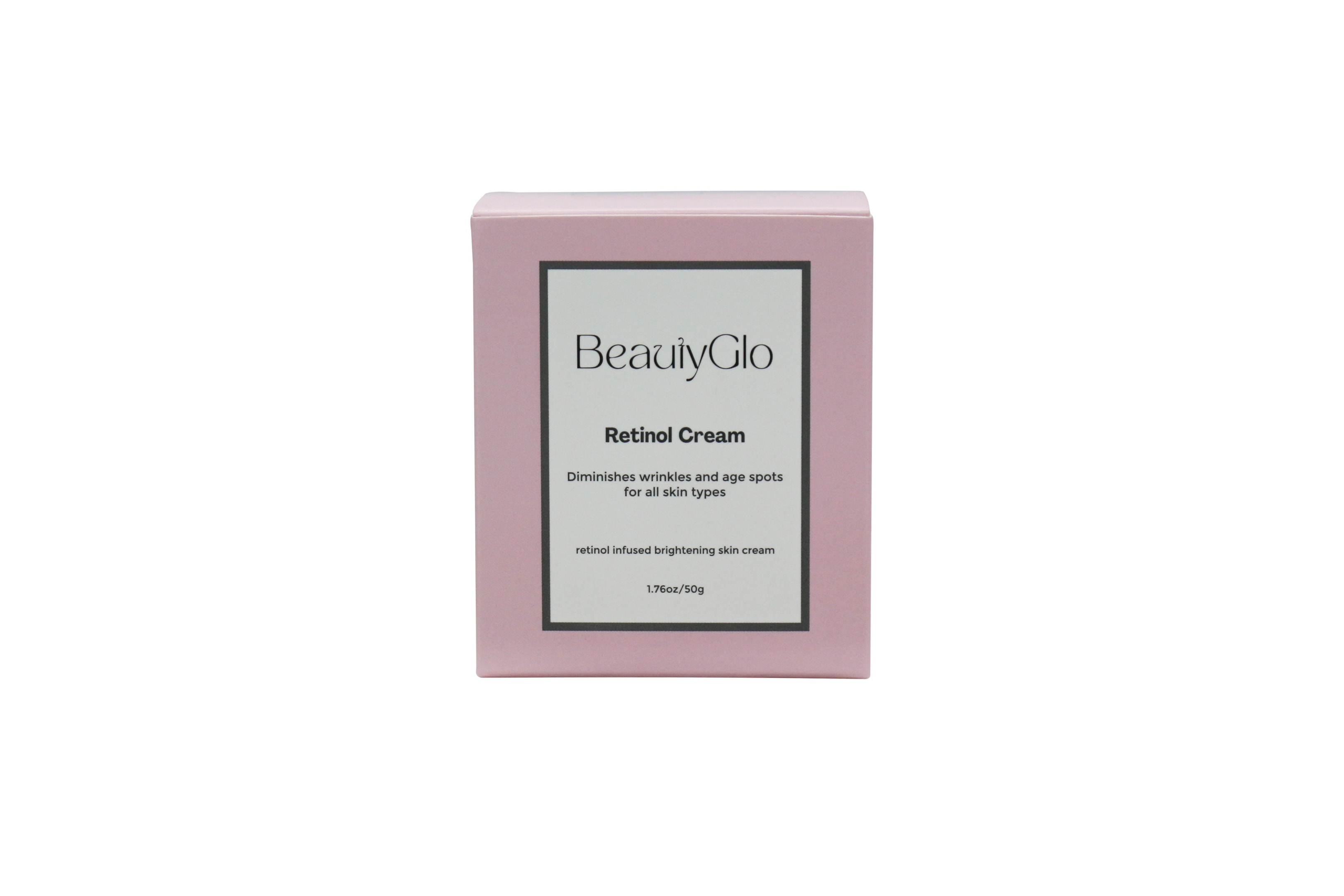
BeautyGlo Retinol Cream
-
Key Benefits: Smooths fine lines and improves skin texture.
-
Main Ingredients: Retinol, Niacinamide, Peptides.
-
Ideal Skin Type: All skin types, especially dry and aging skin.
-
Why It’s Effective: Affordable yet effective, this serum combines retinol and niacinamide for optimal anti-aging benefits.
L'Oréal Paris Revitalift Derm Intensives 1.5% Pure Hyaluronic Acid Serum
-
Key Benefits: Intensely hydrates and plumps the skin.
-
Main Ingredients: Hyaluronic Acid.
-
Ideal Skin Type: Dry, dehydrated skin.
-
Why It’s Effective: Provides deep hydration at an affordable price, making it a great choice for all skin types.
La Roche-Posay Hyalu B5 Serum
-
Key Benefits: Plumps and repairs damaged skin.
-
Main Ingredients: Hyaluronic Acid, Vitamin B5.
-
Ideal Skin Type: Sensitive skin.
-
Why It’s Effective: Perfect for sensitive skin, this serum hydrates while helping to repair the skin barrier.
Vichy LiftActiv Vitamin C Brightening Skin Corrector
-
Key Benefits: Brightens dull skin and reduces signs of aging.
-
Main Ingredients: Vitamin C, Hyaluronic Acid.
-
Ideal Skin Type: All skin types.
-
Why It’s Effective: With a high concentration of vitamin C, this serum visibly brightens the skin and fades dark spots.
Clarins Double Serum
-
Key Benefits: Boosts skin regeneration and improves hydration.
-
Main Ingredients: Turmeric, Hyaluronic Acid, Peptides.
-
Ideal Skin Type: All skin types.
-
Why It’s Effective: This dual-phase formula combines water and oil-based ingredients to deliver hydration and anti-aging benefits in one.
How to Choose the Right Serum for Your Skin Type
Not all serums are created equal, and choosing the right one depends on your skin type and specific concerns. Here are a few tips to help you find the perfect serum:
-
Dry Skin: Look for serums with hydrating ingredients like hyaluronic acid, ceramides, and glycerin. Serums that focus on moisture retention are key.
-
Oily or Acne-Prone Skin: Opt for lightweight, oil-free serums with ingredients like niacinamide or salicylic acid that help control oil production without clogging pores.
-
Sensitive Skin: Choose serums with soothing ingredients like chamomile, aloe vera, or centella asiatica. Avoid serums with high concentrations of retinol or strong exfoliants unless formulated for sensitive skin.
-
Combination Skin: A serum with balancing ingredients like niacinamide works well, as it hydrates while controlling excess oil.
-
Mature Skin: Look for serums packed with peptides, retinol, and antioxidants like vitamin C to address wrinkles, sagging, and dullness.
How to Use Anti-Aging Serums Effectively
To maximize the benefits of your serum, it's essential to apply it correctly:
-
Cleanse: Start with a clean face, removing all dirt, oil, and makeup.
-
Tone: Use a toner to balance your skin's pH and prepare it for better absorption.
-
Apply Serum: Apply 2-3 drops of serum to your face and gently pat it into your skin using your fingertips. Focus on areas with wrinkles or pigmentation.
-
Moisturize: Follow up with a moisturizer to lock in the serum’s active ingredients.
-
Sunscreen: In the morning, always finish with a broad-spectrum sunscreen to protect your skin from UV damage.
Additional Tips to Enhance Serum Effectiveness
-
Use SPF Daily: Sun protection is essential for preventing further aging and ensuring your serum works effectively. UV damage accelerates the aging process, so applying sunscreen daily is non-negotiable.
-
Exfoliate Regularly: Gentle exfoliation removes dead skin cells, allowing serums to penetrate deeper and work more effectively. Use a chemical exfoliant with ingredients like glycolic acid or lactic acid.
-
Maintain a Healthy Lifestyle: Your diet, hydration, sleep, and avoiding smoking play a huge role in the health of your skin. A balanced lifestyle complements your skincare efforts.
Common Mistakes to Avoid When Using Anti-Aging Serums
While serums can be powerful, there are a few mistakes to avoid to ensure you’re getting the most out of them:
-
Skipping Sunscreen: Using serums with ingredients like retinol or vitamin C without sunscreen can lead to sun sensitivity and damage.
-
Over-Exfoliating: Combining too many exfoliating products with your serum can damage your skin barrier and cause irritation. Stick to gentle exfoliation.
-
Using Too Much Product: A few drops of serum are enough for the entire face. Applying too much won’t make the product work faster and could cause irritation.
-
Not Following a Routine: Consistency is key. Incorporating a serum into your routine regularly (once or twice daily) is essential for long-term benefits.
Conclusion
Finding the best serums for aging skin involves understanding your skin’s specific needs and choosing products with the right ingredients. Whether you’re targeting wrinkles, dryness, or dark spots, serums packed with ingredients like retinol, vitamin C, hyaluronic acid, and peptides can help rejuvenate your skin. Remember to apply your serum correctly and complement it with other skincare essentials, such as sunscreen and moisturizer, for the best results.
FAQs About Serums for Aging Skin
1. Can serums reverse wrinkles?
While serums can significantly reduce the appearance of wrinkles, they cannot completely reverse them. However, consistent use of serums with active ingredients like retinol and peptides can help prevent further wrinkle formation and improve skin texture.
2. How long until I see results from anti-aging serums?
It typically takes 4-6 weeks to start noticing visible improvements, depending on the serum and your skin’s condition. However, long-term benefits like reduced wrinkles and improved elasticity can take several months.
3. Are expensive serums better than affordable ones?
Not necessarily. Many affordable serums contain the same active ingredients as their pricier counterparts. The key is to look at the ingredient list and choose a serum that fits your skin’s needs.
4. Can I use a serum every day?
Yes! Using a serum every day is perfectly fine. Most serums are designed for daily use. However, certain ingredients like retinol may require you to start slowly and build up your usage over time.