

Can You Tan After Botox? Everything You Need to Know
Botox is one of the most popular cosmetic treatments worldwide, helping individuals achieve smoother, more youthful-looking skin. However, after receiving Botox injections, many people wonder if they can continue their usual skincare routines, including tanning. Whether you prefer indoor tanning beds or natural sun exposure, it’s essential to understand how Botox interacts with UV rays and what precautions you should take.
Can You Tan After Botox? Understanding Its Effects on the Skin
Botox (botulinum toxin) is a neurotoxin that temporarily relaxes facial muscles, helping to reduce the appearance of fine lines and wrinkles. The treatment is minimally invasive, and results typically appear within a few days and last for three to four months.
The procedure involves tiny injections that can leave your skin slightly irritated, red, or swollen for a short period. While Botox itself does not make your skin more sensitive to the sun, these side effects raise concerns about whether tanning after Botox is safe or if it can impact the results.
What Are Botox Injections?
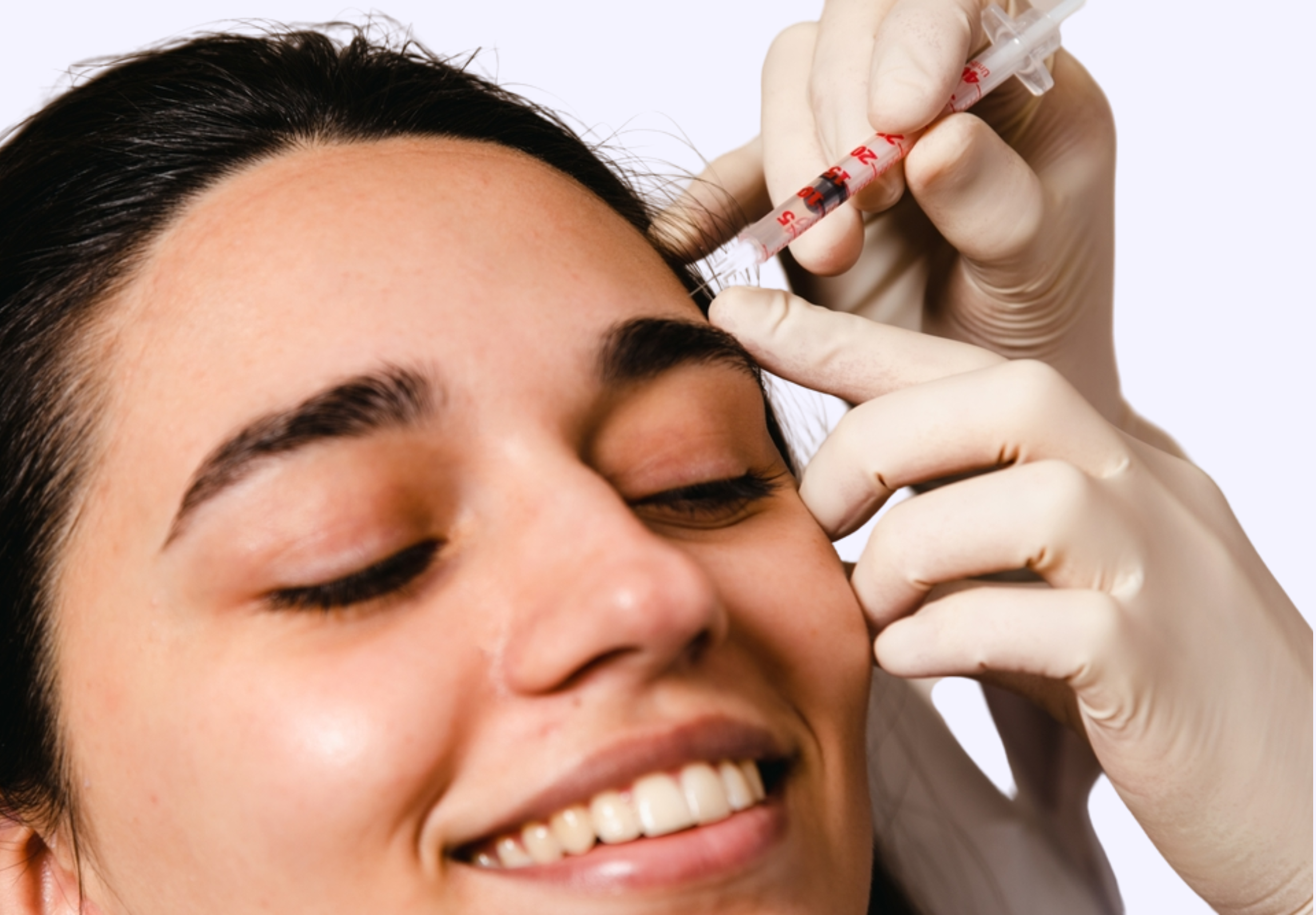
Botox injections are a widely sought-after cosmetic treatment designed to reduce wrinkles and facial imperfections. This procedure involves injecting a purified form of botulinum toxin A into specific facial muscles.
Temporarily relaxing these muscles helps, with the use of Botox, to smooth out fine lines and wrinkles, resulting in a more youthful appearance.
Commonly treated areas include the forehead, frown lines between the eyebrows, and crow’s feet around the eyes. One of the key advantages of Botox treatments is that they are non-invasive and require minimal downtime, making them an attractive option for those looking for a quick and effective solution to facial aging.
The effects of Botox injections typically last for several months, and with regular treatments, you can maintain a more youthful and refreshed look. However, it’s crucial to have Botox administered by a qualified healthcare professional to ensure safe and effective results.
After receiving Botox, proper skin care and sun protection are essential to maintain the best possible outcomes and prevent any potential side effects.
In the following sections, we will delve into the importance of sun exposure and tanning after Botox, providing guidance on how to safely combine these activities with your Botox treatment.
The Risks of Tanning After Botox
Increased Risk of Bruising
The heat from tanning beds or direct sun exposure can dilate blood vessels, increasing blood flow. This may lead to prolonged bruising, especially in areas where Botox was injected. If your skin is already sensitive, the additional heat can exacerbate the issue, leading to more noticeable marks that take longer to heal. Additionally, alcohol consumption can increase the likelihood of bruising and worsen side effects, so it is advisable to limit alcohol intake to maintain skin health during recovery.
Prolonged Swelling and Irritation
Some individuals experience mild redness or swelling after Botox injections. Heat and UV exposure can exacerbate these side effects, leading to longer recovery times. Since your skin is in a slightly compromised state post-injection, avoiding excessive heat is crucial. Allergic reactions to certain ingredients in skincare products can also exacerbate swelling and irritation.
Dehydration of the Skin
Tanning, whether indoors or outdoors, can dry out your skin. Dehydrated skin may impact how well Botox integrates with the muscles, potentially shortening its effectiveness. Dry skin is also more prone to wrinkles, counteracting the benefits of your Botox treatment.
Accelerated Aging and Skin Damage from Excessive Sun Exposure
Botox helps prevent wrinkles, but excessive sun exposure and UV radiation counteract its benefits by breaking down collagen and elastin, leading to premature aging and sun damage. UV radiation is the leading cause of photoaging, contributing to fine lines, dark spots, and loss of skin elasticity.
Potential for Uneven Results
Exposing your skin to UV rays too soon after Botox could result in uneven treatment results. If certain areas of your face swell more than others due to heat exposure, your Botox may settle unevenly, potentially causing asymmetry in facial expressions. To prevent uneven results, it is recommended to avoid tanning beds and direct sunlight for at least 48 hours post-treatment.
How Long Should You Wait to Tan After Botox?
To ensure optimal results and minimize risks, most dermatologists recommend waiting at least 24 to 48 hours before tanning after Botox. This allows any minor irritation, bruising, or swelling to subside, reducing the chances of adverse effects.
If you experience significant redness or sensitivity, it’s best to delay tanning even longer until your skin fully recovers. Proper care is essential for all cosmetic treatments to achieve optimal results.
Best Practices for Tanning After Botox
If you decide to tan after Botox, follow these precautions:
1. Use Sunscreen
Apply a broad-spectrum sunscreen with SPF 30 or higher to protect treated areas from UV damage. Sunscreen should be reapplied every two hours, especially if you are outdoors for extended periods.
2. Avoid Direct Sun Exposure
Try to stay out of the sun during peak hours (10 AM – 4 PM) to reduce UV exposure. If you must be outdoors, seek shade whenever possible. Avoid using a tanning bed as an alternative to direct sun exposure, as it can also cause skin damage and affect the healing process after cosmetic procedures.
3. Stay Hydrated
Drink plenty of water to keep your skin hydrated and minimize the drying effects of tanning. Dehydration can contribute to the development of fine lines and decrease the longevity of Botox effects.
4. Wear Protective Accessories
Sunglasses, hats, and visors can help shield your face from direct sunlight. Wide-brimmed hats are particularly effective in preventing UV rays from reaching sensitive areas of the face.
5. Opt for Self-Tanners
If you want a bronzed look without the risks, consider using self-tanning lotions or spray tans, which don’t expose your skin to UV rays. These products can provide a natural-looking tan without compromising your Botox results.
Indoor Tanning Beds vs. Natural Sunlight: Which is Worse?
Many people assume that tanning beds are a safer alternative to natural sunlight, but this is a misconception. Tanning beds emit concentrated UV radiation that can be even more damaging to the skin than natural sun exposure. Here’s how they compare: After a botox injection, it is crucial to avoid both tanning beds and direct sunlight to ensure optimal results and prevent any adverse effects.
Tanning Beds
-
Emit UVA rays, which penetrate deeper into the skin and contribute to long-term aging.
-
Increase the risk of premature wrinkles and skin damage.
-
Can dehydrate the skin, reducing Botox effectiveness.
-
May cause excessive redness and irritation post-Botox.
Natural Sunlight
-
Provides both UVA and UVB rays, which contribute to sunburn and photoaging.
-
More difficult to control exposure levels compared to tanning beds.
-
Can cause uneven Botox results if the face is exposed to too much heat.
-
Requires diligent sunscreen application to prevent damage.
Regardless of whether you prefer indoor tanning or outdoor sunbathing, both have risks, particularly after a Botox treatment.
Alternative Ways to Maintain a Healthy Glow Post-Botox
If you want a radiant, sun-kissed look without the risks of tanning, consider these safer alternatives:
-
Bronzing Drops & Makeup – Mix bronzing drops with your moisturizer or foundation for a subtle, natural glow.
-
Spray Tans – A professional spray tan can give you an even tan without UV damage.
-
Gradual Self-Tanners – Use a lotion with a mild tanning agent to build up color gradually.
-
Hydration & Skincare – A well-hydrated complexion naturally looks more radiant. Use hyaluronic acid and moisturizers to maintain a dewy glow.
Botox is effective in reducing wrinkles, and these alternatives can help maintain the results.
Wrap Up
While tanning after Botox is not strictly prohibited, it is advisable to wait at least 24 to 48 hours to reduce the risk of bruising, swelling, and dehydration. Since excessive UV exposure can counteract the anti-aging benefits of Botox, always take protective measures to keep your skin healthy and glowing.
For the best post-Botox care, consult with your dermatologist or skincare specialist to ensure your beauty routine complements your treatment results. When following these guidelines, enjoy the benefits of Botox while maintaining a glowing, youthful complexion.