

Does Anti-Wrinkle Cream Work? The Science Behind Anti-Aging Skincare
In the quest for youthful looking skin, anti-wrinkle creams stand as one of the most accessible options on the market. With promises of diminishing fine lines, boosting collagen, and restoring that coveted youthful glow, these products fill beauty aisles and online stores alike. But the question remains: do anti-wrinkle creams actually work, or are consumers investing in elaborate promises with minimal results?
Understanding Skin Aging: Why Wrinkles Form
Before evaluating the effectiveness of anti-wrinkle creams, it’s essential to understand what causes skin aging in the first place. Our skin ages through two primary processes:
-
Intrinsic aging: This is the natural aging process that occurs with the passage of time. It typically begins in our mid-20s, when collagen production slows down, and skin cell turnover decreases. This slower skin cell turnover leads to a dull appearance, fine lines, and wrinkles.
-
Extrinsic aging: This type of aging is caused by external factors such as sun exposure, pollution, and lifestyle choices. These factors can accelerate the breakdown of collagen and elastin fibers, leading to premature aging signs like age spots, deep wrinkles, and uneven skin tone.
Intrinsic Aging
This natural process occurs regardless of external factors. As we age, our skin:
-
Produces less collagen and elastin, proteins that maintain skin’s firmness and elasticity
-
Experiences slower cell turnover, leading to dull appearance
-
Loses hyaluronic acid, reducing moisture retention
-
Develops thinner dermal and epidermal layers
-
Reduces in amino acids, affecting skin firmness and elasticity, and making it more prone to wrinkles and dryness
Extrinsic Aging
Environmental factors significantly accelerate skin aging:
-
UV radiation from sun exposure (photoaging)
-
Pollution and environmental toxins
-
Smoking and alcohol consumption
-
Poor diet and dehydration
-
Repetitive facial expressions
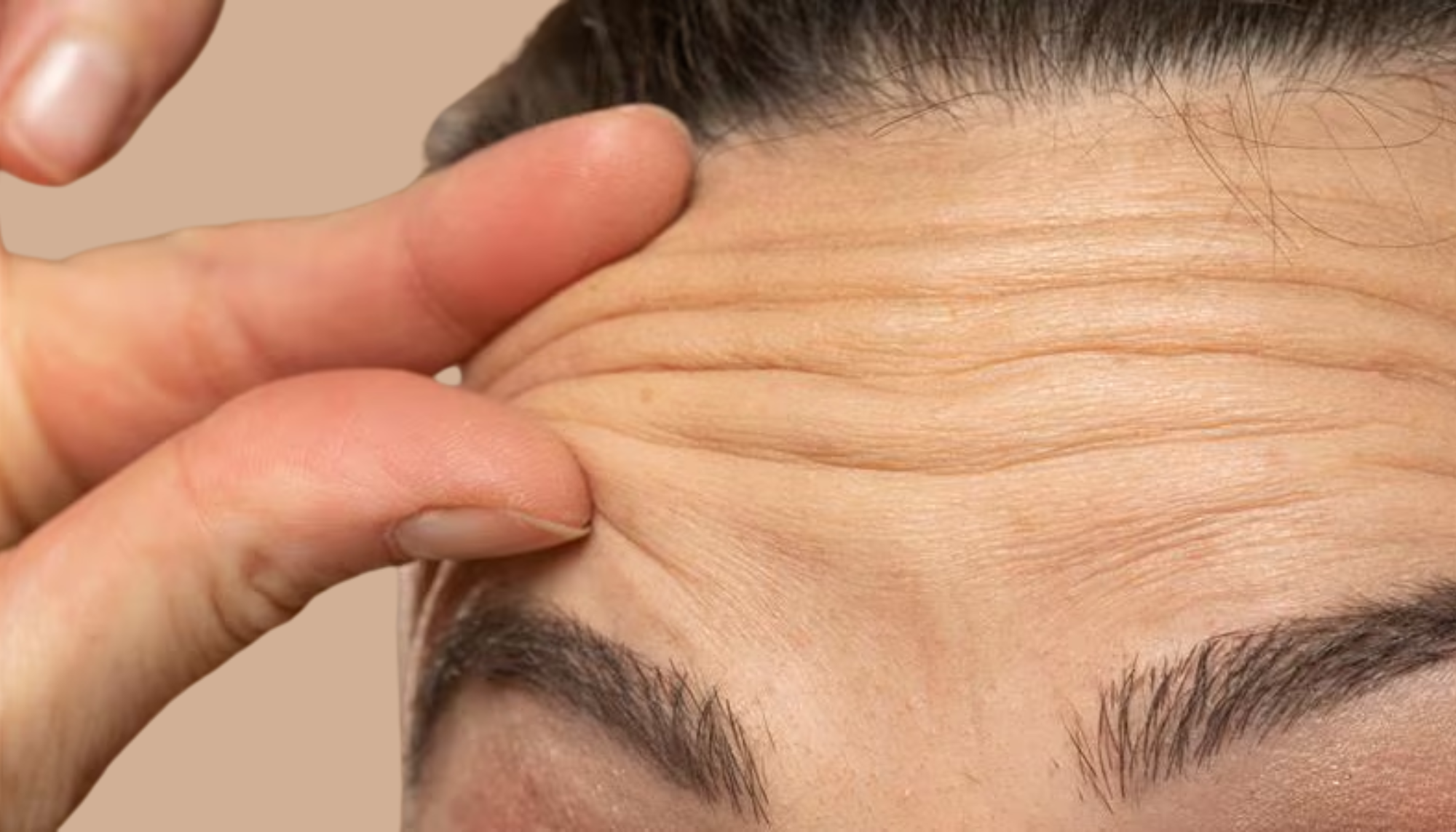
Combined, these factors lead to the formation of fine lines, wrinkles, age spots, and loss of skin elasticity that anti-wrinkle creams claim to address. Using a broad-spectrum sunscreen daily can protect the skin from harmful UV rays, blue light, and pollution, significantly reducing skin aging and preventing long-term damage.
Key Ingredients in Anti-Wrinkle Creams: What Science Says
The effectiveness of anti aging creams and anti aging products largely depends on their active ingredients. Here’s what research tells us about the most common components:
Retinoids
Derived from vitamin A, retinoids are perhaps the most scientifically validated anti-aging ingredient.
-
Stimulate collagen production
-
Accelerate skin cell turnover
-
Improve skin texture and tone
-
Reduce appearance of fine lines
Prescription-strength retinoids like tretinoin (Retin-A) have substantial clinical evidence supporting their effectiveness. Over-the-counter retinol products contain lower concentrations but can still provide benefits with consistent use.
Peptides
Amino acids form chains that serve as building blocks for proteins like collagen.
-
Signal skin to produce more collagen
-
May improve skin firmness and texture
-
Popular peptides include Matrixyl (palmitoyl pentapeptide-4) and Argireline (acetyl hexapeptide-8)
While promising, peptides have less extensive research than retinoids, and their effectiveness depends on formulation and concentration.
Antioxidants
These compounds neutralize free radicals that damage skin cells, thereby improving overall skin health.
-
Vitamin C brightens skin and boosts collagen production
-
Vitamin E improves moisture and protection
-
Niacinamide (vitamin B3) reduces inflammation and improves barrier function
-
Coenzyme Q10 protects against UV damage
Antioxidants work best preventatively and may require months of use for visible results.
Hyaluronic Acid
Hyaluronic acid is a moisture-binding molecule can hold up to 1,000 times its weight in water.
-
Provides immediate plumping effect for younger looking skin
-
Temporarily reduces appearance of fine lines
-
Improves skin hydration
While hyaluronic acid offers quick improvements, effects are temporary and primarily address dehydration-related aging.
Alpha Hydroxy Acids (AHAs) and Beta Hydroxy Acids (BHAs)
These exfoliating acids remove dead skin cells and promote renewal.
-
Glycolic acid (AHA) improves texture, enhances skin tone, and stimulates collagen
-
Lactic acid (AHA) hydrates while exfoliating
-
Salicylic acid (BHA) clears pores and reduces inflammation
Acids provide visible improvements in skin texture but may cause irritation in higher concentrations.
The Effectiveness Debate: What Research Shows
Multiple studies have examined the efficacy of anti aging products, including anti-wrinkle creams, with mixed but generally positive results for products containing scientifically-backed ingredients.
A 2019 review published in the Journal of Clinical and Aesthetic Dermatology found that topical retinoids consistently demonstrated improvements in photoaging, including reduction in fine lines and wrinkles. The researchers noted that results typically become visible after 3-6 months of regular use.
Similarly, a 2021 study in the Journal of Cosmetic Dermatology showed that a cream containing peptides and antioxidants improved skin elasticity and reduced wrinkle depth after 12 weeks of application.
However, the degree of improvement varies significantly based on:
-
Ingredient concentration
-
Formulation quality
-
Individual skin characteristics
-
Consistency of application
-
Sun protection habits
-
Age and condition of skin
Setting Realistic Expectations: What Anti-Wrinkle Creams Can and Cannot Do
For consumers considering anti-wrinkle creams, understanding limitations is crucial to avoid disappointment.
-
Anti-wrinkle creams cannot completely eliminate skin discoloration. While they may help reduce the appearance of dark spots, they cannot fully restore skin affected by age-related changes such as reduced collagen production and skin elasticity. Ingredients like Vitamin C can be beneficial, but results will vary.
What Anti-Wrinkle Creams Can Do:
-
Temporarily improve skin hydration and texture
-
Gradually reduce the appearance of fine lines
-
Brighten dull complexion
-
Provide modest improvements in skin firmness
-
Slow the progression of new wrinkles with preventative use
What Anti-Wrinkle Creams Cannot Do:
-
Eliminate deep wrinkles completely
-
Match results of cosmetic procedures (Botox, fillers, facelifts)
-
Work instantly or overnight
-
Reverse significant skin laxity
-
Overcome continued poor lifestyle habits (smoking, excessive sun exposure)
Dr. Jennifer Marsh, a dermatologist specializing in cosmetic dermatology, explains: "Anti-wrinkle creams can be effective for early signs of aging and maintenance, but consumers should understand that topical products work primarily on the skin's surface layers. More significant concerns often require in-office procedures."
Factors Affecting Anti-Wrinkle Cream Performance
Several variables influence how well an anti-wrinkle cream will work for any individual:
Skin Type
It's crucial to consider your skin type when selecting an anti-wrinkle cream. For those with sensitive skin, choosing products specifically formulated to prevent irritation and redness is essential, especially when incorporating potent ingredients like retinol and peptides.
Different formulations work better for different skin types. People with oily skin may benefit from lightweight, non-comedogenic formulas. While people with dry skin require richer, more emollient products.
Age and Existing Damage
Anti-wrinkle creams tend to be more effective for preventing wrinkles or addressing early signs of aging rather than treating deep, established wrinkles.
Formulation Quality
Not all products are created equal. Factors like pH, stability, penetration enhancers, and overall formulation significantly impact ingredient effectiveness.
Consistency of Use
Most anti-aging ingredients require regular, long-term application to show results. Inconsistent use typically yields minimal benefits.
Complementary Skincare
An anti-wrinkle cream works best as part of a comprehensive regimen that includes proper cleansing, moisturizing, and sun protection.
Making Anti-Wrinkle Creams Work: Best Practices
To maximize the potential benefits of anti-wrinkle creams, consider these expert recommendations:
Address Lifestyle Factors: Maintaining a skin healthy lifestyle is crucial. Ensure you stay adequately hydrated and follow a nutritious diet to support overall skin health.
Start With Sun Protection
"The most effective anti-aging product you can use is sunscreen," says Dr. Elizabeth Tanzi, Director of Capital Laser & Skin Care. "Preventing UV damage is far more effective than trying to repair it later."
A broad-spectrum SPF 30+ sunscreen, applied daily and reapplied every two hours when outdoors, forms the foundation of any effective anti-aging routine.
Choose Products With Proven Ingredients
Look for formulations containing:
-
Retinol or other retinoids
-
Vitamin C (L-ascorbic acid)
-
Peptides
-
Niacinamide
-
Hyaluronic acid
-
Alpha hydroxy acids
Be Patient and Consistent
Results take time. Most studies evaluating anti-wrinkle creams measure outcomes after 8-12 weeks of regular use. Establish a consistent routine and maintain it.
Consider Your Full Routine
Layer products appropriately, typically applying from thinnest to thickest consistency. Allow products to absorb before applying the next layer.
Address Lifestyle Factors
For maximum benefits, complement topical treatments with:
-
Adequate hydration
-
Nutritious diet rich in antioxidants
-
Sufficient sleep
-
Stress management
-
Avoiding smoking and excessive alcohol
When to Consider Professional Treatments
Anti-wrinkle creams have their place, but some concerns respond better to in-office procedures:
-
Deep wrinkles may require dermal fillers or neurotoxins (Botox)
-
Significant skin laxity might need radiofrequency treatments or surgery
-
Textural issues often respond well to chemical peels or microdermabrasion
-
Combination approaches typically yield the most comprehensive results
Many dermatologists recommend a layered approach: medical-grade skincare for maintenance and prevention, with occasional professional treatments for specific concerns. Combining topical products with professional treatments can help achieve younger looking skin.
The Cost Factor: Value vs. Effectiveness
Anti aging creams range dramatically in price, from budget drugstore options to luxury products exceeding $500. Higher price doesn’t always correlate with greater effectiveness.
“The formulation matters more than the brand name or packaging,” explains cosmetic chemist Victoria Fu. “I’ve seen $20 products outperform $200 ones because they contain better active ingredients in more effective concentrations.”
When evaluating cost versus benefit, consider:
-
Ingredient quality and concentration
-
Formulation technology
-
How much product is needed per application
-
How long the product will last
-
Supporting research
Many dermatologists recommend investing in a few quality products with proven ingredients rather than an extensive collection of mediocre formulations.
Conclusion: The Verdict on Anti-Wrinkle Creams
So, do anti-wrinkle creams work? The answer is nuanced: yes, they can work, but with important qualifications.
Anti-wrinkle creams containing scientifically-validated ingredients like retinoids, peptides, antioxidants, and exfoliating acids can deliver modest improvements in skin appearance and texture when used consistently over time. These improvements are most noticeable for fine lines, skin brightness, and overall texture.
However, even the best topical products have limitations. They work primarily by improving the skin's surface appearance and supporting natural regeneration processes. For deeper wrinkles or significant sagging, professional treatments offer more dramatic results.
The most effective approach to aging skin combines:
-
High-quality topical products with proven ingredients
-
Consistent sun protection
-
Healthy lifestyle habits
-
Realistic expectations
-
Professional treatments when appropriate
By understanding what anti-wrinkle creams can realistically achieve, consumers can make informed decisions about incorporating these products into their skincare routines. With patience and consistency, the right formulations can contribute to healthier, more youthful-looking skin—even if they can't quite turn back the clock completely.