

Does Hyaluronic Acid Darken Skin? An In-Depth Analysis
Introduction
Hyaluronic acid (HA) has become a cornerstone in modern skincare routines. It is celebrated for its remarkable ability to hydrate and rejuvenate the skin. This naturally occurring substance is prized for its moisture-retaining properties, making it a key ingredient in various skincare products, from serums to moisturizers.
However, a common question arises: does hyaluronic acid darken skin? Inside the article, we will explore the science behind hyaluronic acid, and its effects on the skin, and address concerns regarding its potential to cause skin darkening.
What is Hyaluronic Acid?
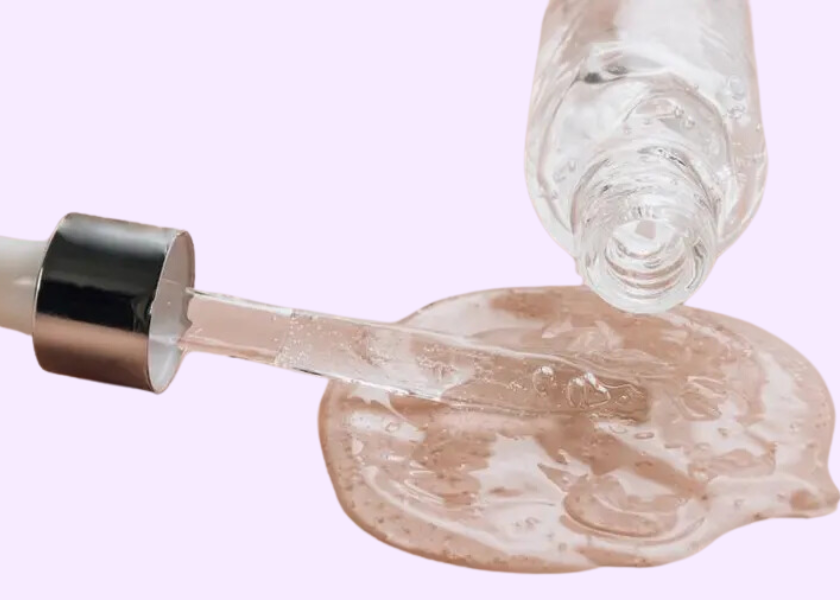
Hyaluronic acid
Hyaluronic acid is a glycosaminoglycan, a molecule known for its ability to bind water. This unique property makes hyaluronic acid an excellent humectant, capable of holding up to 1,000 times its weight in water.
In the human body, hyaluronic acid is predominantly found in the skin, connective tissues, and eyes. Its primary function in the skin is to retain moisture, keeping the tissues well-lubricated and hydrated.
The Role of Hyaluronic Acid in Skincare
Hydration and Moisture Retention
Hyaluronic acid's ability to attract and retain water makes it an essential ingredient for maintaining skin hydration. It draws moisture from the environment and the deeper layers of the skin, bringing it to the surface. This helps to keep the skin hydrated, plump, and youthful.
Enhancing Skin Elasticity
By maintaining optimal hydration levels, hyaluronic acid helps to preserve the skin's elasticity. As we age, the natural production of hyaluronic acid decreases, leading to a loss of firmness and elasticity. The topical application of HA can help counteract these effects, reducing the appearance of fine lines and wrinkles.
Strengthening the Skin Barrier
A well-hydrated skin barrier is crucial for protecting the skin from external irritants, pollution, and UV radiation. Hyaluronic acid helps to maintain this barrier function, preventing moisture loss and shielding the skin from potential damage.
Can Hyaluronic Acid Darken Skin?
The question of whether hyaluronic acid can darken the skin is a common concern, but it often stems from misconceptions or misinformation. Let's explore the factors involved:
The Nature of Hyaluronic Acid
Hyaluronic acid itself is a clear, colorless substance. It does not contain any ingredients that can alter skin pigmentation or affect melanin production, the pigment responsible for skin color. Therefore, HA does not have the intrinsic ability to darken the skin.
Perceived Skin Darkening
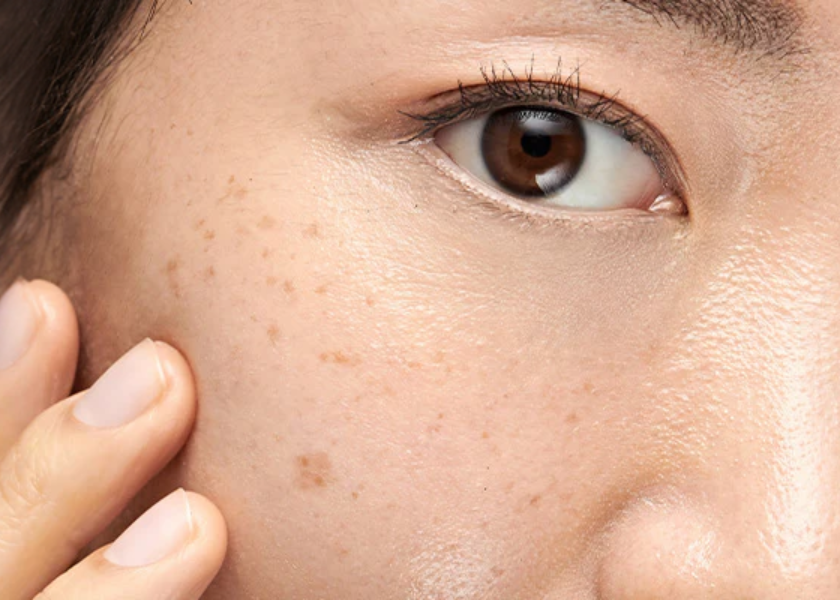
Sometimes, users may perceive a change in their skin tone after using products containing hyaluronic acid. This perception can be influenced by several factors:
Enhanced Skin Hydration
Improved hydration from hyaluronic acid can lead to a more radiant and even skin tone. The skin may appear more luminous and healthy, which can be misinterpreted as a change in skin color.
Interaction with Other Ingredients
Skincare products often contain a combination of active ingredients. Some ingredients, such as retinoids or alpha hydroxy acids (AHAs), can increase the skin's sensitivity to the sun. If proper sun protection is not used, this increased sensitivity can lead to hyperpigmentation. However, this effect is not directly caused by hyaluronic acid itself.
Post-Inflammatory Hyperpigmentation (PIH):
In some cases, the use of HA alongside other treatments like chemical peels or laser therapy can lead to skin irritation or inflammation. This may result in PIH, where dark spots or patches appear on the skin. Again, this is not a direct consequence of using HA but rather an outcome of the inflammatory response.
Best Practices for Using Hyaluronic Acid in Skincare
To maximize the benefits of hyaluronic acid and avoid any potential concerns about skin darkening, it's essential to follow the best practices:
Patch Testing
Before putting a new product into your skincare routine, it's reccommended to perform a patch test. This helps ensure that you do not have any adverse reactions to the product.
Consistent Use of Sunscreen
Sun protection is crucial when using any skincare products, especially those containing active ingredients like retinoids or AHAs. A broad-spectrum sunscreen with at least SPF 30 should be applied daily to protect the skin from UV-induced hyperpigmentation.
Proper Layering
When using hyaluronic acid products, it's beneficial to apply them to slightly damp skin. This enhances the absorption and effectiveness of HA. Following up with a moisturizer helps lock in the hydration and creates a protective barrier.
Consultation with a Dermatologist
If you experience any unusual changes in your skin or have concerns about the effects of hyaluronic acid, it's best to consult a dermatologist. They can provide personalized advice and recommend suitable products for your skin type and concerns.
The Benefits of Hyaluronic Acid Beyond Hydration
While the primary function of hyaluronic acid is to hydrate and plump the skin, it also offers several additional benefits:
Anti-Aging Properties
By maintaining skin hydration, HA helps to reduce the visibility of fine lines and wrinkles. It can also enhance the skin's elasticity, making it appear firmer and more youthful.
Soothing and Calming
Hyaluronic acid has soothing properties, making it an excellent choice for sensitive or irritated skin. It can help to calm redness and inflammation, promoting a more even complexion.
Non-Comedogenic
Hyaluronic acid is labeled as non-comedogenic, meaning it wont clog pores. This makes it suitable for all skin types, including acne-prone skin.
Conclusion
Hyaluronic acid is a versatile and beneficial ingredient widely used in skincare for its exceptional hydrating properties. The concern that hyaluronic acid can darken the skin is largely unfounded, as it does not influence melanin production or skin pigmentation.
Any perceived changes in skin tone are typically due to improved hydration, the interaction with other skincare ingredients, or external factors like sun exposure.
By following best practices such as consistent sunscreen use, proper product layering, and consulting with a dermatologist, you can safely incorporate hyaluronic acid into your skincare routine. Enjoy the benefits of hydrated, plump, and youthful skin without worrying about the myth of skin darkening.
In summary, hyaluronic acid is a valuable addition to any skincare regimen, offering hydration, anti-aging benefits, and overall skin health. Its reputation as a skin-darkening agent is a misconception, and when used correctly, HA can help you achieve a glowing complexion.