

Does Retinol Help with Acne? A Complete Science-Based Guide
Retinol has gained significant popularity in skincare routines, particularly for those struggling with acne and seeking effective acne treatments. This guide explores the science behind retinol’s effectiveness in treating acne, how it works, and the best ways to incorporate it into your skincare routine.
Beside acne benefits when incorporating retinol to your beauty regimen, remember it also provides assistance with reducing the speed or look of aging skin. In the long run the benefits will outweigh the short-term cons like purging.
What is Retinol and How Does it Work?
Retinol is a derivative of vitamin A that belongs to the retinoid family and is commonly used as a topical retinoid in skincare. When applied to the skin, it converts into retinoic acid, which interacts with cell receptors to promote skin cell turnover and regulate oil production. This process directly addresses several key factors that contribute to acne formation:
Cell Turnover: Retinol accelerates the skin’s natural exfoliation process, preventing dead skin cells from clogging pores.
Oil Regulation: It helps normalize sebum production, reducing excess oil in the pores that can lead to breakouts.
Inflammation Control: Retinol has anti-inflammatory properties that can help calm existing acne.
Benefits of Retinol for Acne
Retinol is a powerful ingredient in the fight against acne, offering several benefits that can help to reduce the severity and frequency of breakouts. That is why retinol is a well reccomended ingredient because it has multiple use cases.
Reduces Acne-Causing Bacteria
Retinol has been shown to have antibacterial properties, which can help to reduce the amount of acne-causing bacteria on the skin. By reducing the amount of bacteria, retinol can help to prevent the formation of acne lesions and reduce the severity of existing breakouts.
Regulates Sebum Production
Retinol can also help to regulate sebum production, which can be beneficial for individuals with oily skin or acne-prone skin. By reducing the amount of sebum produced, retinol can help to unclog pores and prevent the formation of those pesky acne lesions.
Exfoliates the Skin
Retinol is a natural exfoliant that can help to remove dead skin cells and other debris from the skin. This helps to unclog pores and prevent the formation of acne, while also improving the overall texture and appearance of the skin. This can help to prevent or smoothen out acne scars over time.
Scientific Evidence Supporting Retinol for Acne Treatment
Multiple clinical studies have demonstrated retinol’s effectiveness in treating acne. It is important to note that initial use of retinol may temporarily worsen acne symptoms before improvement is seen. This process is known as the purging cycle.
Research published in the Journal of Dermatological Treatment showed that retinol can reduce acne lesions by up to 40% after 12 weeks of consistent use. The American Academy of Dermatology recognizes retinoids as a first-line treatment for both comedonal (blackheads and whiteheads) and inflammatory acne.
Types of Acne Retinol Can Help With
Retinol is particularly effective for treating:
-
Comedonal acne (blackheads and whiteheads)
-
Inflammatory acne (red, painful bumps)
-
Post-inflammatory hyperpigmentation
-
Hormonal acne
-
Adult acne
-
Severe acne
How to Use Retinol for Acne Treatment
Starting a Retinol Routine
Begin with a low concentration (0.025% to 0.05%) and gradually increase strength as your skin builds tolerance. Apply retinol in the evening after cleansing and before moisturizing. Start with twice-weekly application and slowly increase frequency based on your skin’s response. Those with sensitive skin should start with the lowest concentration and monitor their skin's response closely.
Best Practices for Retinol Use
-
Always apply to clean, dry skin
-
Wait 3-5 minutes after application before applying other products
-
Use sunscreen during the day (retinol can increase sun sensitivity)
-
Avoid combining with benzoyl peroxide or vitamin C in the same routine
-
Consider the “sandwich method” (moisturizer, retinol, moisturizer) when first starting
-
To minimize skin irritation, start with a lower concentration and gradually increase as your skin builds tolerance
Treating Acne Scars with Retinol
Retinol can also be beneficial for treating acne scars, as it can help to promote collagen production and improve skin texture. By stimulating collagen production, retinol can help to fill in acne scars and improve the overall appearance of the skin.
In addition to its ability to promote collagen production, retinol can also help to reduce the appearance of acne scars by improving skin texture and tone. During the exfoliation process, by removing dead skin cells and other debris from the skin, retinol can help to improve the overall appearance of the skin and reduce the visibility of acne scars.
Overall, retinol is a powerful ingredient that can be beneficial for treating acne and acne scars. Its ability to reduce acne-causing bacteria, regulate sebum production, and exfoliate the skin make it an effective treatment for acne, while its ability to promote collagen production and improve skin texture make it a beneficial treatment for acne scars.
Potential Side Effects for Sensitive Skin and How to Minimize Them
Common initial side effects include:
-
Dryness
-
Redness
-
Peeling
-
Temporary increase in breakouts (purging)
It is common for retinol to initially worsen acne before improvement is seen, a process known as purging.
To minimize these effects:
-
Start with a lower concentration
-
Use moisturizer generously
-
Take breaks if irritation becomes severe
-
Consider buffering with moisturizer
-
Stay hydrated and protect skin from sun exposure
Choosing the Right Retinol Product
Look for products that:
-
List the concentration of retinol
-
Come in opaque, airless packaging
-
Include complementary ingredients like hyaluronic acid or niacinamide
-
Match your skin type and concerns
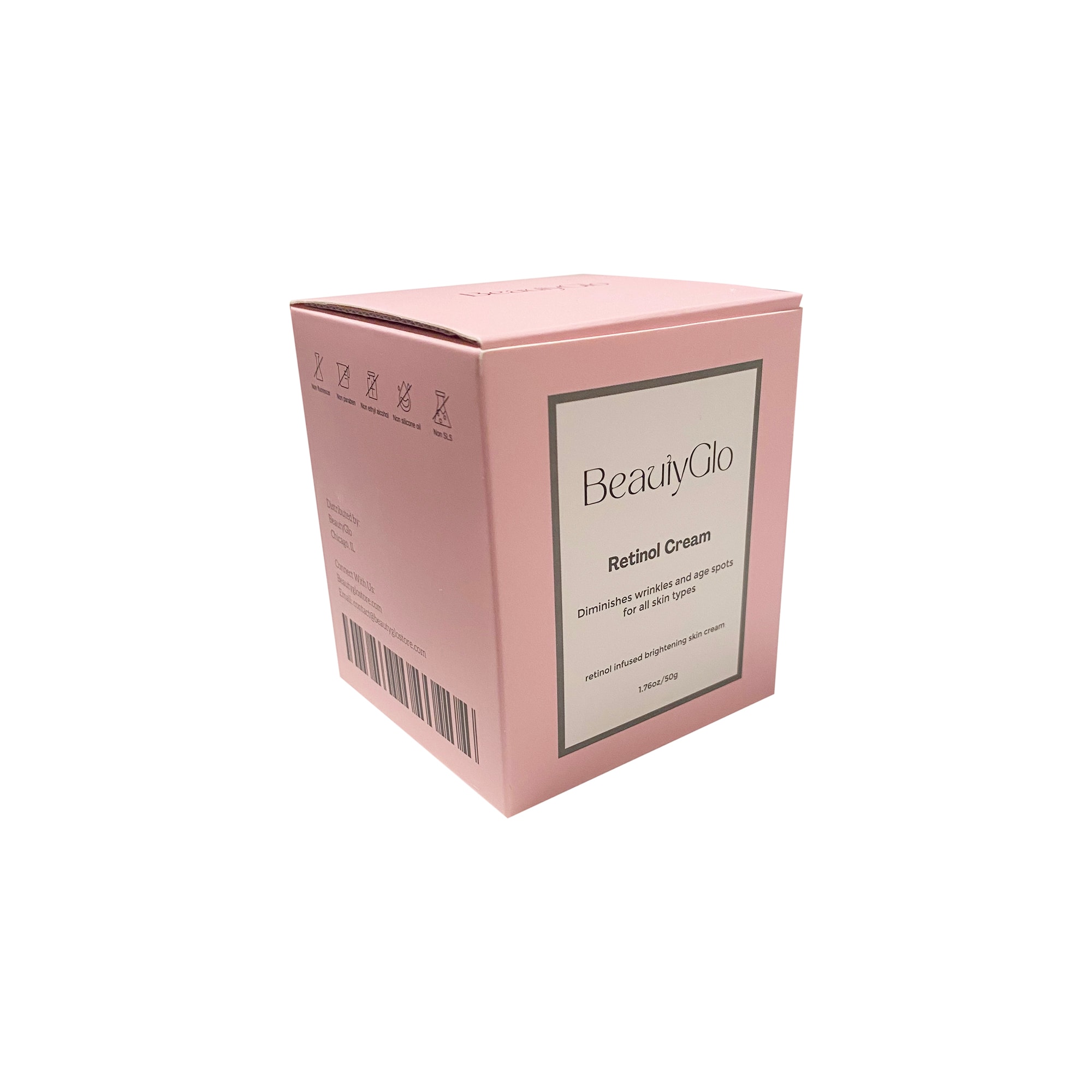
Retinol is available in various topical treatments, including creams, gels, and serums, each suited for different skin types and concerns.
Expert Tips for Maximum Benefits
When starting with topical retinoids, it is important to introduce them gradually to minimize potential irritation.
-
Consistency is key - results typically appear after 8-12 weeks of regular use
-
Start with over-the-counter products before considering prescription-strength options
-
Pay attention to your skin’s response and adjust usage accordingly
-
Maintain a gentle skincare routine alongside retinol use
When to Expect Results
Most people begin to see improvements in their acne after 8-12 weeks of consistent use. However, individual results may vary based on:
-
Skin type and sensitivity
-
Acne severity
-
Product concentration
-
Consistency of use
-
Overall skincare routine
In addition to reducing breakouts, retinol can also help diminish acne scarring over time.
Conclusion
Research and clinical experience strongly support retinol’s effectiveness in treating acne. While it requires patience and proper usage to see results, retinol can be a powerful tool in managing acne when used correctly. As a topical treatment, retinol offers a practical and effective solution for managing acne and improving skin health. Remember to start slowly, be consistent, and always protect your skin from sun exposure while using retinol products.
Disclaimer: This article is for informational purposes only and should not replace professional medical advice. Consult with a dermatologist before starting any new skincare treatment.