

Optimizing Your Tretinoin Routine: How Long Should I Leave Tretinoin on My Face for Maximum Results?
A question I often ask myself when doing my skincare routine is How long? For this specific example; How long should I leave tretinoin on my face? Before we determine the correct amount of tretinoin cream and time to use we should understand what we are dealing with.
Tretinoin, a derivative of vitamin A, is a potent topical treatment known for its effectiveness in addressing various skin concerns, including acne, fine lines, and hyperpigmentation. While incorporating tretinoin into your skincare routine can yield remarkable results, the duration it stays on your face plays a crucial role in its efficacy and potential side effects. Below we'll explore the optimal duration for leaving tretinoin on your face, considering both effectiveness and skin sensitivity. While also touching a bit on what Tretinoin is and why it's useful.
Understanding Tretinoin
Tretinoin is one of the topical retinoids. It works by promoting cell turnover, encouraging the growth of new skin cells while preventing the buildup of dead skin cells. This process not only helps combat acne but also enhances skin texture and reduces the appearance of fine lines and wrinkles.
Thus it is a useful anti aging serum. When using tretinoin, one of the goals is wanting to reduce skin irritation. However, using tretinoin requires a careful balance to harness its benefits without balance it can increase skin irritation.
Tretinoin cream tips:
When you apply tretinoin cream, it's important to follow these tips for best practices and protection.
Start Slow
When beginning a tretinoin regimen, it's essential to start slowly to allow your skin to acclimate. Begin with a lower concentration, and apply it sparingly (a couple of days in between). This gradual introduction minimizes the risk of irritation and excessive dryness. When you follow instructions carefully you will avoid severe irritation and unusual dryness.
Follow Dermatologist Recommendations

Since tretinoin is a prescription formula, you will need to see a licensed professional to prescribe it. Individual skin types vary, and what works for one person may not be suitable for another. Dermatologists often provide personalized recommendations based on your skin type, concerns, and the amount of concentration you're using.
Always follow their advice regarding application frequency and duration. The other alternative can be topical retinol or other retinoids.
Short Contact Therapy
For individuals with sensitive skin, short contact therapy is an option. This involves applying tretinoin to the skin for a short period (e.g., 15-20 minutes) and then washing it off. This method allows you to enjoy the benefits of tretinoin without extended exposure, minimizing the risk of irritation.
When I have consulted with dermatologists it's directed to absorb into the skin and not be washed off. So ideally you want to use a pea-sized amount of tretinoin cream in certain areas. A thin layer is more than enough.
Remember the goal of these ingredients is to work deep in the epidermis to treat from the root of the problem.
Optimal Duration for Leaving Tretinoin on Your Face
Gradual Increase
As your skin builds tolerance, you can gradually increase the duration of tretinoin application. Begin with leaving it on for 20-30 minutes and then rinse it off. Over time, you can extend this duration to a few hours or overnight, depending on your skin's response.
Overnight Application
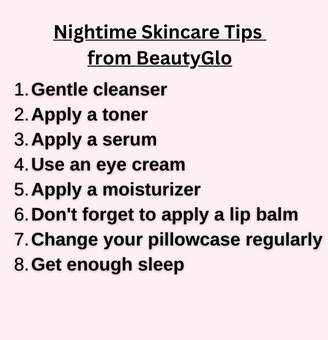
Many users find success with leaving tretinoin on overnight. The most popular option is what is directed in the instruction manual. This extended contact time allows the medication to penetrate deeper into the skin, maximizing its effectiveness.
However, this approach may not be suitable for everyone, especially those with sensitive or dry skin. Make sure to use an ample amount of moisturizer.
Pay Attention to Skin Signals:
Your skin will provide valuable feedback on the optimal duration for leaving tretinoin on your face. If you wake up with a noticable amount of redness, peeling, or additional dryness, it's crucial to reassess your routine.
Consider reducing the application duration or frequency until your skin adjusts. Over some time your skin will adjust to the strength of tretinoin cream.
Avoiding retinoid dermatitis
Unfortunately using tretinoin and other retinoids can lead to a condition called retinoid dermatitis.
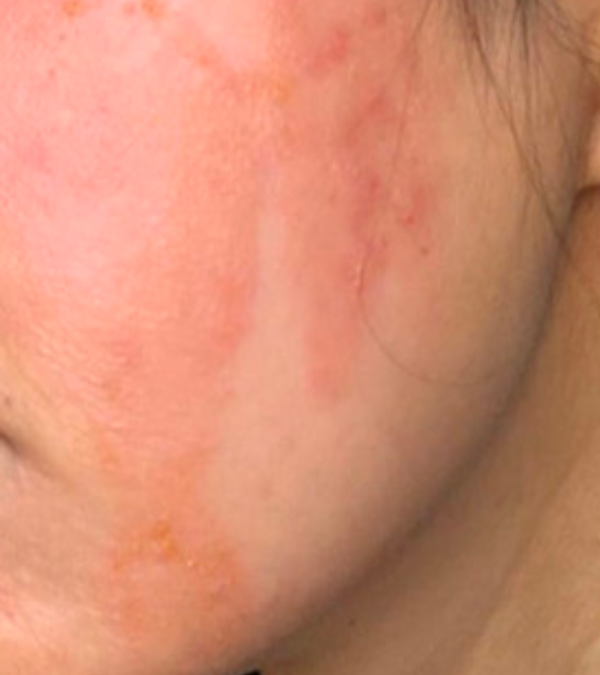
Side effects
-
Unusually warm skin
-
Severe irritation
-
Slight peeling
-
Completely dry face.
Do avoid direct sun exposure when applying tretinoin. This means the chemicals are reacting and the product is working within the skin. The only problem is your skin might not be able to handle the power or concentration of the tretinoin cream.
Beware of what some people call "tretinoin purge", this meaning when first using a powerful new ingredient on the skin, side effects like redness, irritation, and acne can occur. This is because the product is working deep in the skin and pushing out toxins through the surface. With consistent use, it will clean those pores out and you will achieve the clear skin you are seeking.
Concluding
The optimal duration for leaving tretinoin on your face is going to differ for each person, unfortunately. Knowing your skin type and experimenting with different products and ingredients is what will lead you to what works. Important to not force things to work.
When using a consistent regimen on treated areas, your face should restore to a normal skin look. Consult with your doctor or dermatologist to diagnose your skin condition and develop a plan for what to use.
Whether you choose short contact therapy or overnight application, finding the right balance will help you achieve the best results while minimizing the risk of irritation. In your pursuit of optimal skincare with tretinoin, remember that patience and consistency are your allies.
Results may not be immediate, but with diligent application and attentive adjustments to your routine, you're likely to see improvements over time.
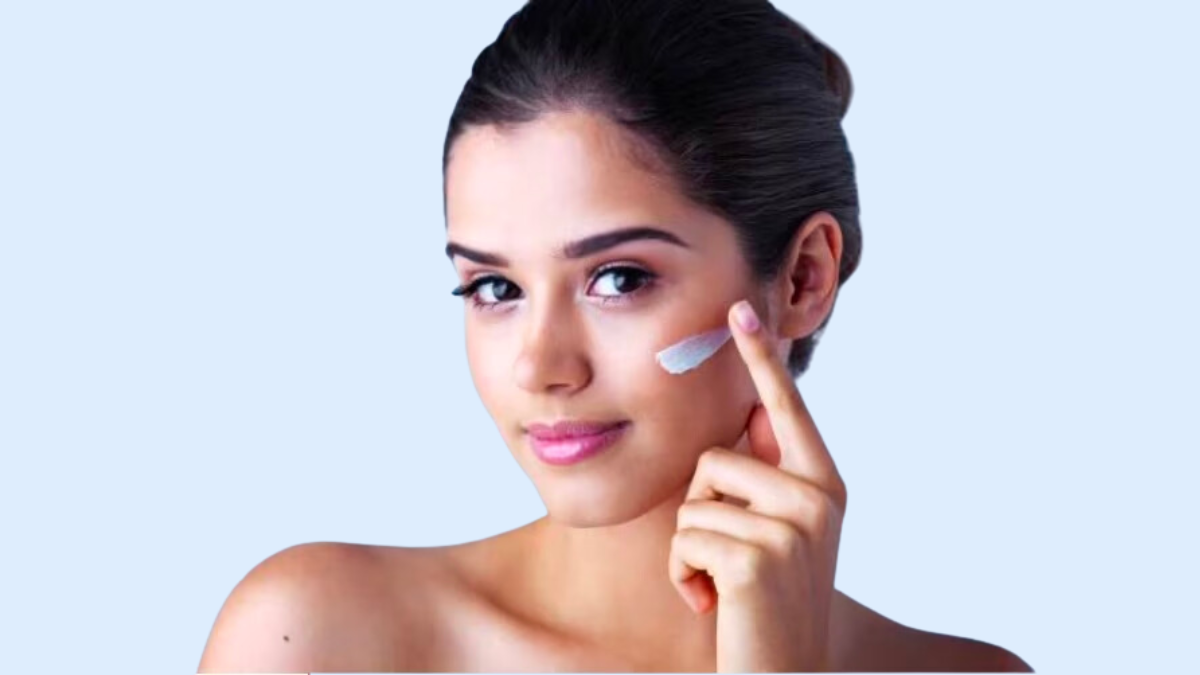
Reduce skin irritation
It's essential to stress the significance of sunscreen in your tretinoin routine. Tretinoin increases your skin's sensitivity to the sun, making it more prone to damage. Therefore, regardless of the duration you choose for leaving tretinoin on your face, applying a broad-spectrum sunscreen with at least SPF 30 is non-negotiable. This not only protects your skin from harmful UV rays but also complements tretinoin's effects in preventing photoaging.
Lastly, start with a low concentration and work your way up the first few weeks. Apply moisturizer diligently as needed and enjoy the journey to better skin!