

Ozempic Face: Causes, Prevention, and Treatment
What Is Ozempic Face?
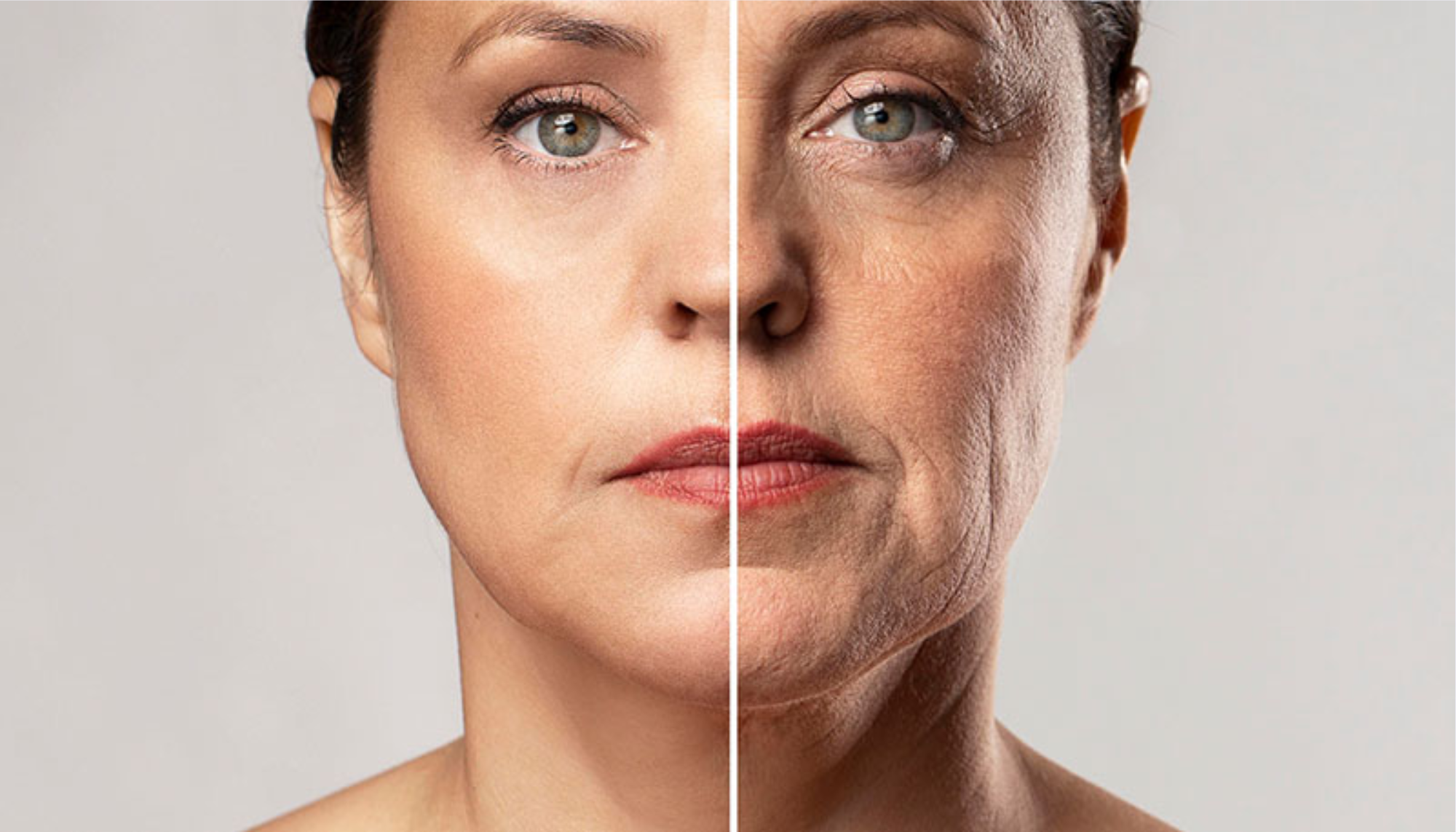
Facial volume loss, often referred to as Ozempic face, is a term used to describe facial changes, such as sagging or gauntness, that some people experience after significant weight loss while taking Ozempic (semaglutide). Ozempic is a medication primarily prescribed for type 2 diabetes and weight management, but its rapid fat-loss effects can sometimes lead to an aged or hollow facial appearance.
Understanding Ozempic and Weight Loss
Ozempic, also known as semaglutide, is primarily prescribed for managing type 2 diabetes. However, it has gained attention for its effectiveness in aiding weight loss through appetite suppression. Ozempic works by mimicking the hormone GLP-1, which plays a crucial role in regulating appetite and satiety. By reducing appetite and increasing feelings of fullness, Ozempic helps individuals consume fewer calories, leading to weight loss. Administered via a once-weekly injection, Ozempic has shown promising results in promoting weight loss, particularly in individuals struggling with obesity.
Why Does Ozempic Face Happen with Rapid Weight Loss?
The primary reason for Ozempic face is rapid weight loss. This significant reduction in body weight can lead to various side effects, including changes in facial appearance. When the body sheds fat quickly, it doesn’t just lose fat from the waist or thighs—it also loses fat from the face. Facial fat plays a crucial role in keeping skin looking plump and youthful. Without it, skin may appear looser, leading to wrinkles, hollow cheeks, and an overall aged look.
Rapid weight loss can also affect collagen production, leading to changes in skin elasticity.
Ozempic is primarily used to control blood sugar levels in individuals with type 2 diabetes. This medication helps manage diabetes and protect kidney function. However, it also leads to substantial weight loss, which can result in sagging skin, particularly in the face, and concerns about overall skin appearance and elasticity.
Ozempic Face vs. Other Weight Loss Medications
While the term “Ozempic face” specifically refers to the facial changes associated with weight loss on Ozempic, it’s important to note that other weight loss medications can cause similar effects. For instance, Wegovy, another medication containing semaglutide, has also been reported to cause facial changes such as sagging skin and loss of facial fat.
Additionally, medications like phentermine and orlistat, which are used to promote weight loss, can lead to rapid weight loss and subsequent facial changes. The extent and severity of these changes can vary depending on the individual and the specific medication used, but the underlying cause is often the same: rapid weight loss leading to a reduction in facial fat and skin elasticity. Facial rejuvenation treatments can help mitigate the effects of facial changes caused by weight loss medications.
Who Is at Risk for Ozempic Face and Changes in Facial Appearance?
Anyone experiencing significant weight loss, whether from Ozempic or other weight-loss methods, may notice facial changes. Global facial volume loss is a risk factor that can necessitate significant financial investment in fillers or even facial plastic surgery to restore a youthful appearance, especially for older patients. However, those at higher risk include:
-
Individuals over 40, as collagen and elastin production naturally decline with age.
-
People who are losing weight quickly, as rapid weight loss can lead to issues such as sagging skin, hollowness in the cheeks, and a gaunt facial appearance.
-
Those with naturally thin or less elastic skin.
Skin tightening treatments can help those at higher risk for Ozempic face.
Hair Loss and Ozempic
There is no direct evidence to suggest that Ozempic causes hair loss. However, rapid weight loss, which can occur with the use of Ozempic, can sometimes lead to temporary hair shedding, a condition known as telogen effluvium. This type of hair loss is a common side effect of significant weight loss, regardless of the method used to achieve it.
The stress that rapid weight loss places on the body can trigger this temporary hair shedding. It’s important to understand that hair loss is not a direct side effect of Ozempic or other weight loss medications, but rather a potential consequence of the rapid weight loss that these medications can induce.
How to Prevent Ozempic Face and Maintain Skin Elasticity
While weight loss inevitably affects facial fullness, there are steps you can take to minimize these effects:
-
Lose Weight Gradually: Slower weight loss allows the skin more time to adjust, reducing sagging. Rapid weight loss can lead to loose skin, particularly in the face, creating a gaunt appearance and exacerbating signs of aging like wrinkles and exaggerated lines.
-
Stay Hydrated: Proper hydration supports skin elasticity.
-
Eat a Collagen-Boosting Diet: Foods rich in collagen, such as bone broth, fish, and leafy greens, may help maintain skin elasticity.
-
Use Skincare Products with Retinol and Hyaluronic Acid: These ingredients promote collagen production and hydration.
-
Facial Exercises: Some believe facial exercises can tone muscles and improve skin tightness, although scientific evidence is limited.
Facial fillers can help maintain facial volume and reduce the appearance of sagging skin.
Managing Skin Changes with Ozempic
Managing skin changes while using Ozempic involves a combination of skincare routines, lifestyle adjustments, and medical treatments. Here are some practical tips to help you maintain your skin’s health and elasticity:
-
Moisturize Regularly: Keeping your skin hydrated is crucial for maintaining its elasticity and firmness. Opt for a gentle, non-comedogenic moisturizer that suits your skin type to prevent sagging skin and maintain facial volume.
-
Protect Your Skin from the Sun: UV rays can exacerbate skin damage and sagging. Use a broad-spectrum sunscreen with at least SPF 30 daily, and wear protective clothing when outdoors to safeguard your skin.
-
Exfoliate Gently: Regular exfoliation helps remove dead skin cells and promotes cell turnover. Choose a gentle exfoliating scrub or a chemical exfoliant containing alpha-hydroxy acids (AHAs) or beta-hydroxy acids (BHAs) to keep your skin smooth and vibrant.
-
Use Facial Massage: Incorporating facial massage into your routine can improve blood circulation, reduce puffiness, and promote lymphatic drainage. Use gentle, upward strokes to massage your face, enhancing skin tightness and overall appearance.
-
Consider Facial Fillers: If you’re experiencing significant facial volume loss, facial fillers like hyaluronic acid or calcium hydroxylapatite can help restore lost volume and reduce sagging skin. Consult with a dermatologist or plastic surgeon to determine the best option for your needs.
-
Maintain a Healthy Lifestyle: A balanced diet rich in fruits, vegetables, and omega-3 fatty acids supports skin health. Regular exercise improves circulation and boosts collagen production, contributing to firmer, more elastic skin.
-
Stay Hydrated: It is important to drink plenty of water when maintaining skin hydration and elasticity. Studies show that drinking at least eight glasses of water a day keep your skin hydrated.
By incorporating these tips into your daily routine, you can help manage the skin changes associated with Ozempic and maintain a youthful, healthy appearance.
Treatment Options for Ozempic Face and Restoring Facial Volume
If you’ve already noticed changes in your face, there are various cosmetic and dermatological treatments available. Facial volume loss is a common issue, especially due to rapid weight loss from medications like Ozempic. Treatments to restore facial volume are essential to counteract sagging and maintain a youthful appearance:
-
Dermal Fillers: Hyaluronic acid fillers restore lost facial volume, making the face appear fuller and more youthful.
-
Collagen-Stimulating Treatments: Procedures such as microneedling, laser therapy, and radiofrequency treatments encourage collagen production.
-
Skin Tightening Procedures: Ultrasound and radiofrequency-based treatments can help firm sagging skin.
-
Facelift or Mini-Lift: For severe cases, a surgical facelift may be the most effective long-term solution.
Alternatives to Ozempic for Weight Loss
While Ozempic is a highly effective weight loss medication, it may not be suitable for everyone. Here are some alternative weight loss medications and treatments to consider:
-
Wegovy: Similar to Ozempic, Wegovy is a GLP-1 receptor agonist approved for chronic weight management in adults with obesity. It works by regulating appetite and promoting satiety.
-
Saxenda: Another GLP-1 receptor agonist, Saxenda is administered via a daily injection and is approved for chronic weight management in adults with obesity. It helps reduce appetite and increase feelings of fullness.
-
Qsymia: This combination medication contains phentermine and topiramate and is approved for chronic weight management in adults with obesity. It works by suppressing appetite and increasing energy expenditure.
-
Contrave: Contrave combines bupropion and naltrexone to aid in weight loss. It is approved for chronic weight management in adults with obesity and works by affecting the brain’s reward system to reduce cravings.
-
Orlistat: Available over-the-counter as Alli or by prescription as Xenical, Orlistat is a lipase inhibitor that helps with weight loss by preventing the absorption of dietary fats.
-
Bariatric Surgery: For individuals with severe obesity (BMI of 40 or higher), bariatric surgery can be an effective weight loss solution. Procedures like gastric bypass or sleeve gastrectomy can significantly reduce body weight and improve overall health.
-
Lifestyle Modifications: Making healthy lifestyle changes, such as adopting a balanced diet and engaging in regular physical activity, is fundamental for weight loss. Consulting with a registered dietitian or healthcare professional can help you create a personalized weight loss plan.
Always remember, it’s crucial to consult with a healthcare professional before starting any weight loss medication or treatment, as there can be serious side effects. They can help you determine the best course of action based on your individual needs and health status.
Final Thoughts
Ozempic and other weight loss drugs are effective tools for weight loss and diabetes management, but their impact on facial appearance, often referred to as 'Ozempic face,' can be concerning. By taking preventive measures and considering treatment options, you can maintain a youthful look while reaping the health benefits of weight loss. If you’re experiencing significant facial changes, consult a dermatologist or aesthetic specialist to explore the best solutions for you.