

The side effects of laser treatment on the face
Redness and Swelling After Laser Facial Treatments: Understanding the Causes and Management
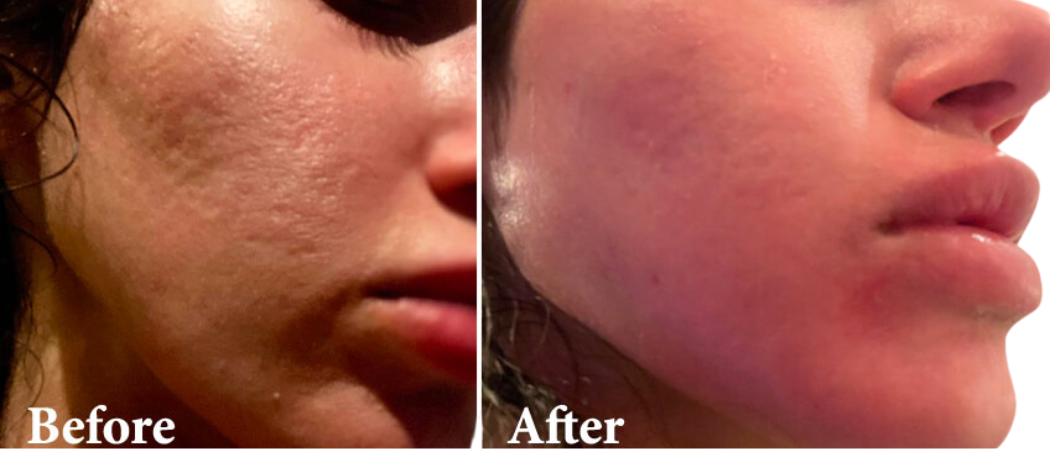
Redness and swelling are common side effects experienced by individuals undergoing laser facial treatments. While these symptoms typically resemble sunburn and are usually temporary, understanding their causes and proper management is essential for a successful treatment experience. It also sets up expectations after your procedure. When undergoing laser skin resurfacing or another kind of laser therapy, you need to know if any downtime is needed.
Causes of Redness and Swelling
Inflammation
Laser treatments work bringing concentrated beams of light energy to targeted areas of the skin. The treated skin area will most likely experience some redness. This process stimulates the body's natural healing response, leading to inflammation, which manifests as redness and swelling.
Skin Sensitivity
Individuals with sensitive skin may experience more pronounced redness and swelling following laser treatments. Laser technology will be harsh on sensitive skin. Whole areas can be very black or blue hours after treatment. Factors such as skin type, treatment intensity, and the specific laser used can influence the severity of these side effects.
Vascular Response
Some lasers target blood vessels in the skin to treat conditions like rosacea or vascular lesions. The temporary dilation of blood vessels in response to laser energy can contribute to redness and swelling immediately after treatment. These types of "cosmetic surgery" will need to be continued for desired results.
Management of Redness and Swelling
Cool Compresses
Applying cool compresses to the treated area can help alleviate redness and swelling by constricting blood vessels and reducing inflammation. Avoid using ice directly on the skin to prevent frostbite or further irritation.
Topical Treatments
Dermatologists may recommend topical creams or ointments containing soothing ingredients such as aloe vera, chamomile, or corticosteroids to calm irritated skin and reduce redness and swelling.
Hydration
Keep the skin well-hydrated to promote healing and reduce inflammation. Drink plenty of water and use a gentle, hydrating moisturizer to maintain skin moisture levels. Remember to moisturize regularly while the skin begins the recovery process.
Avoiding Irritants
Avoid harsh skincare products, exfoliants, and makeup immediately following laser treatment, as they can exacerbate redness and swelling. Opt for gentle, non-comedogenic products to soothe and protect the skin.
Sun Protection
Protecting the skin from sun exposure is essential, as UV radiation can worsen redness and prolong healing time. Apply a broad-spectrum sunscreen with an SPF of 30 or higher and wear protective clothing and accessories when outdoors. This is very important, because as we know the Sun can cause many skin ailments and conditions.
Follow Post-Treatment Instructions:
Adhering to post-treatment instructions provided by your dermatologist is crucial for optimizing results and minimizing side effects. Avoiding sun exposure, staying hydrated, and practicing gentle skincare are typically recommended.
While redness and swelling are common side effects of laser facial treatments, they usually subside within a few days to a week, depending on the intensity of the treatment and individual skin sensitivity. If these symptoms persist or worsen over time, it's essential to consult with your dermatologist for further evaluation and guidance.
Understanding Pigment Changes After Laser Facial Treatments
Pigment changes, including hyperpigmentation (darkening of the skin) and hypopigmentation (lightening of the skin), are potential side effects of laser facial treatments. While these changes are typically temporary, understanding the causes and risk factors can help individuals make informed decisions about their skincare treatments.
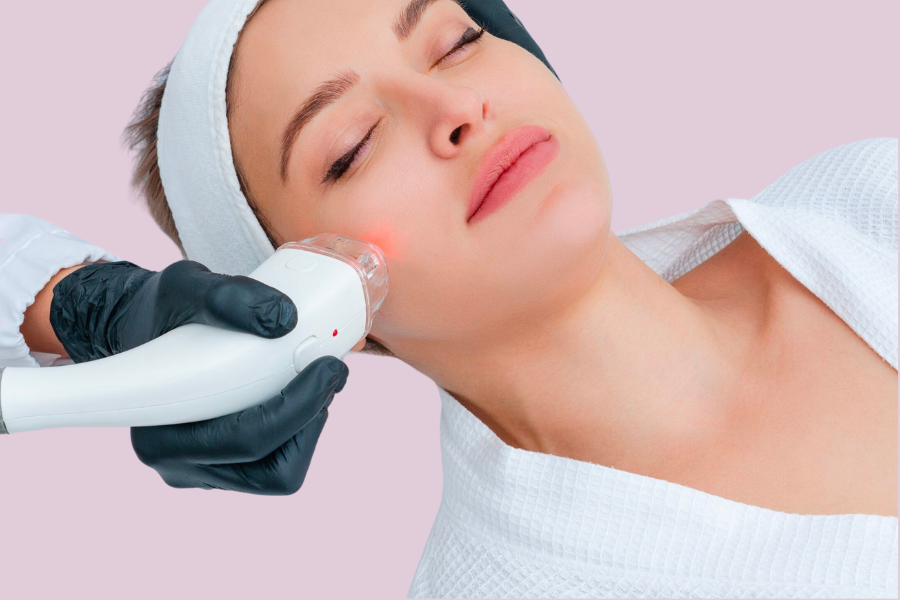
People undergo cosmetic procedures for various reasons. Skin laser therapy is a procedure to get rid of coloring on the skin or to smooth out the skin because of acne scars among others. So, you are usually trying to change the pigment to some degree be honest about the potential risks or changes to your face.
Causes of Pigment Changes
-
Melanin Response: Laser treatments target pigment-containing cells in the skin, such as melanocytes, to address concerns like sunspots, age spots, dark spots, and hyperpigmentation. However, the body's melanin response to laser energy can sometimes lead to unwanted pigment changes.
-
Treatment Intensity: The intensity of the laser treatment, including energy level and treatment depth, can influence the risk of pigment changes. Aggressive treatments or those targeting deeper layers of the skin carry a higher risk of pigment alterations. The deeper under the skin's surface usually the more permanent the result.
-
Skin Type: Individuals with darker skin tones are more susceptible to pigment changes following laser treatments. Higher levels of melanin in the skin increase the risk of post-inflammatory hyperpigmentation or hypopigmentation.
Management of Pigment Changes
-
Sun Protection: Protecting the skin from sun exposure is crucial for preventing further pigment changes and promoting healing. Apply a broad-spectrum sunscreen with an SPF of 30 or higher, and wear protective clothing and accessories when outdoors.
-
Topical Treatments: Dermatologists may prescribe topical treatments containing ingredients such as hydroquinone, kojic acid, or retinoids to help lighten hyperpigmented areas and promote even skin tone. These treatments should be used under medical supervision to avoid adverse effects.
-
Avoiding Irritants: Harsh skincare products, exfoliants, and abrasive treatments should be avoided following laser treatment, as they can create worse pigment changes and prolong healing time. Opt for gentle, non-irritating skincare products to soothe and protect the skin.
-
Follow-Up Treatments: In some cases, follow-up laser treatments or alternative therapies may be recommended to address persistent pigment changes or achieve desired results. Often if you want to use laser treatment, you may need to schedule multiple visits.
-
The doctor will need to see how the skin heals and determine what kind of intensity treatment should be next. Consulting with a dermatologist can help determine the most appropriate treatment approach.
-
Patience and Time: Pigment changes following laser treatments often resolve on their own over time as the skin heals and regenerates. Patience is key, and it's essential to allow sufficient time for the skin to recover fully before assessing treatment outcomes.
-
Another factor to consider is the amount of these specific treatments. Many insurance policies won't cover them because they fall under cosmetic procedures.
While pigment changes are potential side effects of laser facial treatments, they are usually temporary and can be effectively managed with proper skin care and medical guidance. Consulting with a qualified dermatologist or laser specialist before undergoing treatment can help minimize the risk of pigment changes and optimize treatment outcomes.
Understanding the Risk of Scarring After Laser Facial Treatments
Scarring is a rare but potential complication of laser facial treatments, particularly with ablative lasers or aggressive treatment settings. While laser treatments are generally safe when performed by a qualified and experienced practitioner, understanding the risk factors and proper management of scarring is essential for ensuring a successful treatment outcome.
Patient education is imperative when researching and evaluating potential risks. Understanding all risk factors will help with weighing the benefits of effective treatment. Recovery time could be anywhere from one day up to two weeks or more.
Causes of Scarring
-
Skin Damage: Ablative lasers, such as carbon dioxide (CO2) lasers, remove the outer layers of skin to promote collagen production and skin regeneration. However, if the laser energy is too intense or the treatment is not properly administered, it can result in excessive skin damage and scarring.
-
Poor Healing Response: Individual differences in healing response will influence the risk of scarring following laser treatments. Factors such as age, skin type, and underlying health conditions can affect the skin's ability to heal properly and may increase the likelihood of scarring. Broken blood vessels can increase the amount of scarring or bruising in the face.
-
Infection: Any procedure that disrupts the skin barrier carries a risk of infection, which can lead to delayed healing and increased scarring. Proper wound care and infection prevention measures are essential for minimizing this risk.
Management of Scarring
-
Early Intervention: Early identification and treatment of signs of scarring, such as excessive redness, swelling, or delayed healing, are crucial for preventing further damage and promoting optimal healing. Consulting with a dermatologist or healthcare provider at the first sign of concern is recommended.
-
Topical Treatments: Dermatologists may prescribe topical treatments, such as silicone gel or sheeting, to help minimize the appearance of scars and promote healing. These treatments work by creating a protective barrier over the scarred area and improving hydration and collagen production. Follow the instructions for the best results.
-
Steroid Injections: In some cases, a dermatologist could recommend steroid injections to reduce inflammation and flatten raised scars. These injections are typically administered directly into the scar tissue and may require multiple treatments for optimal results.
-
Laser Revision: In cases where scarring is significant or persistent, laser revision treatments may be considered to improve the appearance of scars. Laser resurfacing, for example, can target scar tissue and stimulate collagen production, helping to soften the appearance of scars and improve skin texture.
-
Surgical Intervention: In severe cases of scarring, surgical intervention may be necessary to excise scar tissue and restore a smoother skin surface. Procedures such as scar revision surgery or skin grafting may be performed by a plastic surgeon to improve the appearance of scars.
-
Prevention Measures: Taking proactive measures to prevent scarring is essential, particularly for individuals undergoing laser treatments for the first time or those with a history of poor healing or scarring. Following pre-treatment and post-treatment instructions provided by your dermatologist can help minimize the risk of scarring and promote optimal healing.
While scarring is a potential complication of laser facial treatments, it is rare and can often be effectively managed with appropriate medical care and intervention. Choosing a qualified and experienced practitioner, adhering to proper treatment protocols, and closely following post-treatment care instructions are essential for minimizing the risk of scarring and achieving optimal treatment outcomes.
Understanding Blistering and Crusting After Laser Facial Treatments
Blistering and crusting are common side effects experienced by individuals undergoing laser facial treatments, particularly with ablative lasers or aggressive treatment settings. While these symptoms can be alarming, understanding their causes and proper management is essential for a successful treatment outcome. Like the other risks, many of these will be the same care and monitor any sudden changes in the skin color or texture.
They are usually temporary and resolve on their own as the skin heals. Proper wound care, including gentle cleansing, moisturization, and protection, is essential for promoting optimal healing and minimizing the risk of complications. If you experience excessive or prolonged blistering and crusting, or if you have concerns about your healing progress, contact your dermatologist for further evaluation and guidance.
Understanding the causes and proper management of blistering and crusting after laser facial treatments, individuals can navigate the healing process more effectively and minimize the risk of complications. Consulting with a qualified dermatologist or laser specialist before undergoing treatment can help ensure proper treatment planning and post-treatment care, leading to a safer and more successful treatment experience.
The Risk of Infection After Laser Facial Treatments: Prevention and Management
Infection is a potential complication of laser facial treatments, particularly when the skin barrier is compromised or exposed to environmental contaminants. A bacterial infection isn't the end of the world oftentimes but needs to be monitored.
Understanding the risk factors, signs of infection, and proper prevention measures will help minimize the risk of complications and promote optimal healing. Proper care of open wounds will prevent the risk of bacterial infections, and lead to positive results from laser therapy.
Risk Factors for Infection:
-
Skin Barrier Disruption: Laser treatments disrupt the skin barrier, making it more susceptible to bacterial, viral, or fungal infections. Proper wound care and infection prevention measures are essential for minimizing the risk of infection following laser treatments.
-
Environmental Contaminants: Exposure to environmental contaminants, such as dust, dirt, or bacteria, can increase the risk of infection, especially if they come into contact with the treated area during the healing process. Avoiding exposure to contaminated environments and practicing proper hygiene can help reduce this risk.
-
Weakened Immune System: Individuals with weakened immune systems, either due to underlying medical conditions or medications, are at increased risk of infection following laser treatments. It's essential to disclose any relevant medical history or medications to your healthcare provider before undergoing treatment.
Signs of Infection:
-
Increased Redness or Swelling: While some redness and swelling are normal after laser treatment, an increase in the severity or persistence of these symptoms may indicate an underlying infection. Monitor the treated area closely and contact your dermatologist if you notice any concerning changes.
-
Pain or Discomfort: Persistent or worsening pain, tenderness, or discomfort in the treated area may be a sign of infection. Pain that is not alleviated by over-the-counter pain relievers should be evaluated by a healthcare professional.
-
Heat or Fever: A localized increase in skin temperature or fever may indicate an inflammatory response or systemic infection. Contact your healthcare provider immediately if you experience fever or chills after laser treatment.
Prevention and Management of Infection:
-
Proper Wound Care: Following proper wound care instructions provided by your dermatologist is crucial for preventing infection and promoting optimal healing. Keep the treated area clean and dry, and avoid touching or scratching the skin to minimize the risk of contamination.
-
Antibacterial Ointments: Your dermatologist may recommend applying antibacterial ointments or creams to the treated area to reduce the risk of infection. Follow your healthcare provider's instructions regarding the frequency and duration of antibiotic treatment.
-
Avoiding Irritants: Harsh skincare products, abrasive treatments, or environmental irritants should be avoided during the healing process to minimize the risk of infection and promote optimal healing. Stick to gentle, non-irritating skincare products and avoid exposure to contaminated environments.
-
Follow-Up Care: Attend scheduled follow-up appointments with your dermatologist to monitor healing progress and address any concerns or complications that may arise. Your healthcare provider can assess the treated area for signs of infection and provide appropriate treatment if necessary.
-
Hygiene Practices: Practicing good hygiene is essential for preventing infection after laser treatments. Wash your hands thoroughly before and after touching the treated area, and use clean towels and bedding to avoid introducing bacteria or other pathogens to the skin. Avoid sharing personal items such as towels, razors, or makeup brushes to minimize the risk of cross-contamination.
-
Pre-Treatment Screening: Before undergoing laser facial treatments, it's important to undergo a thorough pre-treatment screening with your dermatologist or healthcare provider. They will evaluate your medical history, current medications, and any existing skin conditions to assess your suitability for the procedure. By identifying potential risk factors or contraindications, your healthcare provider can help minimize the risk of infection and other complications during and after treatment.
-
Maintaining Overall Health: Taking care of your overall health can also help reduce the risk of infection and promote optimal healing after laser facial treatments. This includes maintaining a healthy diet, staying hydrated, getting adequate rest, and managing stress levels. A strong immune system and overall wellness can support the body's natural healing processes and reduce susceptibility to infections.
In conclusion, while infection is a potential complication of laser facial treatments, proper wound care, infection prevention measures, and close monitoring can help minimize the risk of complications and promote optimal healing. By understanding the risk factors, signs of infection, and proper prevention measures, individuals can navigate the healing process more effectively and achieve successful treatment outcomes. If you suspect an infection or have concerns about your healing progress, contact your dermatologist for prompt evaluation and treatment.
By incorporating these additional prevention measures into your laser treatment journey, you can further minimize the risk of infection and other complications, promoting a smoother and more successful recovery process. Remember to prioritize communication with your healthcare provider, adhere to recommended aftercare guidelines, and remain vigilant in monitoring for any signs of infection or other concerns. With proper care and attention, you can enhance the safety and effectiveness of your laser facial treatments and achieve the desired results with confidence.