

What are the Elements of Beauty? Exploring the Key Factors That Define Beauty
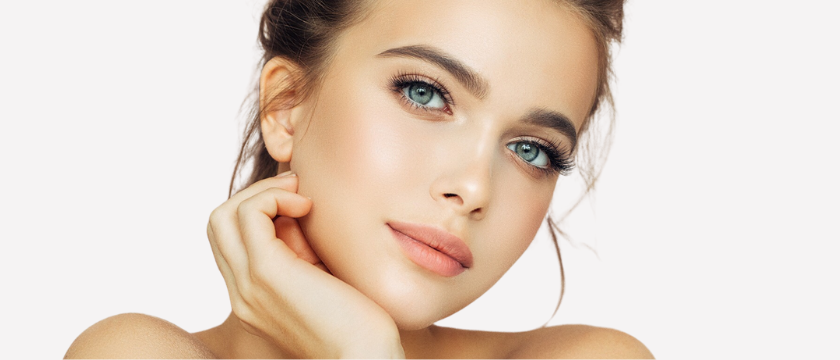
Beauty is a concept that has intrigued humanity for centuries. Beauty can be subjective, but there is a certain standard that equates to beauty.
Across different cultures and periods, the idea of beauty has evolved and expanded, reflecting a complex interplay of physical, emotional, and social factors. But what exactly makes something or someone beautiful?
Is it purely physical attributes, or does it go deeper into personality and emotions? In this article, we explore the essential elements of beauty, looking beyond the surface to understand what truly defines it.
I think beauty can be defined in many different ways, and we'll talk about other factors to consider below.
Physical Elements of Beauty
Symmetry and Proportions
One of the most universally recognized elements of beauty is symmetry. From ancient Greece to modern times, symmetrical features are often considered more attractive. The human brain is naturally wired to find symmetrical faces and bodies that are more pleasing because symmetry is often associated with health, vitality, and genetic fitness.
This idea is rooted in evolutionary biology, where symmetrical traits signal a strong immune system and a higher likelihood of reproductive success.
The concept of the "Golden Ratio," a mathematical formula that defines ideal proportions, has also played a significant role in our perception of beauty. The ratio, approximately 1.618:1, can be found in nature, art, and even the human face.
Artists and architects have used it for centuries to create aesthetically pleasing designs, and it’s still referenced in discussions of facial attractiveness today.
Healthy Skin and Complexion
Healthy skin is another critical element of beauty. Clear skin with an even complexion signals good health, proper hydration, and a balanced diet. A beauty routine can help with achieving these goals.
This has been a universal standard of beauty for millennia. In ancient civilizations, from Egypt to China, smooth and clear skin was associated with youthfulness and vitality. When defining beauty, skin conditions always come into play.
While clear skin is generally considered attractive, the preferred skin tone varies across cultures. In some cultures, fair skin has historically been prized, while in others, a tan complexion symbolizes wealth, leisure, and health.
The beauty of the world is throughout history everybody is different. Regardless of the specific tone, skin health is universally regarded as a reflection of beauty.
Now you will see in certain cultures, especially American culture that there are certain looks that people try to achieve. The influence comes from reality shows, social media trends, etc. The right proportion is something people have focused on in recent years. It's all speculative in theory but being healthy is an often desired look for the majority.
Youthfulness and Vitality
Youthfulness is often linked to beauty, primarily because youthful features, such as smooth skin, full lips, and bright eyes, are indicators of fertility and vitality.
Evolutionary psychology suggests that we are biologically programmed to find youthful appearances more attractive because they signal reproductive potential. However, youthfulness does not just refer to age; it can also manifest in energy, posture, and overall vitality.
As people age, maintaining a sense of youth through skincare, exercise, and healthy living becomes increasingly important in modern beauty standards. The global beauty industry, worth billions of dollars, thrives on products and treatments designed to preserve youthful appearances. There are so many case studies on different beauty routines and ingredients to help achieve these natural youthful looks.
Body Shape and Fitness

Body shape plays a significant role in how beauty is perceived, although the "ideal" body has varied dramatically across time and cultures. In Western society, the hourglass figure (characterized by a defined waist, fuller hips, and bust) has been a classic symbol of feminine beauty, while lean, muscular physiques are often prized by men. These ideas, however, are not universal.
Physical fitness does have its place though. Being in proper fitness, a healthy weight and strength in your bones can all lead to life longevity. History has shown back to ancient times that some of the most physically fit people were thought of as gods. Back then they used natural ingredients to achieve these results.
In other cultures, fuller body shapes are seen as symbols of wealth and fertility. Regardless of the specifics, a healthy, fit body is generally considered more attractive because it signals physical well-being and strength. Fitness trends have only intensified this focus on the body, with people across the world adopting exercise and diet regimes to align with current beauty standards.
Psychological and Emotional Aspects of Beauty
Confidence and Charisma
While physical traits are important, they are far from the only factors that define beauty. Confidence is a powerful, intangible element that significantly enhances a person's attractiveness. A person who carries themselves with confidence exudes charisma, which draws others in and makes them appear more beautiful.
Confidence can sometimes compensate for physical imperfections, and many people report that they find someone more attractive once they observe their self-assuredness. It’s often said that beauty begins from within, and confidence is a perfect example of this.
Some women will say that they find confidence as their favorite trait in a partner. It also works vice-versa, somebody who is not sure of themselves can give off vibes that aren't desired.
Kindness and Warmth
Another key component of beauty is kindness. A warm, kind demeanor can transform someone's appearance, making them more appealing to others. Inner beauty, characterized by traits like empathy, generosity, and caring nature, plays an essential role in how people perceive physical beauty.
Studies have shown that people tend to rate those with positive character traits as more attractive, even if they don’t initially fit conventional beauty standards. In this way, emotional and psychological traits such as warmth and kindness can enhance a person’s overall beauty.
Personality and Individuality
Individuality is an essential aspect of beauty that goes beyond physical appearance. People who embrace their unique traits and quirks often stand out in a way that is attractive to others.
Personality traits such as humor, creativity, and intelligence add depth to physical beauty, creating a more comprehensive and appealing image.
A striking example of this is how some celebrities or public figures become universally recognized for their beauty, not just because of their physical appearance, but because of their charisma, intellect, or unique style.
The idea of beauty as an expression of individuality continues to grow, particularly in a world that increasingly values diversity and authenticity. This also leads back to confidence. When you are different and confident about it, people can be attracted to that type of person.
Cultural Influences
Cultural context plays a crucial role in shaping our understanding of beauty. Beauty standards vary widely across different societies, and what is considered beautiful in one culture may not be regarded the same way in another.
For instance, while slim bodies may be idealized in some Western societies, fuller figures are celebrated in various African and South Pacific cultures.
Moreover, beauty standards change over time within the same culture. The curvaceous figures of the 1950s, epitomized by icons like Marilyn Monroe, were replaced by the slim-down look of the 1990s supermodels, and today, a more athletic, toned body is in vogue. These trends reflect not only cultural values but also the impact of media and popular culture.
Fashion and Aesthetic Expression
Clothing and Style
Fashion is a vital part of how we present and perceive beauty. Clothing choices allow individuals to express their personality, enhance their features, and align with or rebel against beauty standards. Trends in fashion evolve quickly, but personal style often transcends these trends, allowing individuals to create a unique identity.
The clothes we wear can dramatically change how others perceive us. A well-fitted outfit can highlight physical features or project confidence, while bold choices in fashion can reflect individuality and creativity.
A well-tailored suit for instance is more pleasing than a one that is too big and baggy. throughout the years these styles often changed as well, and a consensus has formed.
Hair and Grooming
Hair is another significant aspect of beauty, and hairstyles often shift with cultural trends. Hair can be styled to reflect personal identity, cultural heritage, or even political and social movements. Grooming habits, including how we maintain our hair, nails, and overall hygiene, also contribute to our perception of beauty.
For example, in many cultures, long, thick hair is seen as a symbol of femininity and beauty, while clean, well-maintained hairstyles are universally appealing.

Makeup and Enhancement
Makeup has played a role in enhancing beauty for centuries. From ancient Egyptian kohl eyeliner to the smoky eyes of modern fashion, makeup is often used to accentuate features, enhance symmetry, and express creativity. The global cosmetics industry thrives on the desire to enhance natural beauty, whether through subtle applications or bold, artistic expressions.
Cosmetic enhancements, such as plastic surgery, have also become more accepted, further expanding the ways people can align their physical appearance with their vision of beauty. While controversial to some, these practices reflect society’s evolving relationship with beauty standards. It's good to incorporate natural ingredients into your beauty routine.
The Role of Media and Social Perception
Beauty in the Age of Social Media
Social media platforms like Instagram, TikTok, and YouTube have revolutionized how beauty is presented and perceived. With filters, editing tools, and the rise of influencers, modern beauty standards are more visible and attainable, but also more unrealistic than ever before.
The constant exposure to idealized images can influence people’s self-esteem and reshape beauty standards on a global scale.
However, social media has also broadened the definition of beauty, giving rise to movements like body positivity, which champions all body types and celebrates diverse representations of beauty.
The Changing Faces of Beauty
The beauty industry is slowly shifting towards inclusivity. From fashion magazines to ad campaigns, there is now a more significant push to represent a broader spectrum of beauty, including different ethnicities, body types, and ages. This change reflects a growing awareness that beauty cannot be confined to one ideal or standard but should instead embrace diversity.
Celebrity Influence
Celebrities have long been trendsetters in the world of beauty. Their influence on fashion, hairstyles, and makeup trends often trickles down to the masses. Whether it’s the iconic red lipstick of Marilyn Monroe or the contouring techniques popularized by Kim Kardashian, celebrities shape what society deems beautiful.
The Science of Beauty: Evolutionary Perspectives
Biological Attraction
From an evolutionary standpoint, certain physical traits are universally attractive because they signal health and reproductive potential. Clear skin, symmetrical features, and a fit body are indicators of genetic fitness, making individuals with these traits more attractive from a biological perspective.
Survival and Reproduction
Many elements of beauty are linked to evolutionary survival and reproduction. For example, full lips and youthful features are associated with fertility, while physical strength and fitness in men are linked to the ability to provide and protect.
Cultural Evolution of Beauty
Though biology plays a significant role in determining beauty, cultural factors also shape our preferences. Over time, societies have developed their standards of beauty, influenced by art, religion, and even politics. For instance, during times of famine, fuller figures were often more desirable, while in eras of abundance, slimmer figures became idealized.
Wrapping Up
As you can see, there are so many different elements that beauty takes into account. There is no reason to fret over one facet of what you think beauty is. It can be physical, psychological, or spiritual. Emotional and cultural dimensions come into play when considering beauty.
While symmetry, youthfulness, and clear skin are universally recognized markers of beauty, traits like confidence, kindness, and individuality also play a crucial role.
As society becomes more inclusive, the definition of beauty continues to evolve, moving beyond superficial standards to embrace diversity and authenticity. Ultimately, true beauty comes from what's inside.