

The Essential Role of Shaving Cream: What Does Shaving Cream Do?
Shaving is a daily ritual for many people, both men, and women, and the use of shaving cream has become an integral part of this process. But, have you ever wondered what shaving cream actually does? For the majority of one's life, you might just think shaving cream and shaving go hand in hand. They do…How does shaving cream support the skin? In the rest of this article, we will dive into the many functions and benefits of shaving cream, shedding light on why it plays a crucial role in achieving a comfortable and effective shave.
Lubrication and Smoother Shaves
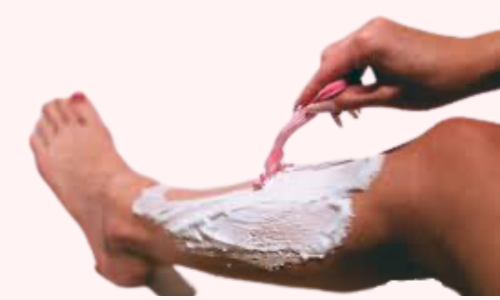
Shaving cream acts as a lubricant, creating a protective barrier between the razor blade and your skin. The thought of taking a sharp blade to the skin does not sound like we will have the smooth skin we all desire. The primary function of shaving cream is to reduce friction, allowing the razor to glide effortlessly over the skin's surface. This lubrication results in a smoother and more comfortable shaving experience.
Avoiding hair that’s pulling from the skin or even skin that gets nicked from the blade will be your best option in the shaving process. The formulation of shaving cream is designed to provide optimal slipperiness, preventing the blade from catching or dragging on the skin.
The lubricating properties of shaving cream serve multiple purposes. Firstly, they minimize the risk of cuts and nicks by ensuring the razor blade can smoothly pass over the skin without causing undue pressure or accidental slips. Think of your skin folding over into the blade, with a lubricated glide this should not occur when done correctly. Secondly, the reduction in friction helps to prevent razor burn, a common irritation that occurs due to repeated friction between the blade and the skin. Razor burn is uncomfortable and causes your skin to look like a plague of red rashes.
By offering a smoother glide, shaving cream significantly decreases the chances of razor burn and associated discomfort. Once again, it’s not completely going to prevent these issues but helps greatly. Personally, it's good practice to let the shaving cream sit on the skin for a minute or two so it can prep the hair and skin for shaving. Shaving too fast after putting shaving cream on can make it less effective.
Hydration and Hair Softening
In addition to lubrication, shaving cream plays a vital role in hydrating and softening the hair follicles. Let the formula soak on the skin before shaving to make the hair follicles softer for the blade. The rich formulation of shaving cream often incorporates moisturizing ingredients that penetrate the hair, making it easier to cut. This not only allows for a closer shave but also helps prevent the hair from tugging or pulling, reducing discomfort and the likelihood of skin irritation. Essentially what this whole article is about, avoiding irritation.
Shaving cream's hydrating properties are particularly beneficial for individuals with coarse or thick hair. Coarse hair tends to be more resistant and can pose challenges during shaving, leading to a higher risk of irritation or uneven results. By softening the hair, shaving cream helps the razor glide smoothly through the hair follicles, ensuring a more even and consistent shave.
The moisture provided by shaving cream also helps to maintain the hair's flexibility, reducing the chances of breakage or damage during the shaving process. There are many different shaving cream products out there. Look at the ingredients to ensure you are getting a hydrated shave.
Furthermore, the hydrating components of shaving cream helps moisturize the skin, keeping it supple and nourished. Shaving can strip the skin of its natural oils, leaving it dry and vulnerable to irritation. However, the inclusion of moisturizing ingredients in shaving cream helps counteract this effect, leaving the skin feeling hydrated and refreshed after shaving. It's wise to clean and moisturize the skin after shaving as well.
Protection against Irritation and Ingrown Hairs
Shaving cream acts as a protective shield for your skin during the shaving process. The thick lather it creates helps to cushion the razor, guarding against the sharp edges that could cause razor bumps, ingrown hairs, or skin irritation. By providing this protective layer, shaving cream helps maintain the skin's natural moisture balance while minimizing the chances of redness, itchiness, or post-shave inflammation.
Razor bumps, also known by the formal name (pseudofolliculitis barbae) occur when shaved hairs curl back into the skin, leading to inflammation and small bumps. Shaving cream's protective barrier reduces the likelihood of hairs curling back, as the blade is guided smoothly along the surface of the skin.
Softening the hair follicle will reduce the chances of it poking back into your skin. Additionally, the moisturizing properties of shaving cream helps to keep the skin hydrated, preventing it from drying out and becoming more prone to irritation or ingrown hairs.
Ingrown hairs can be a common issue, particularly for individuals with curly or coarse hair. When a hair follicle becomes trapped or grows back into the skin, it can cause inflammation, redness, and even infection. Ingrown hairs can also be quite painful. Shaving creams help to prevent this by softening the hair and providing a smoother surface for the razor to cut. This reduces the likelihood of the hair curling back or becoming embedded in the skin.
The difference between these two sometimes common ailments is razor bumps can look like a rash. Razor bumps will form usually in clusters of red-looking blisters. They form when the hair starts to grow back. Ingrown hairs usually form individually. They can be big in size and become infected in rare cases where they need to be surgically removed.
The protective layer of shaving cream also acts as a buffer between the razor blade and the skin, reducing the risk of friction-related irritation. Shaving can cause micro-abrasions on the skin's surface, leaving it vulnerable to redness, sensitivity, and discomfort.
Shaving cream's cushioning effect helps to minimize these abrasions and create a more comfortable shaving experience. It gives you more room for error, but make sure not to shave too quickly because this is often a cause of nicks, cuts, and other forms of irritation.
Enhanced Visibility and Precision
The application of shaving cream to the skin offers a visual advantage during shaving. The lather produced by shaving cream has a contrasting color against the skin, making it easier to see which areas have been shaved and which ones require attention. This enhanced visibility ensures a more thorough and even shave, leaving behind smoother skin and reducing the possibility of missed spots.
By providing a visual guide, shaving cream allows you to track your progress and maintain consistency across different areas of your face or body. It helps you identify areas that may need extra attention or where the hair growth patterns are more challenging to navigate. This improved visibility contributes to a more precise and cleaner shave, ensuring a polished and groomed appearance. It even helps show where not to use the razor on untreated skin where irritation is more likely.
Moreover, shaving cream's ability to create a thick lather helps to lift the hair away from the skin, making it softer and easier for the razor to cut through. This elevated hair positioning facilitates a closer shave, reducing the chances of stubble or missed hairs. The combination of visual clarity and improved hair exposure enables you to achieve a more professional and refined result.
Sensory Experience and Aromatherapy
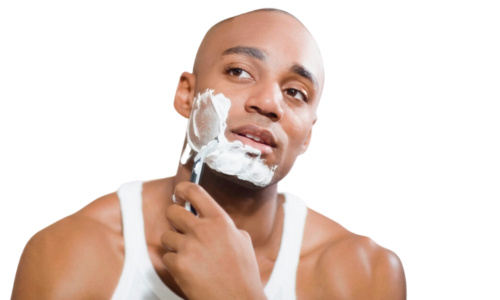
Beyond its practical functions, shaving cream offers a sensory experience that enhances the overall shaving ritual. Many shaving creams are infused with pleasant scents, such as citrus, sandalwood, or lavender, providing a refreshing, soothing, and invigorating aroma while you shave. This sensory aspect adds an extra touch of indulgence and relaxation to your grooming routine, leaving you feeling refreshed and revitalized.
The aromatherapy benefits of shaving cream contribute to the overall enjoyment and therapeutic effects of shaving. The fragrance can uplift your mood, creating a pleasant and calming atmosphere during the grooming process.
This sensory experience can be particularly beneficial in the morning, helping to awaken your senses and prepare you for the day ahead. Be sure to look at the ingredients of what the shaving cream is made with and understand how your skin reacts.
Additionally, shaving cream's texture and consistency provide a tactile experience. The creamy and luscious texture of the foam or gel feels soothing on the skin, adding a luxurious element to your shaving routine. The smooth application of shaving cream enhances overall sensory satisfaction, making the process more enjoyable and comfortable. Shaving cream or gel will leave the area with a sense of cooling to calm down potential irritation.
Directional Shave
Some people will tell you to shave in opposite directions to not make the hair grow back as coarse. Some will say never go against the grain, meaning the direction the hair tends to grow. The real answer will be to listen to your skin of course. If your skin is easily irritated it's genuinely best to shave down in the direction of the hair growth. This style will leave you with fewer problems. Depending on the amount of hair, you can try to go against the grain to possibly get a closer shave, with this style you must be much more careful and skilled to not cause burns, nicks, and cuts.
So, I would recommend going with the grain and starting from there. The whole alternating direction to generate less stubble is a myth. Remember to take into everything listed above within the article about your shaving cream needs and you will be fine.
Types of Shaving Creams
When looking at the different products for shaving cream, you might notice some differences. Essentially there are gels, creams, foams, and even soaps.
-
The gels are thinner in texture and lightweight. Shaving gels are modern formulations that come in a gel or gel-foam texture. They are typically dispensed from a pressurized can or a pump bottle. Shaving gels contain a combination of lubricants, moisturizers, and propellants. When dispensed, the gel transforms into a foam that provides a protective barrier between the razor and the skin. Shaving gels are often transparent, allowing for better visibility during shaving. They are convenient to use, as they require no additional tools like a brush, and they provide good lubrication and cushioning.
-
Shaving Soap: Shaving soap is one of the oldest forms of shaving lubricant. It usually comes in a solid puck or bar form and requires a shaving brush to create a lather. Shaving soaps are typically made from a combination of fats, oils, and water, which are whipped into a thick and creamy lather. The brush helps to generate the lather, which is then applied to the face. Shaving soaps provide excellent lubrication and can offer a rich and luxurious shaving experience.
-
Shaving Cream: Shaving creams are similar to shaving soaps but come in a creamy texture. They are typically sold in tubes or tubs. Shaving creams are formulated with water, oils, and emulsifiers to create a rich and dense lather. They can be applied directly to the face using the fingers or a brush. Shaving creams offer good lubrication and are easy to work with, providing a smooth shaving experience. Shaving cream is the old standard way of saying any type of shaving provider.
-
Shaving Foam: Shaving foams are similar to shaving gels in terms of texture but often have a lighter and airier consistency. They are dispensed from pressurized cans and come out as ready-to-use foam. Shaving foams are usually a combination of water, lubricants, propellants, and surfactants. The foam quickly expands upon contact with the air, making it easy to apply directly to the face. Shaving foams are convenient and offer decent lubrication, although they may not provide the same level of richness and cushioning as shaving soaps or creams.
Conclusion
Shaving cream is not just a cosmetic product but an essential tool for achieving a comfortable and effective shave. Its lubricating properties reduce friction, resulting in smoother and safer shaves while minimizing the risk of cuts, nicks, and razor burns. Think of it as prep work for the actual event. When you paint a house for example, usually use a primer to put underneath the actual paint. Or, if you’re not as handy, primer or pre-makeup before the actual makeup is put on the skin.
The moisturizing ingredients in shaving cream hydrate and soften both the hair and the skin, ensuring a closer shave and reducing the likelihood of irritation and ingrown hairs. We want to get the closest shave possible so it looks nice but also to be shaving less frequently.
Shaving cream provides a protective barrier, guarding against irritation and creating a buffer between the razor blade and the skin. The enhanced visibility it offers helps maintain precision and thoroughness during shaving, leaving behind smoother and more polished skin. Additionally, the sensory experience of shaving cream, with its aromatic scents and tactile pleasure, adds an extra dimension of enjoyment to the shaving process, making it a sensory indulgence.
Let's not forget the sensory aspect of shaving cream, which adds an extra touch of pleasure and relaxation to the shaving ritual. The aromatic scents and luxurious texture create an indulgent experience, uplifting the mood and invigorating the senses.
So, the next time you reach for your razor, remember the essential role that shaving cream plays in your grooming routine. Embrace its lubricating, hydrating, and protective properties, and enjoy the enhanced shaving experience it provides. Whether it's the smooth glide, the closer shave, or the sensory pleasure, shaving cream truly elevates the art of shaving to a new level of comfort and satisfaction.