

What Skincare Products Should Not Be Refrigerated?
In the skincare industry enthusiasts are constantly seeking ways to optimize their routines. This doesn't just start and end with customers, Companies are always trying new ways to achieve perfection. Refrigeration has gained popularity as a means to extend product shelf life, but it's crucial to discern which skincare items are incompatible with the cold.
We delve into the intricacies of skincare, exploring why certain products should avoid the refrigerator. This article provides nuanced insights into alternative storage solutions and gives you the knowledge to make informed decisions about your skincare regimen.
Products that Should Not be Refrigerated
Oil-Based Products
Oil-based skincare products, including facial oils and cleansers, involve a unique challenge in refrigeration. Cold temperatures lead to molecular changes, which causes these products to solidify and compromise. Storing them in a cool, dark place becomes imperative to maintain their feel and effectiveness.

Water-Based Products with Active Ingredients
Skincare enthusiasts often invest in water-based products with potent actives like vitamin C or hyaluronic acid. Refrigeration, however, can destabilize these ingredients, reducing their effectiveness. To preserve the potency of serums and toners, it's advisable to store them in a stable environment with a consistent, room temperature.
Emulsions
Moisturizers and lotions, categorized as emulsions, face challenges in refrigeration. They are water-based and lightweight. Cold temperatures can trigger ingredient separation, affecting both texture and performance. To ensure the effectiveness of emulsions, store them in a cool, dry place, avoiding the refrigerator.
Certain Fragile Ingredients
Skincare formulations often incorporate delicate ingredients like probiotics and peptides. Refrigeration jeopardizes their efficacy by compromising molecular structures. Checking labels for temperature-sensitive components and adhering to storage recommendations is crucial to preserve the benefits of these fragile ingredients.
Products in Pump Dispensers
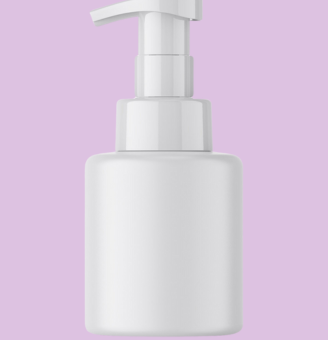
Skincare products in pump dispensers, such as moisturizers and serums, also face challenges in refrigeration. The complicated mechanisms of these dispensers can be adversely affected by low temperatures, leading to difficulties in product dispensing. You never want your products to freeze or expand when they need to exit through a tube.
Besides the fact that they likely contain ingredients that can become compromised in cooler temperatures. Optimal storage involves avoiding the refrigerator to prevent those mechanical inconveniences.
Alternatives to Refrigeration
Storage in a Cool, Dark Place
While a chilled skincare routine is tempting, many products thrive in a cool, dark place without refrigeration. Cabinets or drawers in a bathroom or bedroom, shielded from direct sunlight, provide an optimal environment. This approach maintains skincare stability without compromising the experience.
Use of Air-Tight Containers
For products susceptible to air and temperature fluctuations, the strategic use of air-tight containers becomes a game-changer. These containers act as guardians, preserving the stability of skincare formulations by preventing exposure to air and temperature extremes. Transferring products into air-tight containers ensures the integrity of formulations remains intact.
A good skincare product will not only tell you how to store skincare products but also come in a bottle or container that doesn't let external factors ruin the product.
Regularly Check Expiry Dates
With most beauty products, check in on expiration dates. Not all ingredients can last infinitely. Checking expiration dates regularly is good practice. These dates serve as signposts, indicating the period during which a product is expected to remain stable and effective.
Many times there is no harm in using an expired product. It will just be ineffective and a waste of your precious time. Diligent label scrutiny and timely disposal of expired products are imperative for an effective skincare routine.
The Power of Refrigeration for Certain Products
Historical Importance
In the pursuit of healthy skin, skincare enthusiasts are always seeking innovative ways to enhance the efficacy and shelf life of their products. While refrigerating skincare items has become a common practice, it's important to understand that not all products benefit from the chill.
We'll explore which skincare products can be refrigerated and why this practice can be advantageous. From preserving ingredients to creating a refreshing application experience, refrigeration unveils a realm of benefits for specific skincare formulations. Some even have a skincare fridge dedicated to this practice. Some products should be refrigerated.
Skincare Products Ideal for Refrigeration
Gel-Based Products
Gel-based products, including cleansers and masks, thrive in a refrigerated environment. The cool temperature not only extends the shelf life but also enhances the refreshing sensation during application. The cooling sensation is a welcomed feeling. Gel formulations often contain water and active ingredients that benefit from the cold environment, providing a soothing and invigorating experience for the skin.
Eye Creams and Gels
Refrigerating eye creams and gels can be a game-changer for those dealing with puffiness and tired eyes. The cold temperature does help constrict blood vessels, alleviating the appearance of dark circles and reduce swelling. If you've ever grown up playing sports or outside I'm sure you've dealt with your share of bumps and bruises.
The most common remedy of those is always icing to bring down swelling just like our puffy eyes. Additionally, the cool application can create a soothing effect, enhancing the overall experience of eye care.
Sheet Masks
Refrigerating sheet masks take the pampering experience to a whole new level. The cool mask not only provides an instant refreshing sensation but also intensifies the hydration boost. When applied cold, the mask constricts blood vessels, promoting better absorption of the active ingredients, and leaving the skin revitalized and nourished.
Aloe Vera Gel
Aloe vera gel, known for its soothing properties, can benefit from refrigeration. As we mentioned above gel-based products are acceptable in the fridge. The cool temperature enhances the gel's ability to calm irritated skin, making it an ideal solution for sunburn or sensitive skin. Applying chilled aloe vera gel can provide instant relief, reducing redness and promoting skin recovery.
Why Refrigeration Works for These Products
Preservation of Active Ingredients
Refrigeration can create a stable environment that helps preserve the integrity of active ingredients in skincare products. Ingredients like antioxidants, vitamins, and hyaluronic acid, commonly found in gel-based products, tend to degrade over time when exposed to heat and light. Cold storage slows down this process, ensuring that these potent ingredients maintain their power, delivering optimal benefits to your skin.
Reducing Bacterial Growth
The cool temperature in the refrigerator inhibits the growth of bacteria and mold, offering an additional layer of protection to skincare products. This is particularly beneficial for gel-based products and aloe vera gel, which often have a higher water content, creating an environment conducive to microbial growth. Refrigeration helps extend the shelf life and ensures the product remains safe for use.
How to Properly Refrigerate Skincare Products
Use of Dedicated Storage
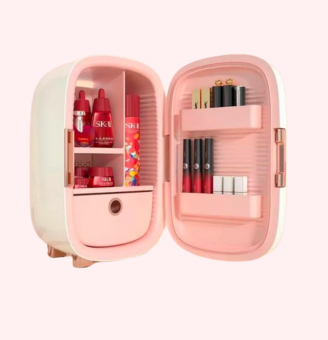
Designate a specific area in the refrigerator for skincare products to avoid cross-contamination with food items. Using a dedicated storage space ensures cleanliness and prevents any unwanted interactions that may compromise the quality of the skincare products. A mini fridge for your cosmetics is a good idea. Face rollers are also good when chilled.
Avoid Extreme Cold
While refrigeration is beneficial, extreme cold temperatures can potentially alter the texture of certain skincare formulations. Don't put skincare products in the freezer, as this can lead to the freezing of water-based ingredients, affecting the overall consistency.
Takeaway
Refrigerating certain skincare products can be a net positive, providing benefits ranging from prolonged shelf life to an enhanced application experience. Understanding which products thrive in a chilled environment can help optimize skincare routines and unlock the full potential of formulas. As the beauty industry continues to evolve, incorporating refrigeration into skincare practices adds a refreshing dimension to the pursuit of radiant and healthy skin.
Advice
In the world of skincare, proper storage emerges as a critical factor. Refrigeration, while beneficial for some, can be a double-edged sword for others. By understanding how ingredients react you can get the most out of your products. A conscientious approach, marked by label reading, adherence to storage instructions, and a commitment to maintaining a controlled environment, ensures that skincare rituals not only endure but thrive. This holistic approach not only extends the shelf life of certain products but also contributes to a more enjoyable and effective skincare experience.