

What Is My Skin Type?
Understanding your skin type is the first step to creating a skincare routine that works. Yet, many people struggle to answer the fundamental question: What type of skin do I have? If you’ve ever tried a product that worked wonders for someone else but irritated your skin or caused breakouts, chances are you’re using products that aren’t right for your skin type.
In this guide, we’ll break down the different skin types, explain how to identify yours, and help you tailor your skincare regimen to meet your skin’s specific needs. Whether you're dealing with dryness, oiliness, sensitivity, or a mix of everything, this article will help you determine your exact skin type with confidence.
Why Knowing Your Skin Type Matters
Understanding your skin type isn’t just a beauty concern, it’s foundational for healthy skin. Using the wrong products can:
-
Strip your skin’s natural oils
-
Cause clogged pores and breakouts
-
Lead to irritation and redness
-
Accelerate signs of aging
The above is everything we try to cure or heal. Several factors, such as genetics, environment, and lifestyle, can influence your skin type and its needs.
Once you know your skin type, you can choose to optimize products and routines that support your skin’s natural function rather than work against it.
The 5 Main Skin Types
Dermatologists typically classify skin into five main categories:
1. Normal Skin
-
Characteristics: Balanced oil and moisture levels, few breakouts, small pores, smooth texture, minimal sensitivity, and typically shows minimal oil when tested with blotting paper.
-
How It Feels: Comfortable and rarely reacts to products.
-
Skincare Goals: Maintain balance and protect from environmental stressors.
2. Oily Skin
-
Characteristics: The oily skin type is characterized by a shiny appearance, enlarged pores (especially on the T-zone), and is prone to blackheads and acne. This is due to increased sebum production, which leads to more shine and larger pores.
-
How It Feels: Greasy or slick, especially by midday.
-
Skincare Goals: Control excess sebum production without over-drying the skin.
3. Dry Skin
-
Characteristics: Flaky patches, tightness, dull complexion, possible redness or irritation.
-
How It Feels: Tight, rough, or uncomfortable—especially after cleansing.
-
Skincare Goals: Hydrate, restore the moisture barrier, and soothe irritation.
4. Combination Skin
-
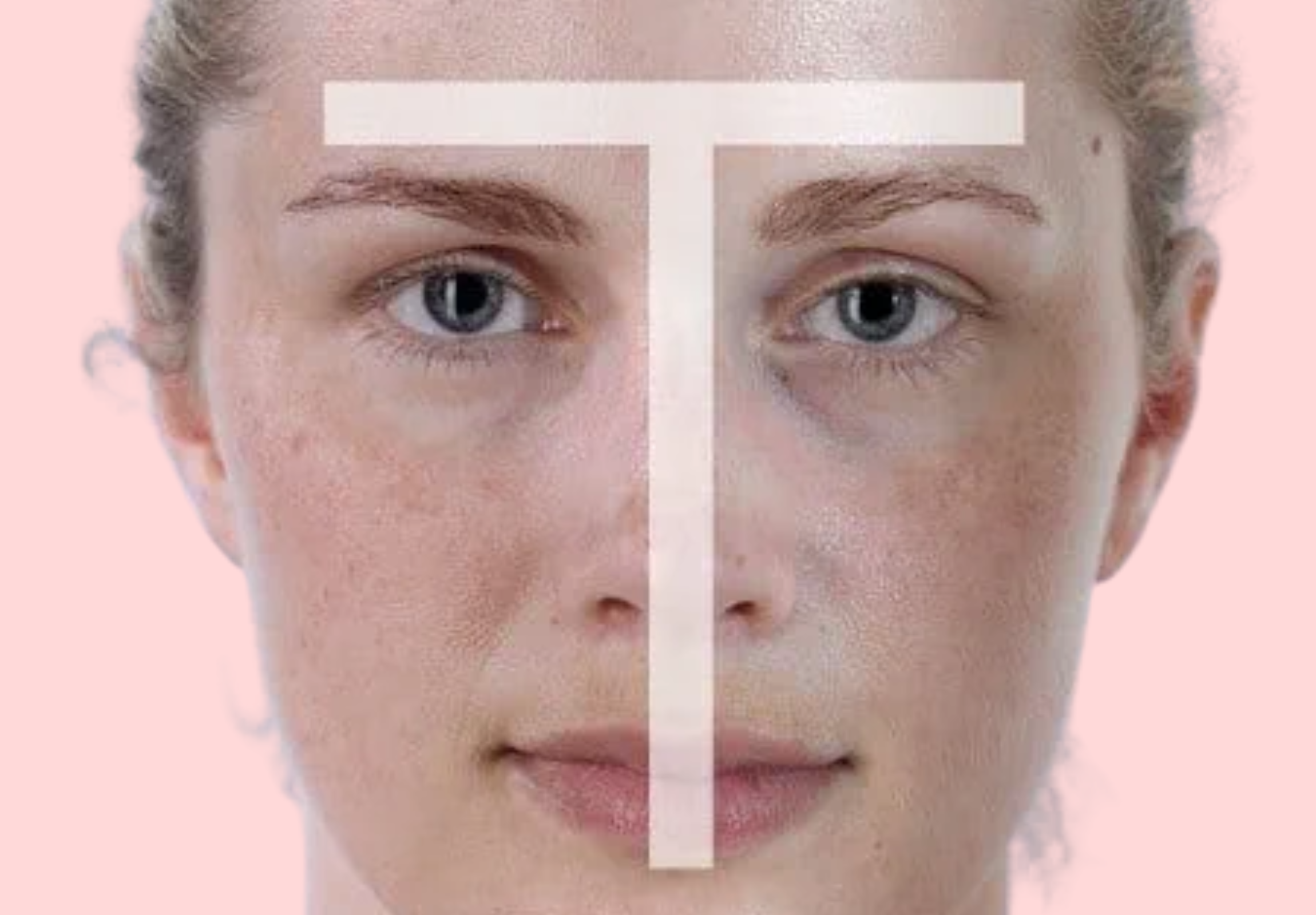
Characteristics: The combination skin type features a mix of oily and dry areas. Commonly an oily T-zone (forehead, nose, chin) and dry cheeks.
-
How It Feels: Both greasy and tight depending on the area.
-
Skincare Goals: Balance both oily and dry zones with targeted care.
5. Sensitive Skin
-
Characteristics: The sensitive skin type is prone to redness, burning, itching, or stinging. This often occurs in reaction to products, weather, or stress.
-
How It Feels: Irritated easily, sometimes unpredictable.
-
Skincare Goals: Minimize triggers and use calming, non-irritating ingredients.
The Role of Natural Oils in Skin Health
Natural oils, or sebum, are essential for maintaining the health and resilience of your skin. Produced by your skin’s sebaceous glands, these oils form a protective barrier that helps lock in moisture and shield your skin from environmental factors like pollution and harsh weather. When your skin produces the right amount of natural oils, it stays hydrated, smooth, and less prone to irritation.
However, the balance of natural oils varies from person to person and is a key factor in determining your skin type. If your skin produces excess oil, you may notice a shiny complexion, enlarged pores, and a higher likelihood of clogged pores and acne which are hallmarks of oily skin. On the other hand, if your skin doesn’t produce enough oil, you might experience dry skin, which can feel rough, tight, or flaky and may be more sensitive to certain ingredients.
Combination skin is characterized by an oily T-zone (forehead, nose, and chin) and drier cheeks, making it important to address both oil control and hydration in your skin care routine. Sensitive skin can react to even small changes in oil production or exposure to new products, often resulting in redness or irritation.
To keep your skin barrier healthy and your complexion looking its best, it’s important to choose a skin care routine that matches your skin type. For oily skin, focus on products that help control oily skin and remove excess oil without stripping away all moisture. For dry or sensitive skin, opt for gentle, hydrating formulas that replenish natural oils and soothe irritation. No matter your skin type, maintaining a balance of natural oils is key to supporting overall skin health and achieving a healthy, radiant complexion.
How to Identify Your Skin Type (At Home Test)
Not sure what type of skin you have? Try this simple at-home skin type test using blotting paper to assess oiliness and determine your skin type:
Step 1: Cleanse
Wash your face with a gentle cleanser and pat dry. Do not apply any products afterward.
Step 2: Wait
Leave your skin bare for about 1 hour. During this time, your skin will return to its natural state.
Step 3: Observe
Pay close attention to how your skin feels and looks.
|
Skin Area |
What to Look For |
Skin Type |
|---|---|---|
|
Entire face |
Feels balanced, not tight or shiny |
Normal |
|
T-zone only |
Looks shiny while cheeks feel dry |
Combination |
|
Entire face |
Shiny, oily, maybe sticky |
Oily |
|
Entire face |
Tight, flaky, possibly red |
Dry |
|
Any area |
Red, itchy, stinging, or burning |
Sensitive |
Bonus: Blotting Sheet Method
If you have oil blotting papers:
-
Gently press a sheet on different areas of your face (forehead, nose, cheeks, chin).
-
Hold the sheet up to the light.
-
No oil: Dry skin
-
Oil from T-zone only: Combination skin
-
Oil from all areas: Oily skin
-
Factors That Can Affect Skin Type
Skin type isn’t static, it can change based on several internal and external factors, including:
-
Climate & Seasons: Skin tends to be oilier in summer and drier in winter.
-
Age: Oil production decreases with age, often shifting oily skin to dry or normal.
-
Hormones: Puberty, menstruation, pregnancy, and menopause can all alter skin behavior.
-
Diet & Hydration: Poor nutrition and dehydration can worsen dryness or increase oil production.
-
Skincare Products: Overuse of harsh products can damage your skin barrier, mimicking sensitive skin.
Skin Type Change Over Time
Your skin type isn’t set in stone, it can change throughout your life due to various factors. As you age, your skin’s natural oil production often decreases, which can lead to dryness, fine lines, and wrinkles. Hormonal changes during puberty, pregnancy, or menopause can also shift your skin type, sometimes causing oily skin, acne, or increased sensitivity.
Environmental factors like exposure to UV rays, pollution, and harsh skin care products can weaken your skin barrier, leading to premature aging and new skin concerns. For example, overexposure to the sun without broad spectrum protection can accelerate the appearance of wrinkles and uneven skin tone, while pollution can contribute to clogged pores and dullness.
To maintain a healthy looking complexion, it’s important to reassess your skin type regularly and adjust your skin care routine as needed. Incorporating ingredients like hyaluronic acid can help keep your skin hydrated, while salicylic acid and lactic acid are effective for removing dead skin cells and controlling oil production. Choosing non-comedogenic skin care products can help prevent acne and maintain a consistent texture, especially if your skin becomes more oily or sensitive over time.
By staying attuned to changes in your skin and updating your routine to address specific skin concerns, you can protect your skin barrier, prevent premature aging, and enjoy a radiant, healthy complexion at any age.
What to Do Once You Know Your Skin Type
Here are some essential tips for caring for your skin type.
Moisturizing is crucial for maintaining skin hydration and supporting your skin's barrier. Choosing the right lotion or lotions for your skin type can make a significant difference. Lotions are ideal for normal or oily skin, while creams or ointments are better for dry or sensitive skin.
General guidelines:
-
Cleanse your skin gently, avoiding harsh soaps.
-
Remember to moisturize daily. Lotions are a lightweight option for normal or oily skin, while creams are more suitable for dry skin.
-
Use sunscreen every day, even when it’s cloudy.
-
Avoid touching your face frequently to prevent irritation.
For Normal Skin:
-
Use a gentle cleanser and a lightweight moisturizer, such as lotions, which are ideal for normal skin
-
Don’t overdo actives, less is more
-
Apply SPF daily
For Oily Skin:
-
Use gel-based or foaming cleansers
-
Look for salicylic acid, niacinamide, and clay masks
-
Avoid heavy, pore-clogging moisturizers—opt for a lightweight, oil-free lotion or non-comedogenic moisturizer
For Dry Skin:
-
Use hydrating cleansers and thick, cream-based moisturizers
-
Incorporate hyaluronic acid, ceramides, and glycerin
-
Avoid alcohol-based toners or harsh exfoliants
For Combination Skin:
-
Use a gentle, balanced cleanser
-
Spot-treat oily areas with mattifying products
-
Hydrate drier zones with richer creams
For Sensitive Skin:
-
Choose fragrance-free and hypoallergenic products
-
Avoid exfoliating too often
-
Look for calming ingredients like aloe vera, centella asiatica, or colloidal oatmeal
Common Skin Type Myths
Myth 1: "Oily skin doesn’t need moisturizer."
Truth: Skipping moisturizer can trigger more oil production.
Myth 2: "Sensitive skin is a permanent condition."
Truth: Sensitivity can be temporary or caused by specific products.
Myth 3: "You have the same skin type for life."
Truth: Skin types evolve with age, environment, and lifestyle.
Final Thoughts: Listen to Your Skin
The most important takeaway? Listen to your skin. While categorizing your skin type is helpful, skin is dynamic. What worked for you a year ago might not work today. Check in regularly and adjust your routine as needed.
By understanding your unique skin type, you can make informed decisions that lead to healthier, clearer, and more radiant skin—without wasting time or money on the wrong products.
FAQ: What Type of Skin Do I Have?
Q: Can I have more than one skin type at once?
A: Yes—this is called combination skin and is very common.
Q: How often should I reassess my skin type?
A: Every few months or with major life changes like climate, stress, or hormone shifts.
Q: Do men and women have different skin types?
A: Not inherently, but men often produce more oil due to testosterone, which can affect skin behavior.