

Before understanding which ingredients are great to supplement moisturizing, a brief history of what moisture does for our skin. Moisture is a crucial aspect of skin health and plays a vital role in maintaining its appearance, texture, and overall well-being.
The outermost layer of the skin called the stratum corneum, acts as a skin barrier that helps retain moisture and prevent excessive water loss. Various factors such as environmental conditions, aging, lifestyle choices, and certain skin conditions can disrupt the moisture balance causing skin irritation
When the skin lacks adequate moisture, it can become dry, rough, and prone to irritation, which is no good. On the other hand, well-hydrated skin appears plump, smooth, and radiant. This leads to overall good health. Here are some key points to understand about moisture and its impact on the skin:
Hydration Importance
-
Proper hydration is vital for maintaining skin health. It helps to regulate various biological processes, such as cell renewal, collagen synthesis, and toxin removal. Well-hydrated skin also has a better ability to defend against external aggressors and maintain its elasticity.
Natural Moisturizing Factors
-
The stratum corneum contains natural moisturizing factors, including amino acids, urea, lactic acid, and various sugars. These substances attract and hold in water, helping to keep the skin hydrated. However, factors like harsh cleansers, excessive sun exposure, and cold weather can deplete the natural moisturizing factors and disrupt the skin's moisture balance.
External Factors
-
Environmental factors, such as low humidity, exposure to air conditioning or heating systems, and hot showers, can contribute to moisture loss in the skin. Additionally, long-term exposure to ultraviolet (UV) radiation from the sun can damage the skin's moisture-retaining capabilities.
Aging
-
As we age, the skin's ability to retain moisture lessens. Also, the production of natural oils decreases, leading to drier skin. Fine lines, wrinkles, and sagging will become more prominent in dehydrated skin as a result. Therefore, incorporating proper hydration measures becomes increasingly important as we get older. It's important to focus on good skin care practices when your around mid 20's. It sets you up for the future when you really need to pay close attention.
Dry Skin Conditions
-
Some individuals naturally have drier skin due to genetic factors. Others may develop dry skin conditions such as eczema, psoriasis, or dermatitis, which can result in chronic moisture loss and skin inflammation. These conditions mostly require a specialized skincare professional to diagnose. routine checkups and medical interventions to manage symptoms are common.
Maintaining Moisture Balance
-
To maintain adequate skin moisture, it is important to establish a consistent skincare routine. This typically involves cleansing the skin gently with mild, hydrating cleansers, followed by the application of moisturizers or emollients. You can try some mineral oil to help prevent water loss in the skin.
-
It's important to keep your skin as moisturized as possible throughout the day. If not, run the potential risk of dry or sensitive skin, and acne. Hyaluronic acid, glycerin, ceramides, and natural oils like jojoba or argan oil are commonly used ingredients in moisturizing products.
Internal Hydration
-
Drinking an adequate amount of water and maintaining a balanced diet also contribute to skin hydration. While direct water intake doesn't instantly translate to hydrated skin, it plays a role in supporting overall bodily functions, including the skin's moisture balance.
Remember, everyone's skin is unique, and finding the right moisture balance may require some experimentation and deliver some mixed results. If you have specific concerns about your skin's moisture levels or any skin conditions, it's best to consult a dermatologist or skincare professional for personalized advice and recommendations. Our goal is to attract moisture into the skin to leave the skin as replenished as possible to do its natural duties.
Preventing Moisture Loss: The Power of Hyaluronic Acid in Skincare
One of the main things we hear about skincare is moisturize. It's a key step in the beauty process. Most people aim to contain the elasticity and youthful glow of their skin as they approach middle age. When it comes to skincare, maintaining optimal hydration is crucial for healthy and glowing skin. Moisture loss can lead to a number of unwanted skin impurities dryness, flakiness, and even premature aging.
Fortunately for us cosmetic ingredients play a vital role in preventing moisture loss and preserving the skin's hydration levels. One such ingredient that stands out is Hyaluronic Acid (HA). In this article, we will explore how HA helps to combat moisture loss, why it is effective, and how you can incorporate it into your skincare routine for maximum benefits. Our goal is to add moisture.
Moisture Loss and Its Effects
Before delving into the benefits of HA, it's important to understand the causes and effects of moisture loss. Factors such as environmental aggressors, harsh weather conditions, and age can disrupt the skin's moisture barrier, leading to transepidermal water loss (TEWL). This can result in dry, dehydrated skin that feels tight, looks dull, and is more prone to fine lines and wrinkles. Therefore, it's essential to fortify the skin's natural defenses against moisture loss.
Cosmetic Ingredient that Prevents Moisture Loss
Hyaluronic Acid, a naturally occurring substance in our bodies, is an exceptional ingredient for maintaining skin hydration. HA has the remarkable ability to attract and retain moisture, making it a highly sought-after ingredient in the cosmetic industry. Its unique molecular structure enables it to hold up to 1000 times its weight in water, making it an excellent humectant.
How Hyaluronic Acid Helps Prevent Moisture Loss
HA's effectiveness in preventing moisture loss can be attributed to its hydrating properties. When applied to the skin, HA acts as a magnet, drawing in moisture from the environment and deeper layers of the skin. It forms a hydrating barrier on the skin's surface, preventing water loss and keeping the skin hydrated throughout the day. This barrier not only replenishes moisture but also helps to improve the skin's elasticity and suppleness. These properties can help reduce your facial aging.
Benefits of Using HA for Preventing Moisture Loss
Incorporating HA into your skincare routine offers numerous benefits.
-
Enhances skin hydration, leaving it plump, soft, and smooth.
-
Moisture-retaining properties help to diminish the appearance of fine lines and wrinkles, giving the skin a more youthful and refreshed look.
-
Aids in improving the skin's overall texture and tone, providing a radiant and healthy complexion.
How to Use HA in Your Skincare Routine
To harness the benefits of HA, it's essential to choose the right products and incorporate them effectively into your skincare routine. Look for moisturizers, serums, or masks that contain HA as an active ingredient. Consider your skin type and select a product with an HA concentration suitable for your needs. When applying HA-based products, cleanse and tone your skin beforehand to ensure maximum absorption. For optimal results, it's recommended to apply HA products on damp skin as this helps to lock in moisture and enhance the effect.
Other Complementary Ingredients for Moisture Retention
While HA is a standout ingredient for preventing moisture loss, it can be further complemented by other skincare ingredients.
-
Ceramides - help to strengthen the skin's barrier function, improving moisture retention.
-
Glycerin - the hydrating powerhouse that attracts moisture to the skin and prevents water loss.
-
Aloe vera - known for its soothing properties, also aids in maintaining the skin's hydration levels.
By combining these ingredients with HA, you can create a robust skincare routine tailored to your skin's needs.
Sensitive Skin
Skipping the moisturizing part of your skincare can lead to an irritated skin condition:
-
Acne prone skin
-
Hyperpigmentation
-
Redness
-
Itchiness
Use moisturizer creams to help soothe and replenish hydration in your skin. Look for oil-free skin care products labeled with hyaluronic acid.
Skin Barrier
The skin barrier consists of a lipid matrix made up of ceramides, fatty acids, and cholesterol. This helps to eliminate the chance of external irritants entering your pores. Keeping these irritants further away from our faces the better obviously.
Key Takeaways
Preventing moisture loss is crucial for maintaining healthy, hydrated skin. Hyaluronic Acid has emerged as a star ingredient in the skincare industry due to its remarkable ability to attract and retain moisture. By incorporating HA into your skincare routine, you can effectively combat moisture loss and reap the benefits of improved hydration and overall skin health.
Remember, moisture loss can have detrimental effects on the skin, leading to dryness, dullness, and signs of aging. By using HA-based products, you can address these concerns and achieve a more radiant and youthful complexion.
When selecting HA products, consider your skin type and choose cosmetic products that cater to your specific needs. If you have dry skin, opt for richer moisturizers or serums with a higher concentration of HA. For oily or combination skin, lightweight gel-based formulations may be more suitable. It's always a good idea to read product labels to understand which ingredients are present.
To incorporate HA into your skincare routine effectively, follow these simple steps:
Cleanse
-
Start by cleansing your face using a gentle cleanser suitable for your skin type. This step removes impurities, excess oil, and any residue from the skin, allowing the HA to penetrate more effectively.
Tone
-
After cleansing, use a toner to balance the skin's pH levels and prepare it for better absorption of subsequent products. Look for toners that are alcohol-free and contain hydrating ingredients to further support moisture retention.
Apply HA Products
-
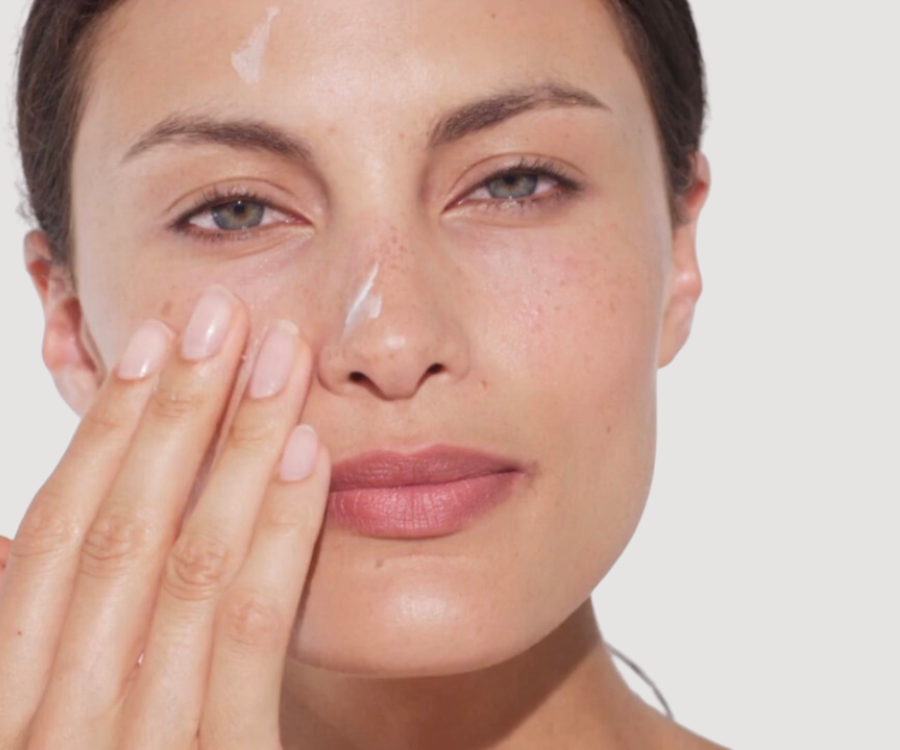
Take a small amount of your chosen HA serum, moisturizer, or mask and gently massage it into your skin. Focus on areas that require extra hydration, such as the cheeks, forehead, and around the eyes. Allow the product to absorb fully before moving on to the next step.
Seal in Moisture
-
To lock in the benefits of HA and prevent moisture loss, follow up with a moisturizer or facial oil. Look for products that contain complementary ingredients like ceramides or glycerin to further support hydration.
Sun Protection
-
Lastly, don't forget to apply a broad-spectrum sunscreen with at least SPF 30 every morning, even on cloudy days. Sunscreen protects the skin from harmful UV rays and helps to maintain its moisture balance.
Consistency is key when it comes to skincare. Incorporate HA-based products into your daily routine, ideally in the morning and evening, for optimal results. However, always listen to your skin and adjust the frequency of application based on its individual needs. Make sure you add moisturizers after doing a full skincare routine so you can remove dead skin cells before applying.
Take the first step towards healthier, moisturized skin by embracing the power of Hyaluronic Acid today.