

Can You Use Hyaluronic Acid with Retinol? A Skincare Expert’s Guide
If you’re building or refining a skincare routine, it’s likely you’ve come across two popular ingredients: retinol and hyaluronic acid. Each has a well-earned reputation—retinol for fighting signs of aging and acne, and hyaluronic acid for deep hydration, skin barrier support, and its ability to retain moisture.
But a common question arises: Can you use hyaluronic acid with retinol?
Yes, you absolutely can—and in fact, you should. When used correctly, these ingredients work together to maximize benefits and minimize irritation. But understanding how and why they work together requires a bit of skincare science. In this guide, you’ll learn how to layer them properly, why they’re such a powerful combination, and how to avoid common mistakes.
Introduction to Skincare Ingredients
Skincare ingredients play a crucial role in maintaining healthy and healthy skin. Among the options available, hyaluronic acid and retinol stand out for their remarkable benefits. Hyaluronic acid is a natural humectant that attracts and retains moisture in the skin, leaving it feeling soft and supple. On the other hand, retinol, a derivative of vitamin A, promotes cell turnover and collagen production, reducing the appearance of fine lines and wrinkles.
Understanding the individual benefits of these ingredients is essential in creating an effective skincare routine. Hyaluronic acid and retinol can be used together to achieve a synergistic effect, addressing multiple skin concerns such as dryness, dullness, and skin aging. It’s essential to choose skincare products that contain high-quality, clinically-tested ingredients to ensure optimal results. Consulting with a board-certified dermatologist can help determine the best skincare ingredients and products for individual skin types and concerns.
Understanding Retinol: The Resurfacing Ingredient
Let’s begin with retinol. A derivative of vitamin A, retinol is considered one of the gold-standard ingredients in dermatology for its ability to:
-
Speed up cell turnover
-
Stimulate collagen production
-
Unclog pores and reduce acne
-
Fade hyperpigmentation and even out skin tone
Retinol products are particularly effective in smoothing wrinkles and enhancing overall skin appearance. Additionally, retinol improves skin elasticity, contributing to firmer and smoother skin.
It’s incredibly effective, but also quite potent. When people first start using retinol, they may experience dryness, flaking, redness, or sensitivity—a phenomenon known as retinization. This doesn’t mean the product is bad for you; it just means your skin is adjusting.
This is where hyaluronic acid becomes your skin’s best friend.
What Is Hyaluronic Acid? A Hydration Hero
Hyaluronic acid (HA) is a naturally occurring molecule found in the skin. It acts like a sponge, and can hold up to 1,000 times its weight in water. It’s a humectant, meaning it attracts water molecules from the environment or deeper layers of skin to the surface.
When used in skincare, hyaluronic acid:
-
Hydrates and plumps the skin
-
Helps reduce the appearance of fine lines
-
Improves skin texture
-
Reinforces the skin barrier
Additionally, hyaluronic acid provides a plumping effect by attracting and retaining moisture, which improves skin elasticity and firmness.
The key difference between the two? While retinol is active and corrective, hyaluronic acid is supportive and soothing. That’s why using them together is so effective—one renews, and the other replenishes.
Why You Should Use Hyaluronic Acid with Retinol
1. Reduces Retinol Irritation
Retinol’s biggest downside is that it can be harsh on the skin, especially in the early stages. Hyaluronic acid acts like a cushion—it replenishes lost moisture and prevents your skin from drying out. This makes your retinol journey much more comfortable.
2. Strengthens the Skin Barrier
One of the most common issues with retinol use is a compromised skin barrier. Symptoms include flakiness, tightness, and redness. Hyaluronic acid helps repair and fortify this barrier by maintaining hydration, making the skin more resilient over time.
3. Improves Results Over Time
Well-hydrated skin not only feels better—it performs better. When your skin is moisturized and balanced, retinol can penetrate more effectively, and your skin can heal faster. This means quicker, more visible results.
How to Apply Skincare Products
Applying skincare products correctly is crucial to achieve optimal results. Start by cleansing your skin with a gentle cleanser to remove impurities. Follow with a toner to balance your skin’s pH. Next, apply a hyaluronic acid serum to lock in moisture, followed by a retinol product to promote cell turnover and collagen production. Finish with a moisturizer that contains hyaluronic acid and other nourishing ingredients to provide long-lasting hydration.
Be sure to apply skincare products in the correct order, as this can affect their absorption and efficacy. Use a pea-sized amount of each product and gently massage it into your skin until fully absorbed. Avoid over-exfoliating or using too many products, as this can lead to irritation and dryness. Consistency is key when it comes to skincare, so stick to a routine and give your skin time to adjust and respond.
Creating a Skin Care Routine
Creating a skincare routine can seem overwhelming, but it’s essential to establish a consistent routine to achieve healthy and radiant skin. Start by identifying your skin type and concerns, such as acne-prone skin, dry skin, or skin aging. Choose skincare products that contain ingredients such as hyaluronic acid and retinol, which offer numerous benefits for the skin.
Consider your lifestyle and preferences when creating a skincare routine, such as a busy schedule or sensitive skin. Be sure to include a broad-spectrum sunscreen with at least SPF 30 in your daily routine to protect your skin from sun damage. Good practice is exfoliating a couple times a week. The exfoliation process promotes skin cell turnover while removing dead skin cells. Get enough sleep and stay hydrated to help your skin regenerate and repair itself. You should always Consult with a licensed dermatologist or skincare professional. Ask specific questions around your skin concerns so you can develop a customized skin care routine that works for you.
How to Layer Hyaluronic Acid and Retinol: Step-by-Step
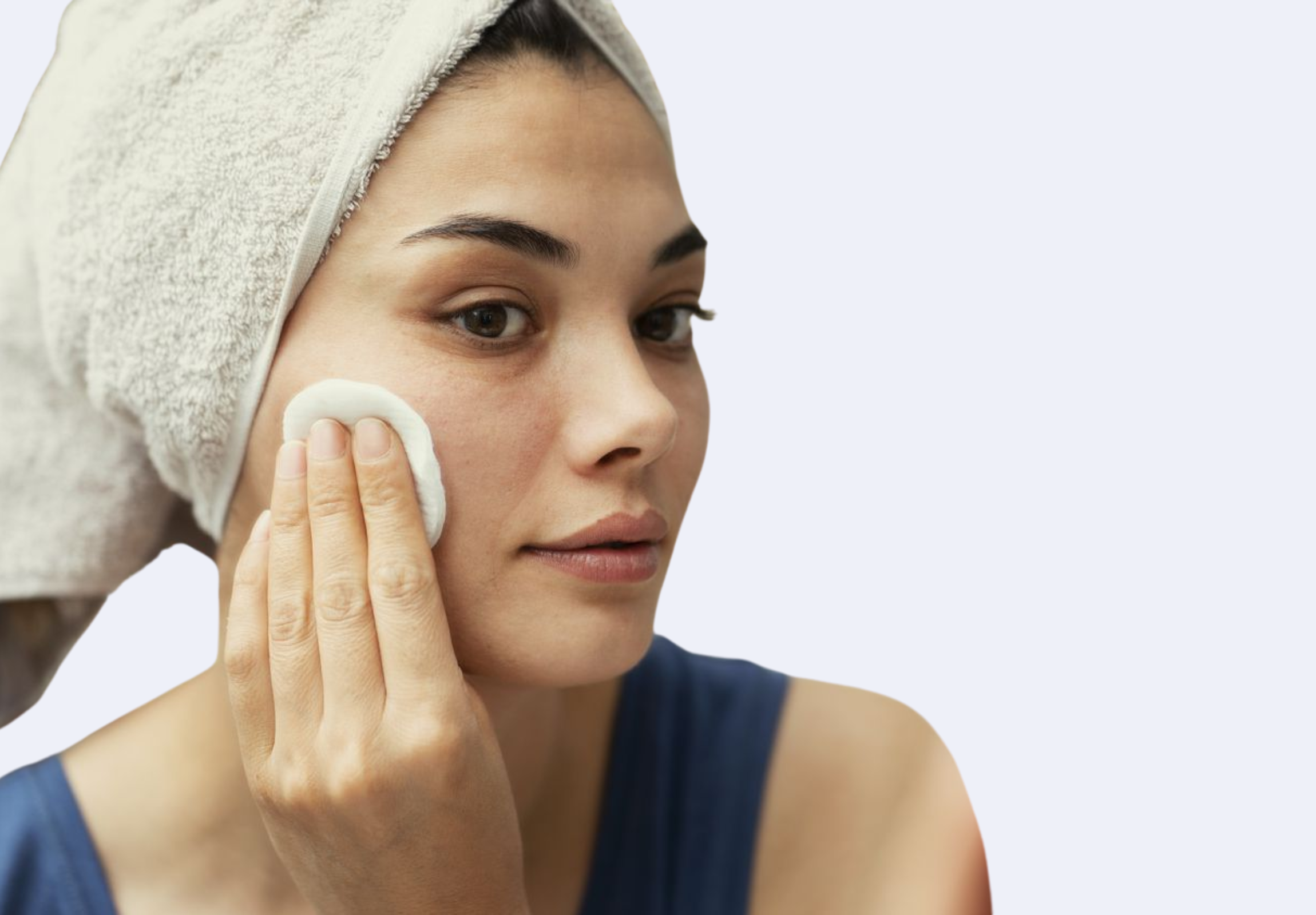
Let’s break down exactly how to use these two ingredients together in your nighttime skincare routine. The active ingredients retinol and hyaluronic acid are most effective when used immediately after the. cleansing the face.
Nighttime Routine for Using Retinol with Hyaluronic Acid:
-
Cleanse: Use a gentle, hydrating cleanser to remove makeup, sunscreen, and impurities. Avoid anything foaming or exfoliating to prevent further irritation.
-
Dry Your Face: Make sure your skin is dry before applying retinol. Applying retinol on damp skin can increase absorption and cause irritation, especially for beginners.
-
Apply Retinol: Use a pea-sized amount of retinol and gently smooth it across your face, avoiding sensitive areas like the corners of the mouth, nostrils, and under the eyes.
-
Wait 1–2 Minutes: Give the retinol time to settle and absorb.
-
Apply Hyaluronic Acid Serum: Gently pat a hyaluronic acid serum over your skin. It will help draw in moisture and act as a soothing layer over the retinol.
-
Moisturize: Follow with a nourishing moisturizer to seal in hydration. This helps further reduce irritation and promotes healing overnight.
-
Sunscreen in the Morning: Retinol increases your skin’s sensitivity to the sun. Never skip SPF the next day.
Choosing the Right Products
Choosing the right skincare products can be daunting, but it’s essential to select products that contain high-quality, clinically-tested ingredients. Look for products that contain hyaluronic acid and retinol, which offer numerous benefits for the skin. Consider your skin type and concerns when selecting skincare products, such as acne-prone skin or dry skin. Read product labels carefully and avoid products that contain harsh ingredients or artificial fragrances.
Choose products that are suitable for your skin type and concerns, such as a gentle cleanser for sensitive skin or a rich moisturizer for dry skin. Don’t be afraid to ask for recommendations from a dermatologist or skincare professional. Keep in mind that everyone’s skin is different, so it may take some trial and error to find the right products for your skin. Be patient and give your skin time to adjust and respond to new products.
Considerations for Different Skin Types
Different skin types require different skincare approaches, so it’s essential to consider your skin type when creating a skincare routine. For acne-prone skin, look for products that contain salicylic acid or benzoyl peroxide, which can help to reduce acne and prevent future breakouts. For dry skin, choose products that contain hyaluronic acid and ceramides, which can help to lock in moisture and support the skin’s natural barrier.
For sensitive skin, opt for gentle, fragrance-free products that won’t irritate the skin. For skin aging, consider products that contain retinol and peptides, which can help to promote cell turnover and collagen production. For oily skin, look for products that are labeled “non-comedogenic” or “oil-free,” which can help to reduce shine and prevent clogged pores.
Be sure to patch test new products on a small area of skin before using them on your face to ensure you don’t have any adverse reactions. Also be sure to consult with your dermatologist or when determining the best approach for your skin type.
Pro Tips for Success
-
Start Slow: If you’re new to retinol, begin by applying it 2–3 times a week. Increase frequency as your skin builds up tolerance.
-
Use the “Moisture Sandwich” Method: For very sensitive skin, apply a light layer of moisturizer before and after retinol. Then apply hyaluronic acid on top to lock in hydration.
-
Choose the Right Products: Some brands now combine retinol and hyaluronic acid in a single formula, designed to deliver the benefits of both while minimizing irritation. Alternatively, you can use a retinol serum followed by a hyaluronic acid serum to improve skin texture, tone, and reduce fine lines.
-
Watch for Signs of Overuse: Redness, stinging, or excessive dryness could mean you’re using retinol too often or applying too much. Reduce frequency and focus on hydration.

Can You Use Hyaluronic Acid Before Retinol?
Yes, but with a caveat. While hyaluronic acid is most often applied after retinol to seal in moisture, some dermatologists recommend applying it before retinol as a “buffer,” especially if you’re new to retinol or have very sensitive skin. This pre-hydration can dilute the retinol’s intensity slightly, making it more tolerable.
Incorporating hyaluronic acid and retinol in the same routine is essential for optimal skincare benefits. Ultimately, whether you apply hyaluronic acid before or after depends on your skin type and how your skin responds. Both methods can be effective, so feel free to experiment and see what works best for you.
Who Should Use This Combination?
This skincare duo is safe and beneficial for most skin types, especially:
-
Dry or Dehydrated Skin: Retinol can worsen dryness, but HA can help maintain balance.
-
Sensitive Skin: When used correctly, HA can minimize irritation from retinol.
-
Aging Skin: This combo is excellent for treating fine lines, wrinkles, and dullness, contributing to a radiant complexion.
-
Acne-Prone Skin: Retinol clears pores; HA prevents the drying effect of many acne treatments.
However, if you have rosacea, eczema, or very reactive skin, it’s best to consult a dermatologist before using retinol.
Common Mistakes to Avoid
-
Skipping Moisturizer: HA draws water to the skin, but without a good moisturizer, that water can evaporate—leaving your skin drier. Always seal in HA with a moisturizer.
-
Using Retinol Every Night at First: This is a fast track to irritation. Start slow, and give your skin time to adjust.
-
Mixing Incompatible Actives: Avoid layering retinol with other strong actives like AHAs, BHAs, exfoliating acids, or vitamin C unless advised by a skincare professional.
-
Not Wearing SPF: Retinol thins the outer layer of skin, making it more prone to sunburn. Daily sunscreen is non-negotiable.
FAQs
Can I use hyaluronic acid every day?
Yes! Hyaluronic acid products are gentle enough for daily use—morning and night.
Can hyaluronic acid be used on damp skin?
Yes, and it actually works better that way—just not with retinol. Apply HA to damp skin in the morning routine to support the skin's natural production of moisture, but to dry skin in the evening routine with retinol.
Is it okay to combine them in one product?
Yes. Many modern serums and night creams are formulated with both retinol and HA, combining these active ingredients for ease of use and optimal results.
Final Thoughts: The Power of Balance
So, can you use hyaluronic acid with retinol? Absolutely—and doing so is one of the best things you can do for your skin.
Think of retinol as the trainer, pushing your skin to perform at its best. Hyaluronic acid is the coach, making sure your skin stays healthy, hydrated, and supported through the process.
With the right approach, this dynamic duo can help you achieve clearer, smoother, and more youthful-looking skin by reducing the visible signs of aging, such as fine lines, wrinkles, and uneven skin tone—without the dryness and discomfort often associated with retinol use.
Take your time, listen to your skin, and don’t rush. Skincare is a marathon, not a sprint—and with knowledge on your side, you’re well on your way to glowing results.