

What Are Fine Lines? Understanding Their Causes and How to Prevent Them
Fine lines are one of the earliest visible signs of aging—and one of the most common skincare concerns for people of all ages. Whether you’re in your twenties and starting to see faint creases around your eyes or you’re looking for ways to smooth out developing lines, understanding what fine lines are, how they form, and how the skin undergoes natural changes over time due to aging is the first step to healthier, more youthful skin.
Fine lines are small, shallow creases that typically appear on the face, especially around the eyes and mouth. The aging process leads to the development of fine lines and wrinkles as the skin's collagen and elastin levels decrease, and cell metabolism slows down. These changes are a natural part of maturing skin. Preventing fine lines involves using anti-aging products and maintaining a healthy lifestyle and diet to combat these signs of aging.
Introduction to Skin Aging
Skin aging is an inevitable part of the natural aging process, marked by the emergence of fine lines, wrinkles, and a reduction in skin elasticity. As we age, our skin cells’ ability to regenerate and repair diminishes, leading to a decline in collagen production and the formation of deep wrinkles. This natural aging process is influenced by a combination of genetic and environmental factors, including sun exposure, sun damage, and repeated facial expressions.
Prolonged sun exposure, in particular, can cause premature skin damage, accelerating the appearance of premature wrinkles. To prevent wrinkles and maintain healthy skin, it’s crucial to protect your skin from the sun’s ultraviolet rays and adopt a consistent skincare routine.
As we age, our skin begins to show signs of aging, such as forehead lines, frown lines, and crow’s feet. These lines and wrinkles can result from dynamic wrinkles, caused by repeated facial expressions, and static wrinkles, caused by a loss of skin elasticity. To reduce wrinkles and achieve a more youthful appearance, it’s essential to keep your skin hydrated and shielded from environmental factors. A healthy lifestyle, including a balanced diet, adequate sleep, and regular exercise, can also help prevent fine lines and wrinkles.
What Are Fine Lines?
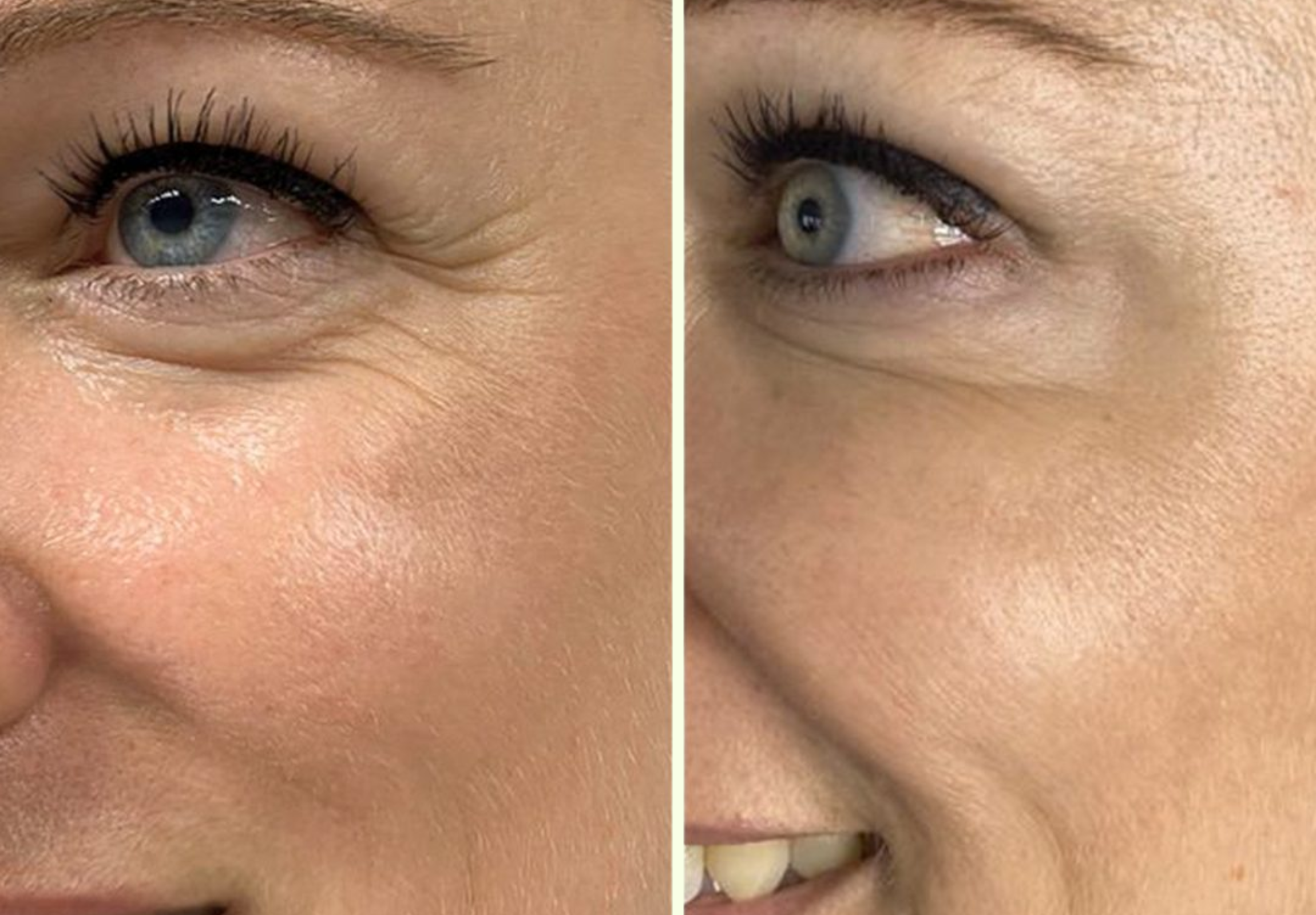
Fine lines are shallow, small wrinkles that appear on the surface of the skin. They’re often the earliest signs that your skin is starting to lose elasticity and moisture. Unlike deep wrinkles, which develop over time and penetrate deeper layers of the skin, fine lines are more superficial and easier to treat and prevent.
These lines are commonly found:
-
Around the eyes (crow’s feet)
-
On the forehead
-
Around the mouth (smile lines)
-
Between the eyebrows (frown lines)
What Causes Fine Lines?
There are several factors that contribute to the development of fine lines, including:
-
Lifestyle Choices:
-
Smoking affects blood vessels and reduces the oxygen and nutrient supply to the skin, leading to dullness, sagging, and premature aging.
-
Clogged pores from makeup and pollutants can lead to skin damage, acne, and inflammation, emphasizing the importance of good skincare practices.
-
Certain facial expressions, such as lifting eyebrows or frowning, can make fine lines and wrinkles more noticeable due to the repeated dynamic movements.
-
1. Natural Aging
As we age, the natural ageing process leads to decreased production of collagen and elastin—two proteins that keep skin firm and smooth. Skin also becomes thinner and drier, making it more prone to creases.
2. Sun Exposure
Sun exposure, particularly the sun's ultraviolet rays, is one of the biggest contributors to skin aging. UVB rays play a significant role in causing skin damage and premature aging by breaking down collagen and elastin fibers, leading to fine lines, wrinkles, and pigmentation irregularities. It breaks down collagen, accelerates oxidative stress, and causes the skin to age prematurely—a process known as photoaging.
3. Environmental Stressors
Pollution, wind, and harsh weather conditions can damage the skin barrier, leading to dryness and accelerated aging.
4. Lifestyle Choices
-
Smoking reduces blood flow and damages collagen.
-
Poor Diet lacking in antioxidants and healthy fats can weaken skin.
-
Lack of Sleep deprives skin of time to repair and regenerate.
-
Stress triggers cortisol, which can break down collagen.
-
More Wrinkles can result from poor lifestyle choices such as inadequate sun protection, smoking, unhealthy diet, lack of exercise, dehydration, and insufficient sleep. These factors can accelerate the formation of new wrinkles and hinder the maintenance of youthful skin.
-
Wrinkle Formation is influenced by various factors including stress, diet, alcohol consumption, sleep patterns, and sleeping positions. Adopting healthier habits in these areas can help reduce the risk of developing wrinkles.
5. Genetics
Your DNA also plays a role in how and when you develop fine lines. Some people may notice them earlier than others simply due to genetic predisposition.
Early Signs of Fine Lines
You might first notice the first signs of fine lines when:
-
Your makeup starts settling into creases.
-
You see faint lines under your eyes or on your forehead.
-
Your skin feels drier or less plump than before.
Catching these signs early allows you to take preventative measures before they deepen into wrinkles.
How to Prevent Fine Lines

Skincare Tips
-
Use Sunscreen Daily: Broad-spectrum SPF 30 or higher protects the skin's surface from UV damage.
-
Moisturize Regularly: Hydration plumps the skin and reduces the appearance of lines.
-
Incorporate Retinoids: Retinol and retinoids boost cell turnover and collagen production.
-
Add Antioxidants: Vitamin C serums protect against free radicals and brighten skin.
-
Gentle Cleansing: Avoid harsh scrubs that can damage the skin barrier.
Lifestyle Adjustments
-
Eat a Balanced Diet: Include foods rich in vitamins A, C, E, and omega-3 fatty acids.
-
Stay Hydrated: Drink plenty of water to maintain skin moisture.
-
Quit Smoking: It’s one of the fastest ways to improve skin health.
-
Get Adequate Sleep: Aim for 7–9 hours to allow skin to repair overnight.
-
Manage Stress: Techniques like meditation and exercise can help regulate stress hormones.
Treatment Options for Fine Lines
If you already have fine lines, the good news is that there are effective treatments available:
With the right treatments, you can enhance your skin's ability to repair and regenerate, helping to reduce the appearance of wrinkles and fine lines.
Topical Treatments
-
Anti-aging creams with peptides, hyaluronic acid, or niacinamide.
-
Retinol products (start with a low concentration and build up).
Professional Treatments
-
Chemical Peels: Help remove dead skin and encourage regeneration.
-
Microneedling: Stimulates collagen production for smoother skin.
-
Laser Therapy: Targets deeper layers of the skin to promote firmness.
-
Botox or Fillers: Minimize movement in expressive areas and add volume.
Natural Remedies
-
Aloe Vera Gel: Soothes and hydrates.
-
Coconut Oil: Nourishes dry skin.
-
Facial Massage: Boosts circulation and promotes firmness over time.
Fine Lines vs. Wrinkles: What’s the Difference?
While the terms are often used interchangeably, fine lines are typically the first stage of wrinkles. Fine lines are shallow and may come and go depending on hydration or expression, while wrinkles are deeper and more permanent. Over time, these fine lines can develop into more pronounced wrinkles, especially due to factors like chronic stress and insufficient sleep, which elevate cortisol levels and break down collagen.
Can Fine Lines Be Reversed?
Yes—to an extent. While you may not completely erase fine lines due to natural ageing, many treatments can reduce their appearance significantly, especially when used consistently. The key is a combination of early prevention, targeted skincare, and healthy habits.
Conclusion
Fine lines are a natural part of the aging process. The good news is we have myriad amount of ways to attack it. With the right knowledge and care, you can slow their progression, reduce their appearance, and maintain a glowing, youthful complexion.
FAQs
What is the best serum for fine lines?
Look for serums with retinol, hyaluronic acid, or Vitamin C. These ingredients help boost collagen and improve skin texture.
Can fine lines appear at any age?
Yes. Fine lines can begin forming in your late 20s or early 30s due to natural ageing, especially with frequent sun exposure or poor skincare habits.
How do I prevent fine lines naturally?
Stay hydrated, eat nutrient-rich foods, protect your skin from the sun, and avoid smoking and stress.