

Can You Use Retinol After Botox? The Pros and Cons of Both
Botox and retinol are two powerhouse ingredients in the world of skincare and anti-aging. Many people who undergo Botox treatments wonder, “Can you use retinol after Botox?”
The short answer is yes, but with caution. In this all-inclusive guide, we will explore the pros and cons of Botox and retinol, how they work together, and the best practices for incorporating both into your skincare routine. Additionally, proper botox aftercare is crucial for maintaining the results of your Botox treatments.
Understanding Botox Injections: How They Work & Their Benefits
Botox is a neurotoxin derived from Clostridium botulinum. Proper aftercare following a botox injection is crucial to maximize the treatment's effectiveness and manage any potential side effects. It works by temporarily paralyzing muscles which helps prevent the formation of dynamic wrinkles and fine lines.
Typically, Botox is injected into areas such as the forehead, crow’s feet, and frown lines to smooth the skin and create a more youthful appearance.
The effects of Botox typically last between three to six months, depending on certain factors such as the persons diet, metabolism, and the part of the body that was treated. To maintain the results, follow-up treatments are necessary.
Additionally, it is important to avoid chemical peels for a specified period after Botox injections to prevent skin irritation and ensure optimal results. Botox is a never ending cycle of treatments to get the desired result.
What is Botox?
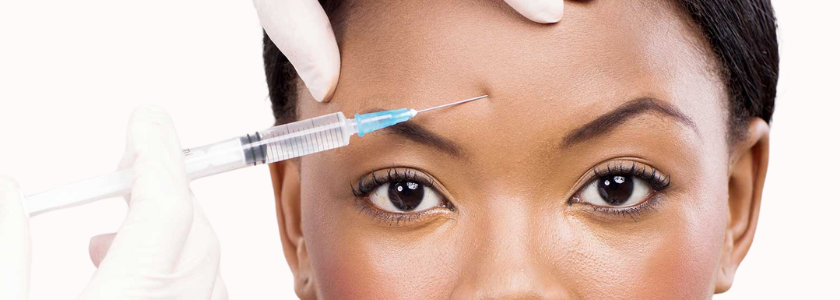
Botox is a trendy cosmetic treatment, with the purpose of reducing the appearance of fine lines and wrinkles on the face. It is a purified protein injected into the facial muscles to temporarily paralyze them, smoothing out wrinkles and fine lines. Botox works by blocking the signals from the nerves to the muscles, effectively reducing muscle activity that causes wrinkles.
The most common areas for Botox injections include the forehead, between the eyebrows, and around the eyes (crow’s feet). This treatment is favored for its quick results and minimal downtime, making it a go-to for those seeking a youthful appearance without invasive surgery.
How Long Does Botox Last?
The effects of Botox typically last between 3 to 6 months, though this can vary from person to person. As a temporary muscle relaxant, Botox smooths out wrinkles and lines by reducing muscle activity. The initial effects of Botox usually start to become noticeable within 4-5 days, with the full results visible within 2-3 weeks post-treatment.
As muscle activity gradually returns, the wrinkles and lines can and will reappear, demanding follow-up treatments to maintain the desired look of wrinkle free skin. Over extended use muscle resistance can occur.
Pros of Botox:
-
Reduces Wrinkles and Fine Lines – Botox is highly effective in smoothing out existing wrinkles and preventing new ones from forming. Additionally, Botox can help improve skin texture by reducing the appearance of dead skin cells.
-
Quick and Non-Invasive – The procedure takes only minutes with minimal downtime.
-
Long-Lasting Results – Results can last between three to six months.
-
Prevents Wrinkle Formation – Botox can be used preventatively to slow the aging process.
-
Boosts Confidence – Many individuals feel more confident and youthful after Botox treatments.
Cons of Botox:
-
Temporary Effects – Botox needs to be reapplied every few months.
-
Potential Side Effects – Some people experience bruising, swelling, or slight asymmetry. Avoiding drinking alcohol post-treatment can help minimize bruising and swelling.
-
Cost – Regular treatments can become expensive over time.
-
Not Suitable for All Wrinkles – Botox is ineffective for wrinkles caused by sun damage or skin laxity.
-
Requires Professional Administration – Botox should only be administered by a qualified professional to ensure safety and efficacy. Following post-Botox treatment guidelines is crucial to ensure optimal results.
What is Retinol & Its Role in Your Skincare Routine?
Retinol, a derivative of Vitamin A, is one of the most well-researched and effective skincare ingredients. It works by increasing cell turnover and stimulating collagen production, leading to smoother, firmer skin over time. Laser treatments are another effective option for enhancing skin health, alongside retinol.
Pros of Retinol:
-
Boosts Collagen Production – Helps improve skin elasticity and firmness.
-
Reduces Fine Lines & Wrinkles – Over time, retinol can smooth the skin and reduce the appearance of wrinkles.
-
Evens Skin Tone – Retinol helps fade hyperpigmentation and dark spots.
-
Unclogs Pores & Prevents Acne – Great for those with acne-prone skin.
-
Improves Skin Texture – Regular use results in softer and more even skin.
Cons of Retinol:
-
Can Cause Irritation – Dryness, peeling, and redness are common side effects, especially for beginners.
-
Increases Sun Sensitivity – Retinol makes the skin more susceptible to UV damage, meaning using sunscreen is highly recommended.
-
Takes Time to Show Results – Unlike Botox, retinol requires consistent use over weeks or months.
-
Not Suitable for Sensitive Skin – Some people may not tolerate retinol well.
-
Potential for Overuse – Using too much retinol can cause excessive dryness and irritation.
Can You Use Retinol After Botox?
The combination of Botox and retinol can be powerful, but it’s crucial to use them correctly to avoid irritation or adverse effects. Proper botox aftercare is essential when combining these treatments to minimize side effects and ensure optimal results.
How They Complement Each Other:
-
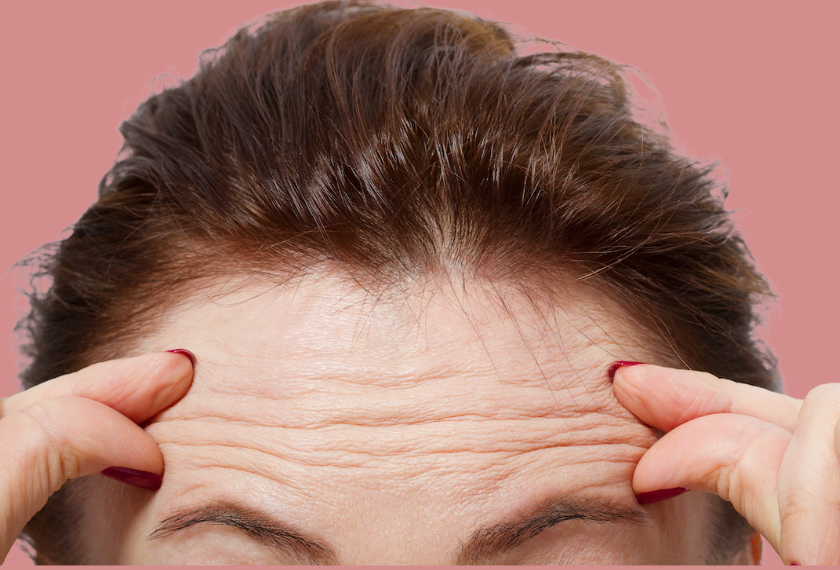
Botox works instantly, while retinol works gradually. Together, they provide both immediate and long-term anti-aging benefits.
-
Botox relaxes the muscles that cause wrinkles, while retinol improves skin texture and elasticity over time.
-
Using both can result in smoother, more youthful skin with fewer wrinkles and improved skin tone.
-
Retinol enhances the longevity of Botox results by promoting healthier skin.
-
Both treatments target different aspects of aging, making them an excellent combination for comprehensive skincare.
Precautions and Botox Aftercare When Using Retinol:
-
Wait at Least 24-48 Hours – After receiving Botox injections, your skin may be sensitive. Avoid applying retinol for at least one to two days to prevent irritation. Following post botox treatment guidelines, such as avoiding alcohol consumption for at least 24 hours, is crucial to ensure optimal results and minimize the risk of bruising and swelling.
-
Use a Gentle Skincare Routine – Stick to hydrating cleansers, soothing moisturizers, and avoid exfoliants for a few days post-Botox.
-
Apply Retinol Sparingly – Start with a small amount and gradually increase frequency to monitor how your skin reacts.
-
Use Sunscreen Daily – Since retinol increases sun sensitivity, always wear broad-spectrum SPF 30 or higher.
-
Avoid Harsh Ingredients – Skip strong acids and exfoliants in the days following Botox to prevent excessive irritation.
-
Consult a Dermatologist – If you experience redness, excessive dryness, or discomfort, seek professional advice.
Skincare Routine After Botox
It's crucial to maintain a good skincare routine after Botox treatment. When done the right way you will enhance the effects of the treatment and promote healthy, youthful-looking skin. A well-rounded skincare routine can address factors that affect the longevity of Botox results, such as lifestyle habits like smoking, sun exposure, and stress. By promoting healthy skin cell turnover and improving skin texture, a consistent skincare regimen can help you get the most out of your Botox treatments.
Importance of Skincare After Botox Injections
Skincare is essential to enhance the effects of Botox and promote healthy, youthful-looking skin. A good skincare routine can help promote healthy skin cell turnover and improve skin texture. Using products with antioxidants and SPF can help protect the skin from sun damage and free radicals.
Moisturizers can help hydrate and plump the skin, enhancing the effects of Botox and improving skin texture. Incorporating these elements into your daily routine can help maintain the smooth, youthful appearance achieved with Botox injections.
Tips for Post-Botox Skincare
To maintain healthy, youthful-looking skin after Botox, follow a consistent skincare routine tailored to your skin type. Here are some tips:
-
Use Gentle Products: Opt for gentle cleansers and moisturizers that are suitable for your skin type to avoid irritation.
-
Sun Protection: Protect your skin from sun exposure by using a broad-spectrum sunscreen and wearing protective clothing.
-
Stay Hydrated: Drink plenty of water to keep your skin hydrated and support overall skin health.
-
Avoid Blood Thinners: Don't use blood-thinning medications or supplements like aspirin, ibuprofen, or fish oil for at least a week after treatment to avoid complications.
-
Limit Alcohol: Avoid drinking alcohol for at least 24 hours post-treatment to reduce the risk of bruising.
-
Skip Strenuous Activities: Avoid strenuous exercise or activities for at least 24 hours after your Botox treatment.
-
Avoid Harsh Chemicals: Steer clear of products containing harsh chemicals or fragrances that can irritate the skin.
-
Hands Off: Avoid touching or rubbing the treated area to prevent any potential complications.
By following these tips, you can enhance the effects of your Botox treatment and maintain a healthy, glowing complexion.
Best Practices for Combining Retinol and Botox to Boost Collagen Production
To maximize the benefits of both treatments, follow these skincare tips:
-
Start Slowly with Retinol – If you’re new to retinol, begin by using it once or twice a week before gradually increasing usage. Retinol helps exfoliate dead skin cells, enhancing skin texture and supporting healthy skin cell turnover.
-
Hydrate Your Skin – Use a moisturizer to prevent dryness and irritation from retinol.
-
Use a High-Quality Sunscreen – Protect your skin from sun damage, as retinol makes it more photosensitive.
-
Schedule Botox Appointments Wisely – Plan Botox treatments around your skincare routine to avoid complications.
-
Consider Other Anti-Aging Ingredients – Hyaluronic acid and peptides can complement Botox and retinol for enhanced results.
Final Thoughts: Should You Use Retinol After Botox?
Yes, you can use retinol after Botox, but you need to introduce it carefully into your post-treatment skincare routine. Please wait a couple days after being injected. Botox provides an instant wrinkle-smoothing effect, while retinol enhances skin health over time.
Proper aftercare following a botox injection is crucial for maintaining the benefits of both treatments. When used correctly, these two can work synergistically to maintain youthful, glowing skin.
If you’re unsure whether this combination is right for you, consult with your dermatologist or skincare professional to create a tailored routine that meets your skin’s needs.
By following these best practices, you can enjoy the benefits of both Botox and retinol without compromising skin health. Ready to maximize your anti-aging regimen? Start integrating these skincare powerhouses today!
FAQs About Using Retinol After Botox
Q: How long after Botox can I start using retinol?
A: Wait at least 24-48 hours to allow the skin to settle before applying retinol.
Q: Can retinol make Botox wear off faster?
A: No, but using retinol properly can help improve overall skin health, making Botox results look even better.
Q: Is it safe to use retinol every night after Botox?
A: It depends on your skin’s tolerance. Start with a few times a week and adjust accordingly.
Q: What other skincare products should I use with Botox and retinol?
A: Hydrating serums, gentle cleansers, and broad-spectrum sunscreen are essential for maintaining healthy skin.