

Welcome back, skincare enthusiasts! We are always trying new and creative ways to combat aging. One of those ways is using a gel called adapalene. The question becomes should you add this ingredient to your skincare regimen? Let's talk about what adapalene is and how it works.
Wrinkles, fine lines, and other signs of aging are common concerns for many individuals seeking to maintain youthful glowing skin. In recent years, adapalene, a topical retinoid primarily used for acne treatment, has grasped the attention of the skincare industry for its potential benefits in combating wrinkles and improving overall skin texture. Today, we will explore the science behind adapalene, its mechanism of action in addressing wrinkles, practical application tips, comparisons with other anti-aging treatments, real-life experiences, frequently asked questions, and more.
Understanding Adapalene
Adapalene belongs to a class of medications known as retinoids, which are vitamin A derivatives. Unlike other retinoids such as tretinoin, adapalene is a third-generation retinoid, making it less irritating to the skin while maintaining efficacy. The lower irritation potential makes it suitable for individuals with sensitive skin. It works by promoting cell turnover, preventing the formation of comedones (clogged pores), and stimulating collagen production, which is essential for maintaining skin elasticity and firmness.
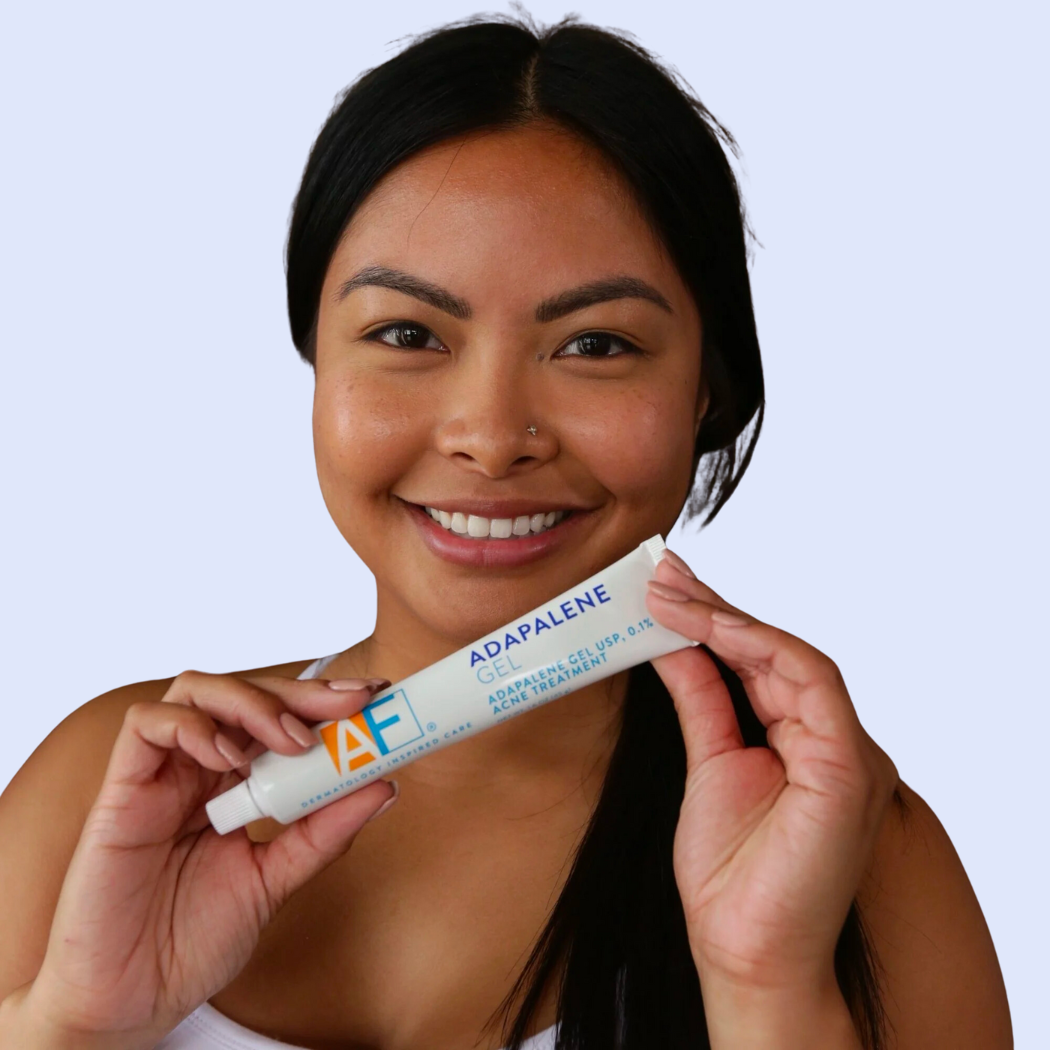
Adapalene is available in various formulations, including gels, creams, and lotions, and is typically applied once daily to affected areas. Like many topical gels or creams that help treat aging, adapalene gel should be monitored for best results. These retinoids have different strengths and some work better for various skin types. It could be found in popular treatments like differin gel.
Understanding Wrinkles and Their Causes
Wrinkles, those inevitable markers of aging, are the result of a complex interplay of intrinsic and extrinsic factors. Intrinsic aging, driven by the natural decline in collagen and elastin production, leads to decreased skin elasticity and firmness. Extrinsic factors, including sun exposure, smoking, pollution, and repetitive facial expressions, accelerate the aging process by inducing oxidative stress and collagen breakdown. Understanding the underlying mechanisms of wrinkle formation is crucial for selecting effective treatment strategies. It also helps to understand why they form and what may be causing them. Some things are out of your control, while others you can actively treat.
Wrinkles manifest as fine lines, creases, and sagging skin due to the gradual degradation of collagen and elastin fibers in the dermis. Collagen, the structural protein responsible for skin strength and resilience, undergoes progressive loss with age, leading to decreased skin firmness and increased susceptibility to wrinkling.
Mechanism of Action
Can Adapalene Help with Wrinkles? Yes, the formation of wrinkles is a multifactorial process involving intrinsic aging, extrinsic factors such as sun exposure and environmental pollutants, and genetic predisposition. Adapalene addresses several key aspects of wrinkle formation by accelerating cell turnover, which helps to slough off dead skin cells and promote the growth of new, healthy skin cells.
Additionally, adapalene increases collagen synthesis in the dermis, the deeper layer of the skin, leading to improved skin texture and reduced appearance of wrinkles over time. Remember to treat skin ailments we must treat at the root cause because the skin works from inside to out. Clinical studies have shown that adapalene is effective in reducing both fine lines and deeper wrinkles, with noticeable improvements observed after several weeks of consistent use.
Using Adapalene for Wrinkles
Incorporating adapalene into your skincare routine requires careful consideration of several factors, including skin type, sensitivity, and the severity of wrinkles. Dermatologists typically recommend starting with a pea-sized amount of adapalene applied to clean, dry skin once daily, preferably in the evening. The reason is that bedtime is when our skin does the majority of its work. It's not recommended to be exposed to direct sunlight while using adapalene.
It's essential to use a moisturizer to prevent dryness and irritation, especially during the initial stages of treatment. Your skin can take a few days to weeks to adapt to the formula. As mentioned, adapalene can increase sun sensitivity, so it's crucial to apply a broad-spectrum sunscreen with SPF 30 or higher during the day. Results may vary from person to person, but most individuals experience smoother, more radiant skin with continued use of adapalene.

Proper Usage and Dosage
Proper usage of adapalene involves applying a thin layer to the affected areas and avoiding contact with mucous membranes, eyes, and mouth. It's essential to use a gentle cleanser and moisturizer to maintain skin hydration and minimize potential dryness or irritation. Adapalene is available in various strengths, with higher concentrations reserved for more severe acne or resistant cases.
Expected Results and Timelines
Patience is key. How many times have we heard that saying? Well, it's true results can become in several weeks to months with consistent use. Initial improvements in skin texture, tone, and clarity may be observed within the first few weeks of treatment, with progressive reductions in wrinkle depth and severity over time. Consistency and adherence to treatment guidelines are key to achieving optimal outcomes with adapalene.
Tips for Optimizing Results
To optimize the results of adapalene gel, several practical tips can be implemented. These include starting with a lower concentration and gradually titrating up to higher strengths, incorporating adapalene into a skincare regimen that includes sunscreen and moisturizer. Avoid the use of potentially irritating or drying products such as abrasive scrubs or drying products.
Side Effects of Adapalene
Be mindful that some people do experience some downsides when using adapalene. Dryness is likely to occur when first using the product. Your skin is reacting to a new chemical on skin and will need time to adapt. Purging is another issue that can form. Adapalene also helps treat acne and penetrates deep in the skin. It can push bacteria to the skin's surface and cause breakouts. Usually, your skin will start to improve after this process.
Expert opinion is to use a pea-sized amount and increase as needed. For best results, ease into use every other day. Once comfortable, daily use is permitted. Always seek a licensed medical professional with any advice or questions.
Comparing Adapalene with Other Anti-Wrinkle Treatments
Overview of Other Common Anti-Wrinkle Treatments
In addition to adapalene, many anti-aging treatments are available, ranging from over-the-counter skincare products to prescription medications and minimally invasive procedures. These include retinoids, hyaluronic acid fillers, botulinum toxin injections, chemical peels, microdermabrasion, and laser resurfacing, each with its own unique mechanism of action and clinical indications.
Comparative Analysis of Adapalene with Retinoids, Hyaluronic Acid, Botox
Compared to other retinoids such as tretinoin or tazarotene, adapalene exhibits a lower incidence of skin irritation and dryness, making it more tolerable for sensitive skin. Hyaluronic acid fillers provide immediate volumizing effects and are often used in conjunction with retinoid therapy to address wrinkles that are always present. Botulinum toxin injections (Botox) offer temporary relaxation of facial muscles, thereby reducing the appearance of dynamic wrinkles, while chemical peels and laser resurfacing target superficial and deep wrinkles, respectively.
Pros and Cons of Each Treatment Option
Each anti-aging treatment modality has its own advantages and limitations, which should be carefully weighed against individual preferences, treatment goals, and budgetary considerations. Adapalene offers the advantage of accessibility, affordability, and relative ease of use compared to more invasive procedures such as injectables or laser therapy. However, it may require longer treatment durations to achieve comparable results, and some individuals may experience initial skin irritation or dryness during the adjustment period.
Bonus - Adapalene Treating Acne
As we mentioned earlier, adapalene has the added benefit of treating acne. Acne could increase the rate of aging, so it's welcomed that it can help to clean pores and improve skin texture at the same time. Make sure to keep your skin hydrated throughout the day and not overuse.
Adapalene gel staining
One thing to keep in mind is that when you apply the gel to your face. It has bleaching agents so be careful not to spread to your clothes or pillowcases.
Summary
In conclusion, adapalene is a valuable tool in the fight against wrinkles and other signs of aging, offering a well-established mechanism of action and a favorable safety profile. Most adapalene treatments can be purchased without prescription retinoids By promoting cell turnover, stimulating collagen production, and improving overall skin texture, adapalene helps to restore youthfulness to the skin. With regular use individuals can improve skin color, preventing hyperpigmentation in certain skin conditions.