

Does Tretinoin Expire?
Realistically all skincare products expire at some point. Certain skincare remedies last longer than others, however. Inside this article, you will learn more about the powers of tretinoin and tips on how to determine whether you should replace your products.
Tretinoin, a powerhouse ingredient in the world of skincare, has gained immense popularity for its versatile ability to combat acne, reduce fine lines, and improve overall skin texture. As with any skincare product, questions about its shelf life and expiration inevitably arise. Does tretinoin expire? How can you tell if it's no longer effective? What are the risks of using expired tretinoin? This article will explain the answers to these questions, providing you with the correct information to ensure you're using this potent ingredient safely and effectively. Following along should result in your best skin.
Understanding Tretinoin
Before we dive into the expiration of tretinoin, it's crucial to understand what it is and how it works. Tretinoin, also known as all-trans retinoic acid, is a topical retinoid derived from vitamin A. It's primarily used in dermatology for treating acne, fine lines, wrinkles, and uneven skin tone. Tretinoin's main function is to increase cell turnover, stimulate collagen production, and regulate skin cell function.
Tretinoin is available in various forms, including creams, gels, and lotions, and in different concentrations ranging from 0.01% to 0.1%. It's a prescription-only medication in many countries due to its potency and potential side effects.
Consult with a licensed doctor if you are using different medications or have various skin conditions. A healthcare professional will be able to give the recommended dosage.
Expiration of Tretinoin
Like most pharmaceutical and skin care products, tretinoin does indeed have an expiration date. The expiration date is typically printed on the packaging and is determined by the manufacturer based on stability testing. This date indicates when the product is expected to remain stable and effective when stored under recommended conditions.
However, the actual shelf life of tretinoin can be influenced by several factors:
Packaging
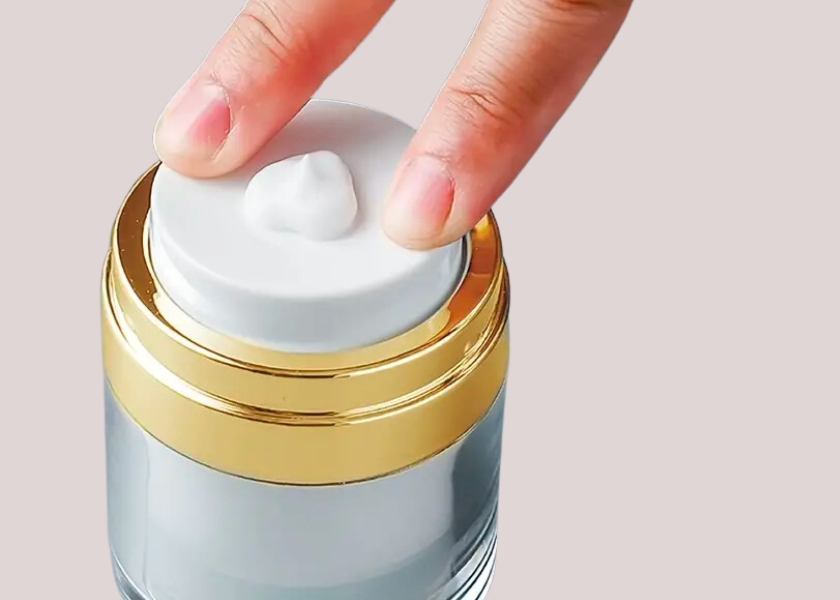
Tretinoin is sensitive to light and air. Most tretinoin products come in opaque, airtight tubes or pumps to protect the active ingredient from degradation.
Storage conditions
Temperature, humidity, and exposure to light can all affect the stability of tretinoin. Proper storage is crucial for maintaining its efficacy.
Formulation
The other ingredients in the product, such as preservatives and stabilizers, can impact how long tretinoin remains stable.
Signs of Expired Tretinoin
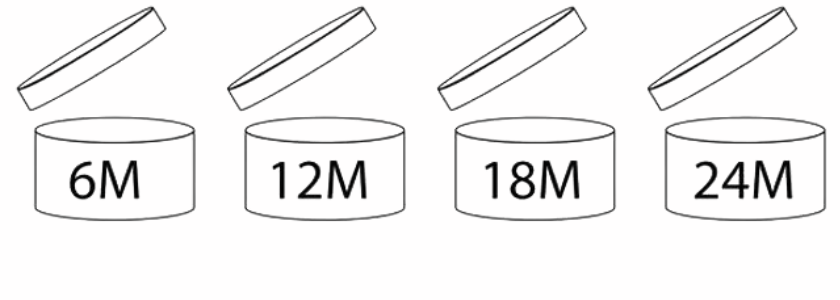
While the expiration date is a good guideline, it's also important to be aware of physical signs that your tretinoin may have degraded. As mentioned above active ingredients in tretinoin expiration can be determined by storage and packaging.
Changes in color
Tretinoin is typically white or pale yellow. If you notice any significant discoloration, it may indicate that the product has expired.
Changes in texture
If the product becomes grainy, separated, or has an unusual consistency, it may have expired.
Changes in smell
An unusual or strong odor could indicate that the product has gone bad.
Reduced effectiveness
If you've been using tretinoin regularly and suddenly notice a decrease in its effectiveness, it could be a sign that the product has expired.
Proper Storage of Tretinoin
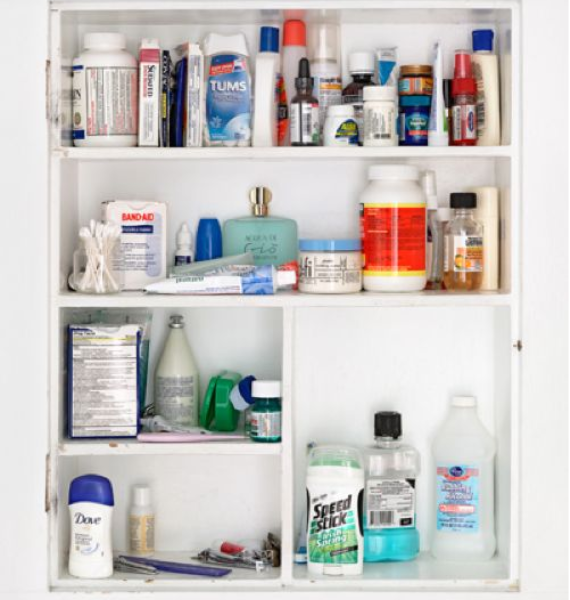
To maximize the shelf life of your tretinoin product, proper storage is essential:
Keep it cool
Store your tretinoin at room temperature, ideally between 68-77°F (20-25°C). Avoid storing it in the bathroom, where temperature and humidity can fluctuate.
Protect from light
Always keep tretinoin in its original packaging and store it in a dark place. Light exposure can degrade the active ingredient.
Don't leave it out on a table or near windows. A medicine cabinet is a great spot to store tretinoin.
Seal tightly
Make sure to close the cap tightly after each use to prevent air exposure.
Avoid contamination
Wash your hands or applicators prior to use when applying tretinoin to prevent introducing bacteria into the product.
Don't mix other skincare products with your tretinoin serums.
Storage Guidelines
Following these storage guidelines will get the most out of your beauty products in general. This will help ensure that your tretinoin remains effective for as long as possible.
Risks of Using Expired Tretinoin
While using expired tretinoin may not be immediately harmful, it can pose potential risks. Common side effects or observations you might experience:
Reduced efficacy
The primary concern with expired tretinoin is that it may not be as effective. As the active ingredient degrades over time, you may not see the desired results in your skin.
Skin irritation
Expired tretinoin may cause increased inflammation or sensitivity. This is because the degradation of the product can lead to the formation of irritating compounds. Other irritations that may occur include dry skin, worsened acne, and clogged pores.
Bacterial growth
If the preservatives in the product have broken down, there's a risk of bacterial contamination, which could lead to skin infections. Bacteria could cause serious side effects. This is why storage conditions are important. The right temperature and keeping away from sun exposure will be crucial.
Allergic reactions
Changes in the product's composition over time could potentially trigger allergic reactions in some individuals. There also could be a chemical reaction to certain medications or other medications currently in use.
When to Replace Tretinoin
To ensure you're getting the most out of your tretinoin treatment, consider the following guidelines for when to replace your product:
Follow the expiration date
The most straightforward approach is to replace your tretinoin once it reaches its expiration date. This date is typically 1-2 years from the manufacture date. A lot like food expirations, it's just not worth the risk.
Assess product condition
Even if the expiration date hasn't passed, if you notice any changes in color, texture, or smell, it's best to replace the product.
Consider usage patterns
If you've had an opened tube of tretinoin for more than 12 months, it may be wise to replace it, even if it hasn't reached its expiration date. You can test and see if you're getting the same results as when you first used the product.
Consult your dermatologist
If you're unsure about whether your tretinoin is still good, don't hesitate to ask your dermatologist for advice. This advice will always be advised because when you're not sure of something, a doctor is a good way to get on the right track.
The Science Behind Tretinoin Stability
To understand why tretinoin expires, it's helpful to understand the science behind its stability. Tretinoin is a molecule that's sensitive to oxidation, a chemical reaction that occurs when it's exposed to oxygen. This oxidation process can be accelerated by heat, light, and air exposure. Hence why the design of the bottle and storage is of importance.
When tretinoin oxidizes, it breaks down into less active compounds, reducing its effectiveness. This is why proper packaging and storage are so crucial – they're designed to minimize oxidation and preserve the active ingredient for as long as possible.
Researchers have conducted studies to assess the stability of tretinoin under various conditions. For example, a study published in the International Journal of Pharmaceutics found that tretinoin creams stored at room temperature maintained their potency for at least 3 months after opening, while those stored at higher temperatures degraded more quickly.
Another study in the Journal of Pharmaceutical and Biomedical Analysis examined the photostability of tretinoin, confirming its sensitivity to light and emphasizing the importance of opaque packaging.
Tretinoin vs. Other Retinoids
It's worth noting that the expiration and stability considerations for tretinoin may differ from those of other retinoids. For instance, over-the-counter retinol products are generally less potent and may have different stability profiles. Adapalene, another prescription retinoid, is known for its increased stability compared to tretinoin.
However, regardless of the specific retinoid, proper storage and adherence to expiration dates are always recommended for optimal efficacy and safety.
Environmental Impact and Proper Disposal
When considering the expiration of tretinoin, it's also important to think about the environmental impact of disposing of expired or unused products. Pharmaceutical waste can contribute to environmental pollution if not disposed of properly.
To minimize environmental impact
-
Don't flush tretinoin down the toilet or sink, as this can contaminate water systems.
-
Check with your local pharmacy or waste management facility for medication take-back programs.
-
If no take-back options are available, mix the product with an undesirable substance (like used coffee grounds or cooking grease), seal it in a plastic bag, and dispose of it in the trash.
Summarizing
In answer to the question "Does tretinoin expire?" – yes, it does. Like all skincare and pharmaceutical products, tretinoin has a limited shelf life. While the expiration date provided by the manufacturer is a good guideline, it's also important to be aware of signs that your tretinoin may have degraded, such as changes in color, texture, or smell.
Proper storage is key to maximizing the shelf life of your tretinoin product. Keep it cool, away from light, tightly sealed, and avoid contamination. By following these guidelines, you can help ensure that your tretinoin remains effective for as long as possible.
Using expired tretinoin may not only reduce its effectiveness but could also potentially cause skin irritation or other adverse effects. Therefore, it's best to replace your tretinoin product once it expires or shows signs of degradation.
Remember, tretinoin is a powerful skincare ingredient that can yield impressive results when used correctly. By understanding its expiration process and taking proper care of your product, you can maximize its benefits and maintain healthy, radiant skin.
As always, if you have any concerns about your tretinoin product or its effects on your skin, don't hesitate to consult with a dermatologist or healthcare provider. They can provide personalized advice based on your specific skin type and concerns, ensuring you get the most out of your skincare routine while prioritizing your skin's health and safety.