

How to use a cleanser?
Facial Cleanser
Cleansing is a crucial step in any skincare routine, and using a cleanser correctly is essential for achieving the best results. Before we can achieve the results we want, we first have to clean all of the dirt off our face. Good facial cleansers remove dirt, makeup, and other impurities from the skin, leaving the surface clean and refreshed. In this article, we will discuss the proper way to use a cleanser and some tips to get the most out of your cleansing routine.
Step 1: Choose the Right Cleanser
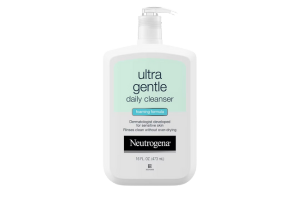
Before you can start using a cleanser, you need to select the right one for your skin type. There are several types of cleansers available, such as foaming, cream, gel, oil, and micellar water. Personally, I opt for a gentle cleanser, because of my skin type. Each type is designed to work with specific skin types and concerns. For example, if you have oily skin, you may want to choose a foaming cleanser that will help remove excess oil. If you have dry or sensitive skin, a cream or oil-based cleanser could be a better option as it can help to hydrate and nourish your skin.
It's also essential to check the ingredients list on the cleanser to ensure that it doesn't contain any ingredients that may irritate your skin. If you have sensitive skin, look for cleansers that are fragrance-free and contain mild, non-irritating ingredients. Some toxic ingredients like Formaldehyde and Parabens are good to steer away from.
Step 2: Wet Your Face

Before applying your cleanser or face wash, wet your face with lukewarm water. This will help to open up your pores and also make it easier for the cleanser to penetrate the skin. Avoid using hot water as it can strip your skin of its natural oils, leading to dryness and irritation.
Step 3: Apply the Cleanser
Start by taking a small amount of the face wash and apply cleanser to your fingertips. Gently massage the cleanser onto your face in circular motions. Be sure to avoid the eye area as some cleansers can irritate the eyes. Work the cleanser into a lather and evenly massage for 30 seconds to a minute.
If you are wearing makeup, use a makeup remover before cleansing to ensure that all makeup is removed. This will help to prevent clogged pores and breakouts.
Step 4: Rinse Off
After you have massaged your face with the cleanser, rinse it off thoroughly with lukewarm water. Be sure to remove all traces of the cleanser, as leaving any residue can lead to irritation or breakouts and other skin problems.
Step 5: Pat Dry
After you have rinsed off the cleanser, pat your face dry with a clean soft towel or cotton pad. Avoid rubbing your face with the towel because this can cause irritation and dryness.
Additional Tips
Here are some additional tips to help you get the most out of your cleansing routine and ensure you have the clean skin you're looking to achieve.
-
Cleanse your face twice a day
-
It's smart to wash your face once in the morning and once at night, to remove dirt and oil buildup. This will help to keep your skin clean and prevent clogged pores and breakouts.
-
-
Be gentle
-
When massaging the cleanser onto your face, be gentle, as scrubbing too hard can cause irritation and damage to your skin. Use your fingertips to massage the cleanser in a circular motion always.
-
-
If you have acne-prone skin

-
You want to look for cleansers that contain salicylic acid or benzoyl peroxide to help prevent breakouts. These ingredients can help to unclog pores, reduce inflammation, and potential acne scarring.
-
-
Always use lukewarm water to rinse off your cleanser
-
As mentioned a few times above, hot water can cause dryness and irritation. Lukewarm water is also better for your skin's natural moisture barrier. Remember we want our skincare routine to bring out the best in our skin. Cold water isn't as effective in removing impurities.
-
-
If you have dry or sensitive skin
-
Avoid using harsh or abrasive cleansers as they can strip your skin of its natural oils. Look for cleansers that are gentle and contain moisturizing ingredients such as glycerin, ceramides, and hyaluronic acid.
-
-
If you are using a foaming cleanser
-
Be sure to gently use your fingertips when working it into a lather. Use small circular motions when working in. Watch for excessive agitation because then the cleanser will foam excessively and strip your skin of its natural oils.
-
-
If you wear heavy makeup
-
Consider using an oil-based cleanser to help dissolve and remove makeup more effectively. Oil-based cleansers are also beneficial for dry skin types as they help to hydrate and nourish the skin.
-
-
Consider double cleansing if you wear makeup or sunscreen regularly
-
Double cleansing involves using an oil-based cleanser to remove makeup or sunscreen, followed by a water-based cleanser to cleanse the skin thoroughly. This helps make sure all traces of makeup and impurities are removed from the skin before treatment.
-
-
If you have combination skin, consider using a gel cleanser
-
Gel cleansers are lightweight and can help to remove excess oil without stripping the skin of its natural moisture.
-
-
If you have mature skin
-
Look for cleansers that contain anti-aging ingredients such as retinol, vitamin C, or peptides. These ingredients can help to improve skin texture, reduce the appearance of fine lines and wrinkles, and promote collagen production. Some can also help to treat mild acne.
-
-
Don't forget to cleanse your neck and upper chest
-
These areas also accumulate dirt and oil and should be included in your cleansing routine. Especially if noticeable with certain apparel you'll want to make sure the skin is smooth and clean.
-
-
Consider using a cleansing brush or tool
-
To help improve the effectiveness of your cleanser. These tools can help to remove impurities from deep within the pores and improve circulation, leading to brighter, healthier-looking skin. It's important to not be harsh on the skin. Also don't squeeze and pick at your skin, you're most likely to make it worse.
-
-
Be consistent with your cleansing routine
-
It may take several weeks for you to see the full benefits of a new cleanser or cleansing routine, so be patient and consistent in your efforts. Just like any routine, you have to stay persistent to see the desired results.
-
Lastly
Clearly using a facial cleanser is an essential step in any skincare routine. They can have a positive effect on the total health of our skin by choosing what's best for you. By following these tips and guidelines, you can ensure that you are using your cleanser correctly and getting the most out of your cleansing routine.
Remember to choose a cleanser that is suitable for your skin type, be gentle when massaging it into your skin, and rinse it off thoroughly with lukewarm water. With consistent use, you can achieve clean, healthy-looking skin that glows from within.