

Attaining the Flawless Look: A Guide on How to Treat Your Skincare Routine
Skincare is a deeply complex personal journey for many, and the key to unlocking radiant skin lies in understanding and treating your unique skin concerns. You may ask yourself how should I treat skincare in my life? Or how should I treat the skincare conditions that I currently have?
Before we get into the details of each, the answer is it depends! As many of you know by now the principle of a great skincare routine remains the same.
-
Consistency
-
Knowledge
-
Ingredients
-
Adaptability
-
Patience
The principles listed above are how you have to attack skincare. A daily consistent routine will have numerous benefits for you. Keep with it and be patient as results and good habits take time. Understanding what kind of skin type you have is a must if you want your routine to work.
It goes hand in hand with the right ingredients to treat certain skincare conditions. Always be able to adapt to what your skin is telling you. Maybe you're getting too much dry skin for example. Time to pivot!
We'll explore the essentials of establishing a basic skincare routine and delve into targeted treatments for common skin ailments. From acne to aging, we'll provide detailed insights to help you craft a personalized routine that caters to your skin's specific needs.
Establishing a Basic Skincare Routine:
A solid foundation is crucial for effective skincare. The five-step routine—cleanse, tone, treat, moisturize, and protect—lays the groundwork for healthy skin.
Cleansing
Start with a gentle cleanser to remove impurities without stripping the skin of its natural oils. A lot of newer cleansing products are really good for the skin and don't dry it out as much as previous generations. For those with acne-prone skin, look for cleansers containing salicylic acid or benzoyl peroxide to address breakouts. Dry skin benefits from hydrating cleansers that replenish moisture.
Toning
Toning is often underestimated but plays a pivotal role in balancing the skin's pH. Opt for toners with ingredients like witch hazel for oily skin or rose water for sensitive skin. This step prepares the skin to absorb subsequent products. Making sure your skin is balanced is so important to curb inflammation.
Treating
Treating is going to be the specific products or areas you focus on. Often you will use some formulated serum for treatment of specific needs. This is where the majority of the skincare routine will work. When dealing with a clean canvas we will prevent unwanted impurities, while restoring our face to normal.
Please be careful when mixing multiple products, we don't want more permanent damage like scarring to occur.
Moisturizing
Regardless of skin type, moisturizing is non-negotiable. For dry skin, opt for rich, hydrating creams, while those with oily skin should choose oil-free, lightweight formulations. Moisturizers with hyaluronic acid are excellent for maintaining skin hydration.
If you want to reap the benefits of your treatment stage. Make sure you moisturize after. You can also keep moisturizing your skin throughout the day if needed as well.
Protecting
Protecting the skin is always an important often neglected stage in skincare. You could wear hats or umbrellas to keep UVA rays directly out of your face. Sun protection is honestly a must if you want a flawless look on your skin.
Especially with a morning routine. If you have noticed someone with really tan skin usually has a leathery look to the skin. That is from deep penetration of sunlight.
Identifying Your Skin Type
Understanding your skin type is the cornerstone of an effective skincare routine. Without knowing your skin type you are essentially throwing mud at the wall hoping it sticks. Don't do this!
Oily Skin
Ugh. If you have oily skin, you understand how much of a pain it is to treat. It's imperative we use a light moisturizer so our skin can absorb. Also really don't touch your face, because the oil on your hands will spill over and cause whiteheads.
Consider incorporating oil-free products and non-comedogenic formulations. Look for ingredients like niacinamide to regulate oil production.
Dry Skin
Combat dryness with a skincare routine rich in moisturizing ingredients. Hyaluronic acid, glycerin, and ceramides work wonders to replenish and lock in moisture. Use moisturizer more often throughout the day.
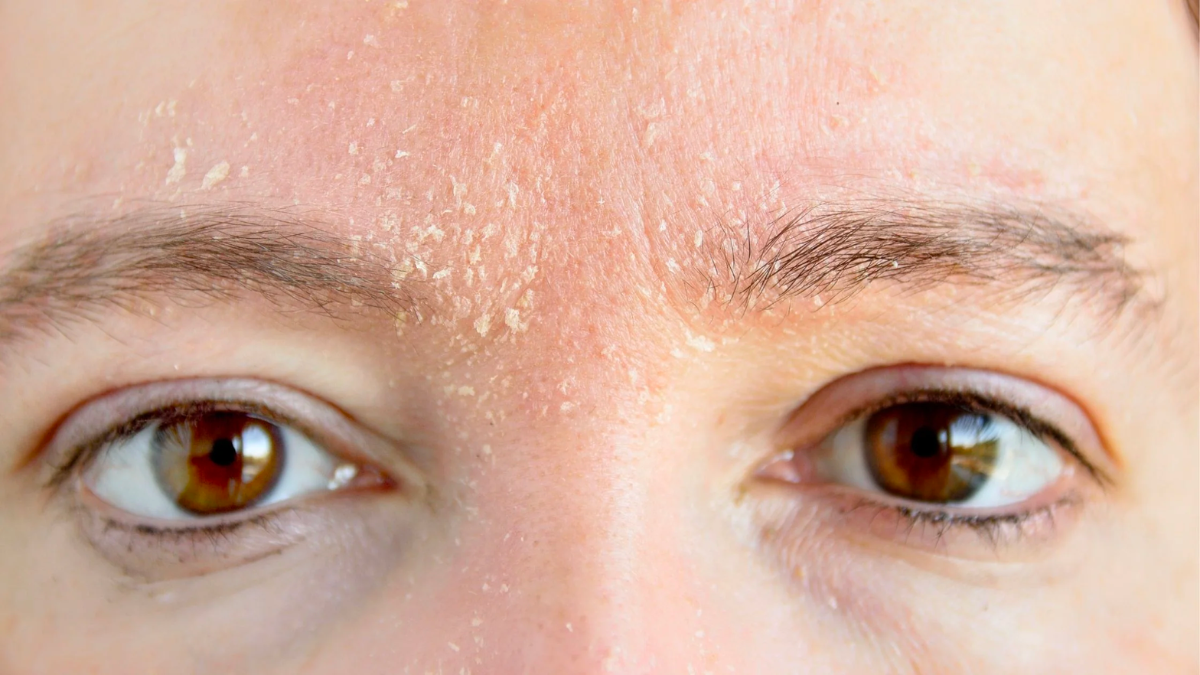
Combination Skin
Balancing both oily and dry areas requires a nuanced approach. Use different products for different areas of your face, tailoring your routine to each region's specific needs. Usually around the T-zone, you could have a combination of oily and the rest of your face dry.
Sensitive Skin
Sensitive skin demands extra care. Choose hypoallergenic products with soothing ingredients such as chamomile or aloe vera. Patch-test new products to avoid potential irritants.
Be careful and look for sensitive skin cleansing products as well. regular soaps can be too drying, causing inflammation.
Treating Common Skin Ailments

Acne Treatment
Acne sometimes is a persistent challenge, but a well-crafted skincare routine can make a significant difference. In addition to cleansers with salicylic acid and benzoyl peroxide, consider incorporating exfoliating acids like glycolic or lactic acid to unclog pores. Consistency is key, and for severe cases, consult with a dermatologist for the best treatment options.
Dry Skin Treatment
Addressing dry skin requires a multi-faceted approach. Hydrating cleansers and moisturizers are essential, but don't forget to incorporate a weekly hydrating mask and overnight treatment.
Nighttime is where our skin does most of its healing. Use a product tailored for overnight use. Consider facial oils containing jojoba or argan oil to lock in moisture.
Aging Skin Treatment
Aging is a natural process, but a well-rounded skincare routine can help minimize its effects. Introduce retinol, a potent anti-aging ingredient, into your routine. Vitamin C serums are excellent for brightening the complexion and reducing the appearance of fine lines. Sunscreen is your greatest ally in preventing premature aging (sagging skin)—use it daily. Peptides are also a good ingredient to try.
Sensitivity and Redness
Sensitive skin requires gentle care. Opt for fragrance-free products and avoid harsh ingredients like alcohol. Incorporate products with anti-inflammatory properties, such as calendula or green tea extract.
When in doubt, consult with a dermatologist for a personalized approach. There are a lot of products out there to try to combat redness. It's also considered to use a greenish cream to combat the redness color from appearing as bright.
Advanced Treatments
Exfoliation
Exfoliation is a game-changer for achieving a radiant complexion. Regular exfoliation removes dead skin cells, unclogs pores, and promotes cell turnover. Chemical exfoliants like alpha and beta hydroxy acids (AHAs and BHAs) are effective yet gentle options. Start with a lower concentration and gradually increase as your skin builds tolerance.
Do exfoliate a couple of times a week. Over-exfoliating can cause serious destruction to the skin cells. Opt for 2-3 days spaced out to exfoliate your face.
Serums and Spot Treatments
Serums are potent formulations designed to target specific concerns. For dark spots or hyperpigmentation, look for serums containing ingredients like vitamin C or niacinamide. Spot treatments with benzoyl peroxide or salicylic acid are effective for treating blemishes.
The majority of skincare products will be in the form of serums or creams. They can be your biggest asset to treat skincare with the right formulas.
Lifestyle Factors for Healthy Skin
Skincare isn't just about the products you use; lifestyle factors play a significant role in the health of your skin. Take these three basic lifestyle traits into account when evaluating your skin health.
-
Balanced Diet: A well-rounded, nutrient-rich diet supports overall skin health. Incorporate fruits, vegetables, and omega-3 fatty acids for optimal results.
-
Hydration: Proper hydration is crucial for skin health. Aim to drink an adequate amount of water daily to keep your skin hydrated from the inside out.
-
Sufficient Sleep: Quality sleep is essential for skin regeneration. Aim for 7-9 hours of sleep per night to allow your skin the time it needs to repair and rejuvenate.

Conclusion
Crafting an effective skincare routine is an ongoing process of discovery and adaptation. By understanding the basics of a routine and tailoring it to your unique skin type and concerns, you can achieve and maintain healthy glowing skin. Don't forget to focus on your overall health as that is what makes the skin appear the way it does.
Using clean products and getting a good feel for a routine that works for you is a good sign. Learn the type of products that work best and find that consistency. Regular adjustments and a commitment to self-care are the keys to unlocking your skin's full potential. Here's to a skincare journey that brings out the best in you!