

Tretinoin Cream vs Retinol
Introduction
It's no secret that as we age, our skin undergoes a variety of changes. Some of these changes include a decrease in collagen production, an increase in fine lines and wrinkles, and a decline in overall skin quality. That is just talking about our faces and skin, nevertheless all the other physical and mental changes we have to deal with. But to combat these skin changes, many people turn to skincare products that contain active ingredients such as tretinoin and retinol.
While both of these compounds are derived from Vitamin A and are used to address similar skin concerns, they differ in their potency, efficacy, side effects, and cost.
Further in this article, we'll explore the similarities and differences between tretinoin cream and retinol products. You'll have ample information on how to treat premature skin aging.
Similarities between Tretinoin and Retinol
Before we dive into the differences between tretinoin and retinol, let's first take a look at their similarities. Both of these compounds are derivatives of the Vitamin A family and are used in skincare for anti-aging and acne treatment. They work by increasing cell growth and promoting collagen production, leading to smoother, firmer, and more youthful-looking skin tone.
Tretinoin and retinol also are used to treat acne in some circumstances. We will now break down which to add to your skincare regimen.
Tretinoin Cream: What It Is and How It Works
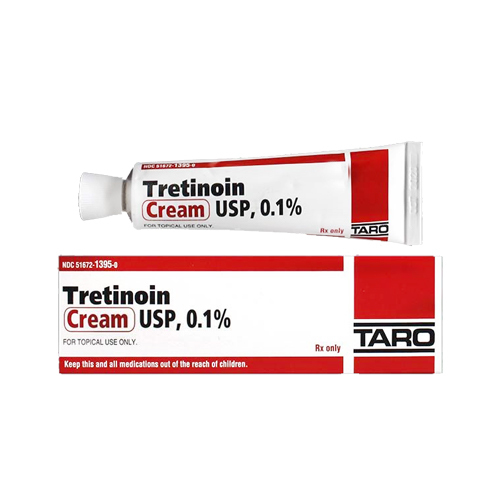
Tretinoin cream is a prescription-strength medication that is used to treat acne, reduce the appearance of fine lines and wrinkles, and improve overall skin quality. It works by increasing cell turnover, which helps unclog pores and reduce the probability of acne breakouts.
Additionally, tretinoin cream promotes collagen production, which can help improve skin texture and reduce the appearance of aging traits like deep fine lines and wrinkles.
One of the key benefits of tretinoin cream is its potency. Because it is a prescription medication, it is formulated at a higher strength than over-the-counter skincare products. This means that it is generally more effective at treating acne and reducing the appearance of fine lines and wrinkles.
It's important to understand that each circumstance is different and you should visit a licensed dermatologist to determine your need for a tretinoin prescription.
However, tretinoin cream is also associated with more severe side effects than retinol. Common side effects include dryness, peeling, and redness. These side effects can be particularly severe during the first few weeks of use, but tend to subside over time. If you have sensitive skin patch test and also make sure to moisturize well.
Retinol: What It Is and How It Works
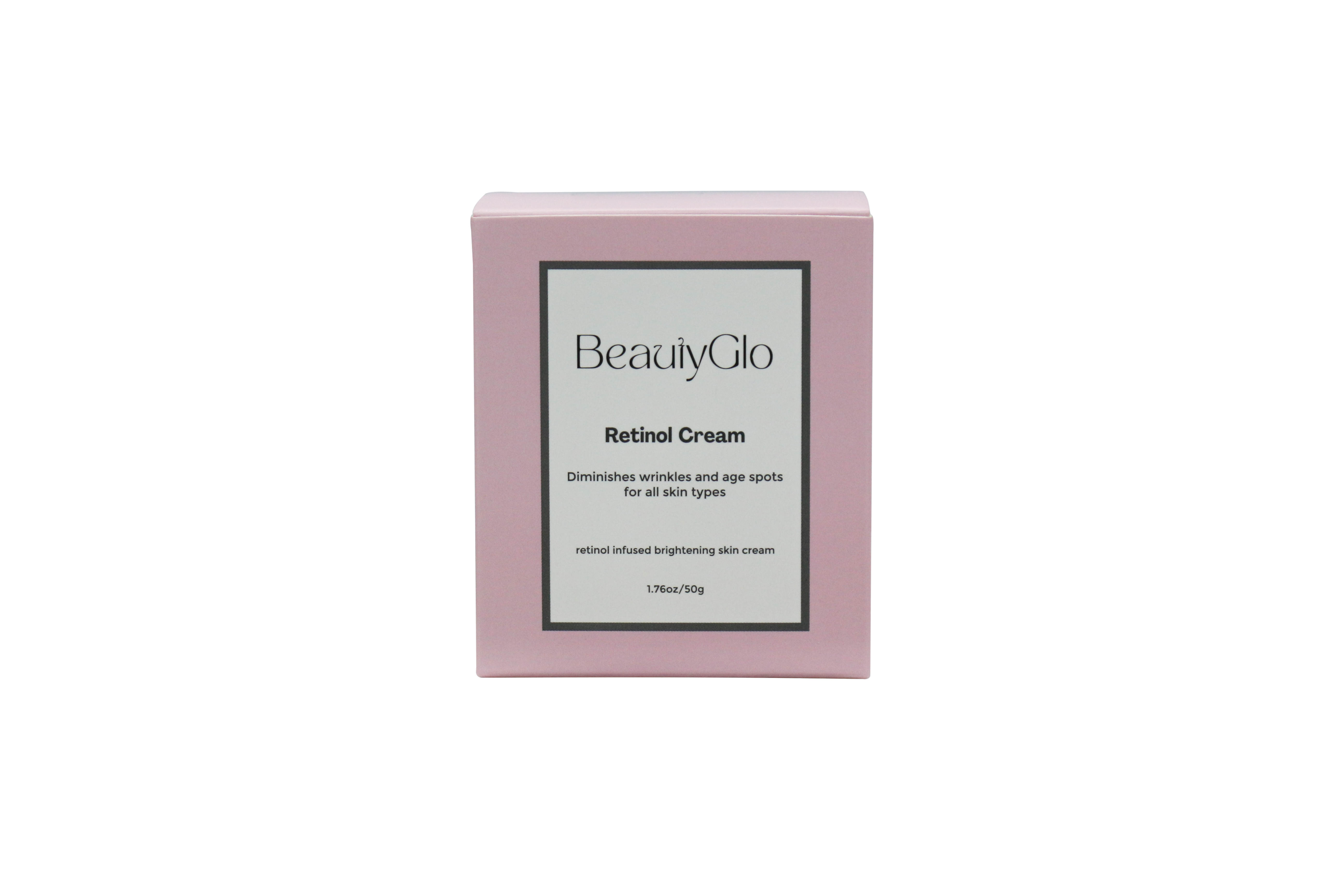
Retinol is a derivative of Vitamin A that is commonly found in over-the-counter skincare products. Similar to tretinoin cream, it works by increasing cell turnover and promoting collagen production. However, because it is formulated at a lower strength than tretinoin cream, its effects may be less pronounced but also generally acceptable for most cases.
Despite its lower potency, retinol is still an effective anti-aging ingredient. It can help improve skin texture and reduce fine lines and wrinkles over time. Additionally, because it is available over the counter, it is generally more accessible and affordable than tretinoin cream.
However, retinol is also associated with similar side effects, particularly during the first few weeks of use. These side effects may include dryness, peeling, and redness, although they are not as extreme as those associated with tretinoin cream.
Differences between Tretinoin Cream and Retinol
Now that we've looked at the similarities between tretinoin cream and retinol, let's discuss the differences. As briefly mentioned, these two compounds differ in their potency, efficacy, side effects, and cost.
They both produce anti-aging benefits and smoother skin by treating an uneven skin tone. Also, both can be added to a regular skincare routine.
Potency
One of the key differences between tretinoin and retinol cream is their potency. Tretinoin cream is a prescription-strength medication, while retinol is available over-the-counter. This means that tretinoin cream is formulated at a higher strength than retinol, which can make it more effective at treating acne and reducing the appearance of fine lines and wrinkles. It's not always recommended to use a more severe ingredient, because it could affect your skin more harshly.
However, because tretinoin cream is a prescription medication, it can only be obtained through a licensed healthcare provider. This makes it more difficult and also expensive to obtain, unlike retinol.
Effectiveness
Another key difference between tretinoin cream and retinol is its effectiveness. While both compounds help improve skin texture and reduce the appearance of fine lines and wrinkles, tretinoin cream is generally considered to be the more effective option.
This is due in part to its higher potency, but also because it has been extensively studied and proven to be effective in clinical trials. Retinol, on the other hand, may vary depending on the concentration and formulation of the product. As you probably have noticed there are many retinoids out there.
Side Effects
Both tretinoin cream and retinol are associated with side effects, particularly during the first few weeks of use. These side effects may include dryness, peeling, and redness, as mentioned above because of potency they are generally less severe with retinol than with tretinoin. Most of these can be treated with the proper use of moisturizer and some off days between use.
However, tretinoin cream is associated with more severe side effects, including skin irritation, burning, and itching. These side effects can be particularly problematic for individuals with sensitive skin or those who are using tretinoin for the first time. The reason retinol is a good option to try first and get your skin acquainted with vitamin A derivatives.
Cost
Finally, there is a significant cost difference between tretinoin cream and retinol. Because tretinoin cream is a prescription medication, it will be more expensive than most retinol.
However, the cost of tretinoin cream may be partially offset by the fact that it is generally more effective than retinol. Additionally, some health insurance plans may cover the cost of tretinoin cream.
Summary
In conclusion, tretinoin cream and retinol are both effective skincare compounds that can help improve skin texture and reduce the appearance of fine lines and wrinkles. However, there are some key differences between the two that are important to understand when deciding which one to use.
Tretinoin
Tretinoin cream is a prescription medication that is generally formulated at a higher strength than retinol. It is more effective at treating acne and reducing the appearance of fine lines and wrinkles, but it can also be associated with more severe side effects.
Retinol
Retinol, on the other hand, is available over the counter and is generally less potent than tretinoin cream. While it can still be effective at improving skin texture and reducing the appearance of fine lines and wrinkles, its efficacy may vary depending on the concentration and formulation of the product.
A retinol product is a great idea to add to any skincare routine. Because it isn't as strong it usually won't create any further problems compared to tretinoin products. Start by using retinol and if results don't improve it could be time to consult with your health provider to ensure healthy skin.
Ultimately, the decision of whether to use tretinoin vs retinol will depend on individual factors such as skin type, the severity of the skin condition being treated, and personal preferences. Now that you understand the similarities and differences between these two compounds, you can make informed decisions about which one is right.