

Skincare Products and Refrigeration?
Skincare lovers are always on the hunt for ways to maximize their routines, and refrigerating skincare products has become a popular trend. But does chilling your skincare truly offer benefits, and which products are worth refrigerating?
Below, we’ll discuss the science and practicality of refrigeration for skincare, detailing which items thrive in cooler temperatures and which should stay on your vanity. Remember we always look at the pros and cons of each decision.
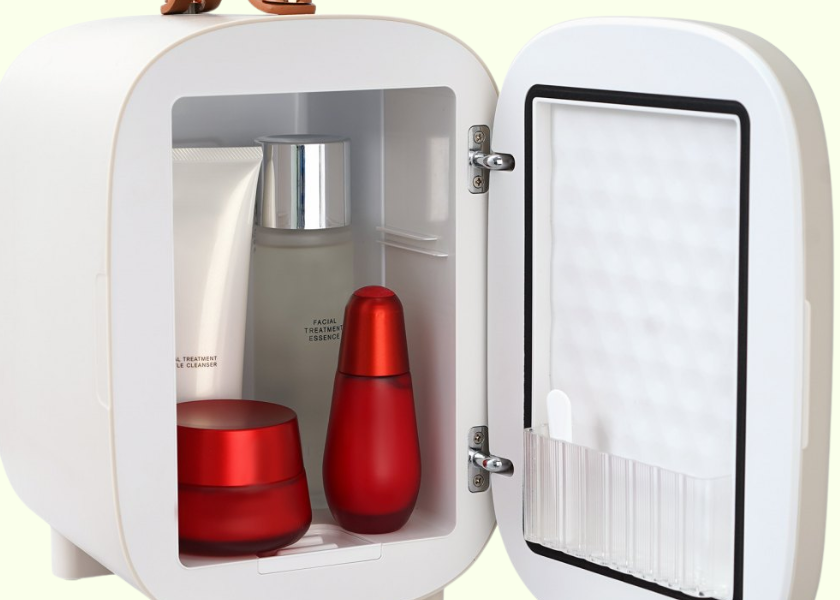
Benefits of Refrigerating Skincare Products
Refrigerating skincare isn’t just a gimmick or fad; it can offer tangible benefits:
-
Prolonged Shelf Life: Cool temperatures slow down the degradation of active ingredients, ensuring your products stay potent for longer.
-
Enhanced Efficacy: Cooling certain products can amplify their soothing and calming effects, particularly for irritated or inflamed skin.
-
Refreshingly Soothing: The sensation of cool skincare on the skin can reduce puffiness and redness, especially when applied first thing in the morning.
-
Bacteria Prevention: Natural or preservative-free products are more prone to bacterial growth at room temperature, making refrigeration a practical choice.
Skincare Products That Should Be Refrigerated
Not every product benefits from cooler storage, but the following items are prime candidates for your skincare fridge:
Vitamin C Serums
Vitamin C is a powerful antioxidant that combats free radicals and brightens the skin. However, it’s notoriously unstable and prone to oxidation when exposed to light, heat, or air. Refrigeration helps maintain its potency by slowing down the oxidation process, ensuring you get the most out of your serum. Look for serums in opaque or amber bottles for added protection, and store them in the fridge for optimal results.
Eye Creams and Gels
The delicate skin around the eyes is prone to puffiness and dark circles. Cooling eye creams and gels in the refrigerator enhances their ability to de-puff and soothe the under-eye area by causing vasoconstriction of blood vessels, which helps reduce puffiness and dark circles. Products with ingredients like caffeine, peptides, or hyaluronic acid are particularly effective when chilled, providing an instant wake-up call for tired eyes.
Face Mists and Toners
Face mists and toners are often used to refresh the skin throughout the day. When stored in the fridge, they provide a burst of cooling hydration, making them especially useful during hot weather or after exercise. Chilled mists can also calm irritated or sensitive skin, offering immediate relief.
Sheet Masks
Refrigerating sheet masks enhances their cooling and soothing properties, making them perfect for reducing redness and inflammation. Applying a chilled sheet mask after sun exposure or a long day can improve skin tone by reducing redness and enhancing radiance, transforming your skincare routine into a spa-like experience.
Natural and Organic Products
Preservative-free products are more susceptible to bacterial growth, especially when exposed to warm, humid conditions. Storing these items in the fridge keeps them fresh and safe to use. This is particularly important for DIY skincare products or those with ingredients like aloe vera, fresh fruits, or essential oils.
Gel-Based Moisturizers and Masks
Gel-based products, like lightweight moisturizers and overnight masks, benefit greatly from refrigeration. Cooling these products enhances their soothing properties, making them ideal for calming sunburns, irritation, or inflammation.
Acne Spot Treatments
Acne treatments often contain active ingredients like benzoyl peroxide or salicylic acid, which can benefit from refrigeration. Chilling these products not only helps preserve their efficacy but also provides a soothing sensation when applied to inflamed or irritated skin.

Skincare Products That Should Not Be Refrigerated
While many products benefit from being stored in a skin care fridge, others do not. Storing certain items in cold temperatures can compromise their texture or effectiveness:
Oil-Based Products
Oils and oil-based serums can thicken or solidify in the fridge, making them difficult to apply. These products are stable at room temperature and do not require refrigeration.
Clay Masks
Clay-based products can dry out or become too stiff when refrigerated, making them harder to spread evenly on the skin. It’s best to keep these masks in a cool, dry place away from direct sunlight.
SPF Products
Sunscreens and SPF-infused products are designed to remain stable at room temperature. Storing them in the fridge can affect the consistency and potentially compromise their protective properties.
Powder Products
Powdered products, such as setting powders or powdered masks, gain no benefit from refrigeration. These items are best stored in a dry, room-temperature environment.
How Refrigeration Affects Skincare Formulas
Refrigeration can be a double-edged sword when it comes to skincare formulas. On the positive side, cold temperatures can significantly slow down the degradation of active ingredients like vitamin C, extending the shelf life of your favorite skincare products. This is particularly beneficial for products that are prone to oxidation or bacterial growth.
For instance, eye creams and serums with water-based ingredients can become more effective when chilled. The cool temperature helps reduce puffiness and dark circles, providing a refreshing sensation that can make your morning routine more invigorating. However, not all products fare well in the cold. Items containing oils or emulsifiers may become unstable or separate when refrigerated, affecting their texture and potency.
It’s also crucial to consider the impact of refrigeration on your skin’s natural barrier function. Board-certified dermatologists often recommend storing skincare products at room temperature, away from direct sunlight, to maintain the skin’s natural barrier and prevent potential irritation. Therefore, while refrigeration can offer benefits, it’s essential to know which products will thrive in cooler temperatures and which will not.
Choosing the Right Skincare Fridge
Selecting the perfect skincare fridge involves more than just picking the first mini-fridge you see. Start by considering the size of the fridge and the number of products you plan to store. A compact fridge might be ideal for a minimalist skincare routine, while a larger unit could be necessary for a more extensive collection.
Next, focus on the temperature range. A good skincare fridge should maintain a consistent temperature between 40-60°F (4-15°C), which is optimal for most skincare products. Some fridges come with adjustable temperature controls, allowing you to customize the settings based on the specific needs of your products.
Design and features are also important. A fridge with a glass door or transparent design allows you to see your products without opening the door, maintaining a stable internal temperature. Additional features like humidity control or UV protection can further enhance the longevity and effectiveness of your skincare items.
When shopping for a skincare fridge, look for models specifically designed for beauty products. These fridges are typically more compact and maintain a consistent temperature range ideal for skincare. These models are highly rated and come recommended by both skincare influencers and professionals.
In summary, while refrigeration can enhance the shelf life and effectiveness of certain skincare products, choosing the right skincare fridge is crucial. By considering factors like size, temperature range, and additional features, you can find a fridge that perfectly complements your skincare routine and helps you achieve your beauty goals.
Tips for Proper Skincare Storage
To get the most out of refrigerated skincare, follow these practical tips:
-
Use a Dedicated Skincare Fridge: A mini skincare fridge is ideal for maintaining a consistent temperature and avoiding contamination from food odors.
-
Temperature Range: Aim for a temperature between 35°F and 45°F. Too cold, and some products might freeze; too warm, and the benefits are diminished.
-
Organize Strategically: Store products upright to prevent leaks. Use compartments to separate different types of products for easy access.
-
Clean Regularly: Wipe down the inside of your fridge weekly to prevent bacteria buildup and ensure a hygienic storage environment.
Common Myths About Refrigerating Skincare
With the rise in popularity of skincare fridges, several misconceptions have emerged. Here are the most common myths debunked:
-
Myth: All Skincare Products Should Be Refrigerated
-
Not all products benefit from refrigeration. Some, like oil-based or powder products, can be negatively affected by cold temperatures.
-
-
Myth: Refrigeration Prevents All Expiration
-
While refrigeration can slow degradation, it doesn’t make products last indefinitely. Always check expiration dates and look for signs of spoilage, such as changes in color or smell.
-
-
Myth: Any Fridge Will Do
-
While a regular fridge can work, it’s not ideal due to fluctuating temperatures and potential cross-contamination with food. A dedicated skincare fridge is more hygienic and consistent.
-
Conclusion
Refrigerating your skincare products can elevate your routine, extending the life of certain items and enhancing their effectiveness. From vitamin C serums to sheet masks, many products benefit from cooler temperatures, offering soothing, refreshing experiences for your skin. However, not all skincare thrives in the fridge, so it’s essential to know which items to store where. It really comes down to your goals and objectives.
Investing in a dedicated skincare fridge can add both luxury and practicality to your regimen. By understanding which products benefit from refrigeration and following proper storage practices, you can maximize the potential of your skincare collection and enjoy a fresher, more effective routine.
FAQ: Skincare Refrigeration
Q: Can I store all natural products in the fridge? A: While most natural products benefit from refrigeration, some oil-based or thick formulations may not require it. Check the product’s packaging for specific storage recommendations.
Q: Is a skincare fridge necessary, or can I use my regular fridge? A: A skincare fridge is not mandatory but offers consistent temperatures and avoids food contamination. If using a regular fridge, designate a specific area for your products.
Q: How long do refrigerated products last compared to those stored at room temperature? A: Refrigeration can extend the shelf life of many products by slowing ingredient degradation. However, always adhere to the manufacturer’s expiration dates for safety.