

When to start using anti-aging products
First of all the most essential part of deciding when to use anti-aging cream or other products is understanding the aging process itself. Anti-aging products should be incorporated into your hopefully steady skincare routine
Understanding the Aging Process
Explaining the Natural Aging of Skin
Aging is a natural and inevitable process that affects all living organisms, including our skin. As we age, our skin undergoes various changes that are primarily a result of genetic predispositions and the passage of time. These changes include the gradual slowing down of collagen and elastin production, two vital proteins that maintain skin's firmness and elasticity.
As you can see nobody is immune to the process. There are however ways to combat the speed at which we age. It's also important to understand what factors lead to premature aging.
Factors Influencing the Rate of Aging
While genetics play a significant role in how our skin ages, environmental and lifestyle factors also exert considerable influence. Exposure to UV rays, pollution, smoking, and an unhealthy diet can accelerate the aging process, so tackle these issues to get ahead.
Conversely, adopting a healthy lifestyle can slow down this process. Make sure to eat nutrient-rich foods and a balanced diet. Treat dry skin with basic moisturizers that suit your skin type. Wearing sunscreen is always an excellent idea.
From a young age, we should be taking care of our bodies and the right skin care. Stay hydrated and get enough sleep each day, that will help your body's natural balance of chemicals.
Common Signs of Aging and Their Causes
The signs of aging are not uniform and often vary from person to person. However, some common signs include:
-
Fine Lines and Wrinkles: Caused by the breakdown of collagen and elastin fibers.
-
Uneven Skin Tone and Texture: Often the result of sun damage and reduced cell turnover.
-
Loss of Skin Elasticity (Sagging Skin): Due to a decrease in collagen and elastin production.
-
Age Spots and Hyperpigmentation: Resulting from UV exposure and accumulated damage.
Daily sunscreen use is recommended. Make sure to consult a board-certified dermatologist to determine what treatments will work for you. Practice good skin care habits consistently and effectively.
Early Prevention vs. Targeted Treatment
The Concept of Proactive Skincare
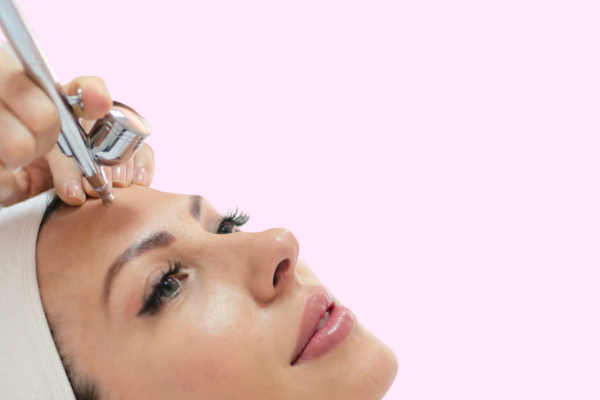
Proactive skincare involves taking preventive measures to delay the onset of visible signs of aging. This approach, for our topic, aims to maintain healthy and youthful skin for as long as possible. As mentioned, preventive measures include protecting your skin from UV radiation, staying hydrated, eating a balanced diet, and using appropriate skincare products.
Benefits of Early Prevention
Starting an anti-aging routine early has several benefits, including:
-
Slower Onset of Aging Signs: Early prevention can delay the appearance of wrinkles, fine lines, and age spots.
-
Smoother Skin Texture: Proactive skincare can keep your skin looking smooth, youthful, and clear.
-
Long-Term Benefits: Establishing good skincare habits early can pay off in the long run by minimizing the effects of natural aging.
Recognizing When Targeted Treatment Becomes Necessary
While prevention is essential, there may come a point where targeted treatment becomes necessary. This usually happens when you start noticing specific signs of aging that require more specialized care.
Factors to Consider
Age as a Factor in Starting Anti-Aging Products
Age can be a useful guideline for when to start using anti-aging products, but it's not a one-size-fits-all answer. In general, most skincare experts suggest incorporating anti-aging products into your routine in your late twenties to early thirties. However, some individuals may need to start earlier, while others can delay using them until their forties.
Personally, around 25 I think would be a good time to start using these types of products. They are a huge benefit to your skin regardless of age and help to delay the things we are trying to prevent anyway.
Skin Type and Individual Differences
Skin type plays a significant role in determining when to start using anti-aging products. People with dry or sensitive skin may benefit from starting earlier, as their skin tends to show signs of aging sooner. In contrast, those with oily or combination skin may have a slightly later start. If you have oily skin it's important to get your pH level balanced so you don't breakout and cause damage.
Lifestyle and Environmental Factors
Choices like smoking, heavy alcohol consumption, and a poor diet could accelerate the aging process. If you engage in these habits, it's helpful to start your anti-aging routine earlier. Additionally, living in urban areas with higher pollution levels may necessitate earlier skincare intervention. If you're constantly in the sun or in a warmer climate, be on the lookout for premature signs.
Family History and Genetic Predispositions
If your family has a history of premature aging or specific skin concerns, you may want to start using anti-aging products earlier as a preventive measure. Genetics can significantly impact your skin's aging process, so understanding your family history is valuable. Genetics are the one thing that we can't change so make sure to pay attention to not only that but controlling the other factors listed above.
Signs It's Time to Start
The Emergence of Fine Lines and Wrinkles
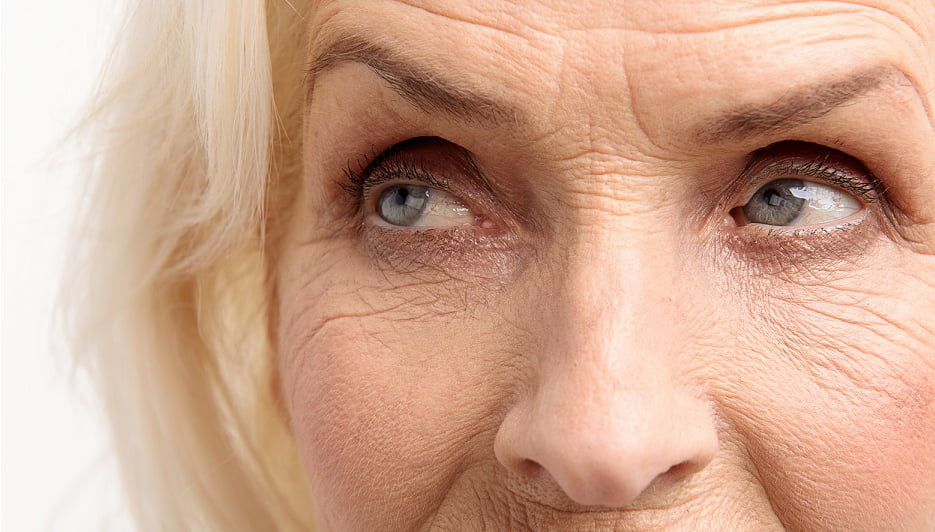
One of the most common reasons people start using anti-aging products is the appearance of fine lines and wrinkles. These can be subtle at first, but they tend to become more noticeable with time.
Uneven Skin Tone and Texture
Uneven skin tone and texture, often characterized by roughness, dullness, or the presence of age spots, can be indicators that your skin needs targeted treatment.
Loss of Skin Elasticity
When your skin starts to lose its firmness and elasticity, known as loose, it may be time to consider anti-aging products that can help restore these qualities. This is very hard to correct so that's why it is wise to be early to treat.
Other Specific Skin Concerns
Other concerns, such as dark circles under the eyes, puffy eyes, or enlarged pores, may also warrant the use of specialized anti-aging products.
It is important to remember that it is much harder to correct a problem than it is to prevent it. That's why I stress taking care of your skin at a young age. It is a compounding process of good habits.
Choosing the Right Products
Understanding Different Types of Anti-Aging Products
Anti-aging products come in various forms, including serums, creams, lotions, and masks. While they also might seem the same, they serve to treat specific needs. Determine which is suitable for your skin type.
Ingredients to Look for and Avoid
When selecting anti-aging products, pay attention to the ingredients. Look for ingredients like retinoids, hyaluronic acid, peptides, antioxidants (e.g., vitamin C), and sunscreen (for daytime products).
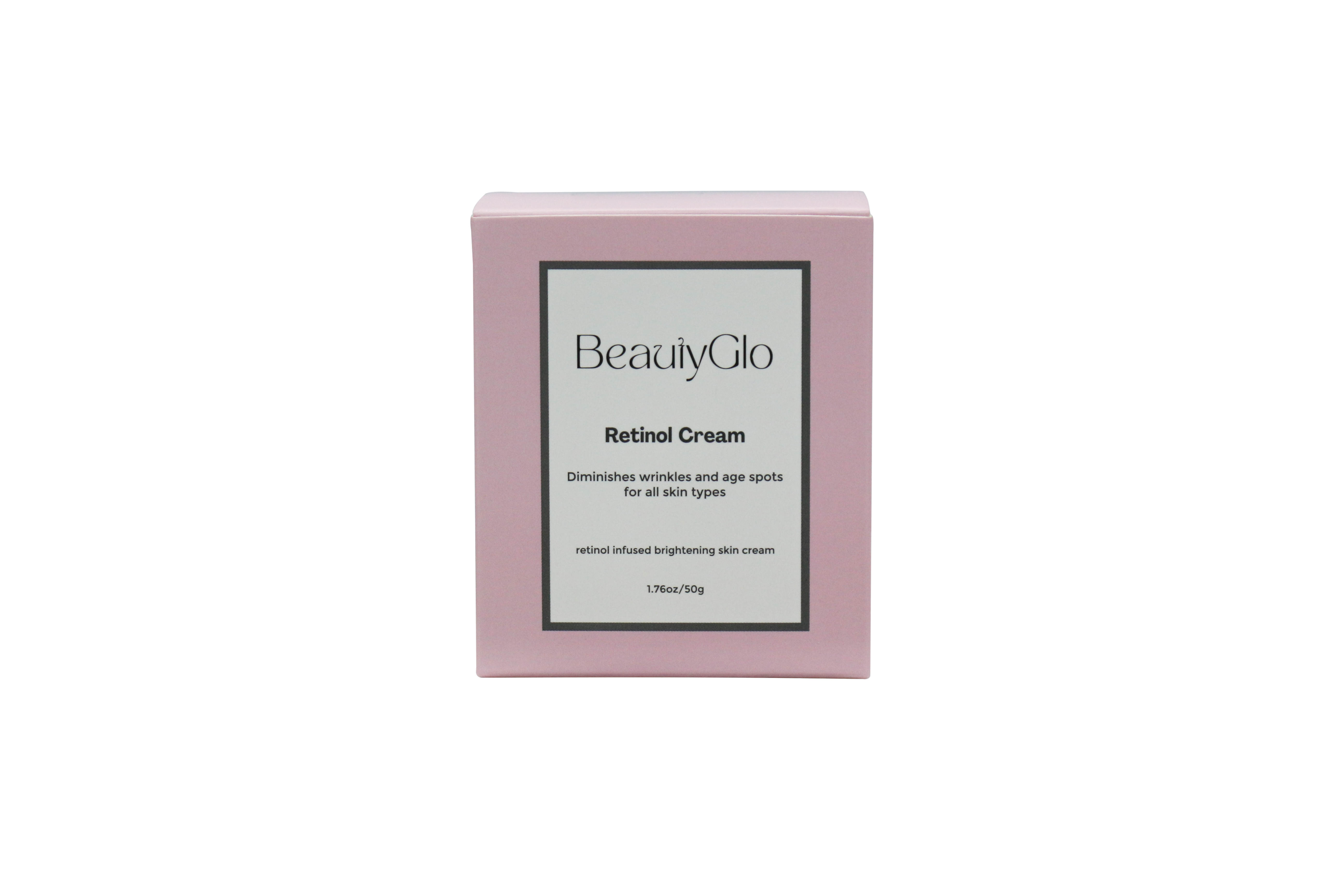
Avoid products with harsh chemicals, or ingredients your skin may be sensitive to.
Consulting with a Dermatologist or Skincare Professional
If you're unsure about which products are right for you or if you have specific skin concerns, consider consulting a dermatologist or skincare professional. They can provide personalized recommendations based on your skin type, age, and concerns.
Developing a Personalized Skincare Routine
The Importance of a Consistent Routine
Consistency as we all know by now is key when it comes to anti-aging skincare. Establish a regular routine and stick with it for a while to see desired results. This ensures that your skin receives continuous care, which can lead to better results over time.
Layering Products Effectively
Learn how to layer your skincare products effectively. Generally, lightweight products should be applied before heavier ones. Always add sunscreen to the final step in your morning routine.
Tips for Daytime and Nighttime Skincare
Your daytime and nighttime skincare routines can differ in terms of product selection. In the morning, prioritize sunscreen and antioxidants for protection against environmental damage. At night, focus on products that aid in skin repair and regeneration. As a rule of thumb, the more intense ingredients will be used at nighttime.
Lifestyle Habits for Youthful Skin
The Role of Diet and Hydration
A healthy diet rich in antioxidants, vitamins, and minerals can benefit your skin. Staying well-hydrated also helps maintain skin elasticity and overall health.
Sun Protection and Its Anti-Aging Benefits
Sunscreen is one of the most crucial components of any anti-aging routine. Protecting your skin from UV radiation prevents premature aging and reduces the risk of skin cancer.
Stress Management and Quality Sleep
Chronic stress can lead to various skin issues, including acne and premature aging. You can practice various ways to manage stress and prioritizing quality sleep to support your skin's health. As you age you will be able to tell the effects of lack of quality sleep more. When your skin starts to thin, issues become more noticeable
Beyond Skincare: Other Anti-Aging Strategies
Exercise and Its Impact on Skin Health
Participating in regular physical activity will improve blood circulation, which may contribute to healthier-looking skin. Exercise also helps reduce stress, which is beneficial for anti-aging efforts. Not only that but regular exercise has a great influence on your organs which will show qualities in your appearance.
The Significance of Staying Hydrated
Proper hydration is essential for skin health. Drinking enough water helps maintain skin moisture and plumpness. After all our bodies consist mainly of water.
Avoiding Harmful Habits Like Smoking and Excessive Alcohol Consumption
Smoking and excessive alcohol consumption can accelerate the aging process and harm your skin's appearance. Quitting these habits or reducing their frequency will have positive effects on your skin. As mentioned above keeping tabs on your environment can incrementally help.
Recapping
In your journey for youthful and healthy skin, timing is a crucial part of introducing anti-aging products into your skincare routine. While there's no one-size-fits-all answer, understanding the aging process, recognizing signs of aging, and considering individual factors will guide your decisions. Ultimately, you will have to take a proactive approach to skincare, adopting a healthy lifestyle, and seeking professional guidance when needed. These holistic choices will help you maintain a radiant and youthful complexion for years to come. So, when it comes to anti-aging, remember that it's never too early to start, and it's never too late to begin your journey toward timeless beauty.